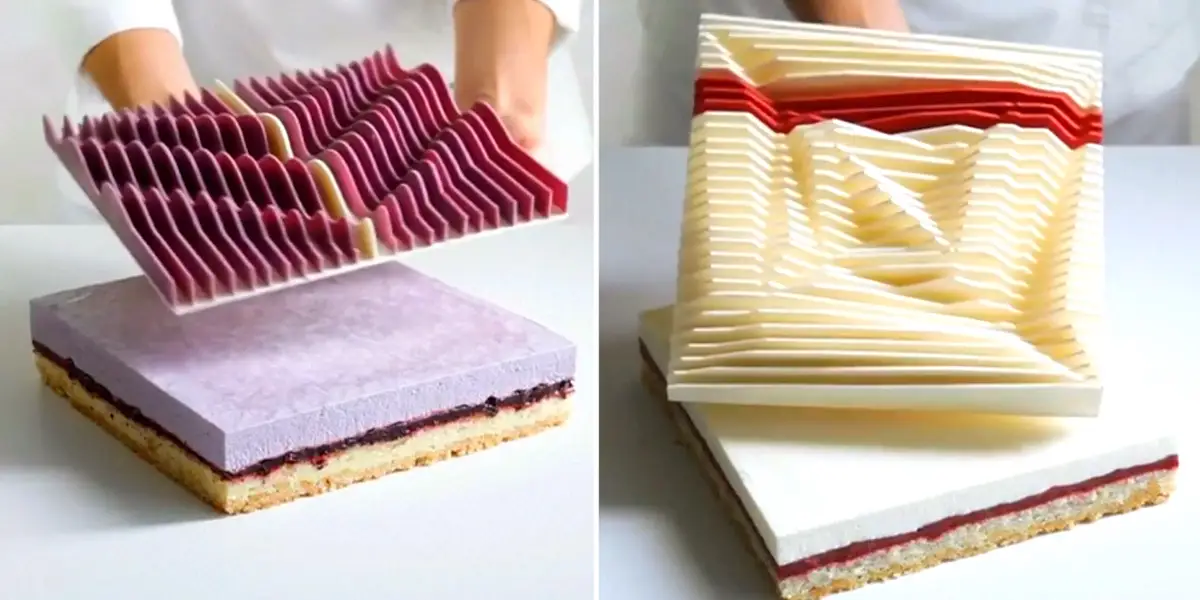
Desserts have always been more than just a sweet end to a meal — they’re an art form, a cultural expression, and increasingly, a technological marvel. From 3D-printed pastries to molecular gastronomy, technology is reshaping the way we think about dessert creation and presentation. As chefs and innovators blur the boundaries between science and art, the modern dessert has become a playground for experimentation, precision, and creativity.
Welcome to the future of dessert design, where texture, temperature, and technology blend seamlessly to redefine indulgence.
The Rise of High-Tech Desserts
Gone are the days when dessert was simply a slice of cake or a scoop of ice cream. Today, kitchens around the world are buzzing with gadgets that look more like laboratory tools than culinary instruments. Sous-vide machines, edible inks, and 3D food printers are just a few examples of how technology is transforming dessert design into a multisensory experience.

In fine dining restaurants, chefs use liquid nitrogen to create dramatic, smoky effects that both chill and enchant. Meanwhile, patisseries are embracing digital tools to perfect consistency and precision — ensuring that each macaron, mousse, or tart is a flawless replica of the chef’s original vision. Even home bakers are catching on, adopting professional-grade tools that allow them to recreate restaurant-quality confections from their own kitchens.
The Science Behind Sweet Innovation
Behind every beautifully plated dessert lies a fascinating world of chemistry and physics. Understanding how ingredients behave under different conditions allows chefs to manipulate textures, flavors, and appearances in ways that would have seemed impossible a generation ago.
Molecular gastronomy, for instance, has introduced techniques like spherification and gelification — turning liquids into delicate pearls or transparent gels. These techniques allow for visually stunning creations that challenge expectations. Imagine biting into what looks like a fruit sphere, only to have it burst into a flavorful explosion on your tongue.
Even something as classic as whipped cream has been elevated through modern science. Today’s chefs rely on whipped cream chargers to achieve perfectly aerated textures with consistency and efficiency. These chargers use pressurized nitrous oxide to infuse cream with air, creating a silky, stable whip that enhances both flavor and presentation. What was once a simple topping has now become an essential component of avant-garde dessert design.
3D Printing: Customization in Every Bite
One of the most exciting innovations in dessert technology is the rise of 3D food printing. With this technology, chefs can design intricate shapes, patterns, and textures that would be impossible to achieve by hand. Imagine a chocolate lattice with microscopic precision or a personalized dessert sculpture crafted specifically for a special event.
3D food printers work by layering edible materials — such as chocolate, sugar paste, or dough — to create complex structures. The designs can be programmed digitally, offering limitless customization. For event planners, restaurants, and pastry chefs, this means the ability to deliver one-of-a-kind creations that align with a client’s theme, logo, or even personal aesthetic.
This level of personalization reflects a growing consumer trend: people don’t just want desserts that taste amazing — they want experiences that are unique, memorable, and Instagram-worthy. Technology is making that possible in ways we’ve only begun to explore.
Sustainability and the Digital Kitchen
As much as technology enhances creativity and precision, it also has a critical role to play in sustainability. The future of dessert design isn’t just about creating beautiful treats — it’s about doing so responsibly.
Digital monitoring tools and smart appliances help minimize waste by tracking ingredient usage and optimizing production. For example, 3D printers ensure that every gram of chocolate or sugar is used efficiently, while modern refrigeration systems maintain ideal conditions to extend the shelf life of ingredients.
There’s also a growing movement toward plant-based and alternative desserts — not only to meet dietary preferences but also to reduce environmental impact. Vegan gelatos, aquafaba-based meringues, and oat milk mousses are becoming staples of modern menus, proving that innovation and sustainability can coexist deliciously.
The Aesthetic Edge: Digital Design and Presentation
Visual presentation has always been a defining feature of great desserts, but digital tools have taken it to a whole new level. Through augmented reality (AR) and projection mapping, some high-end restaurants are creating immersive dining experiences where the dessert interacts with its environment. Imagine a dessert that glows under specific lighting or one that appears to come alive with animations projected onto the plate.
Social media has also become a driving force in dessert innovation. Chefs now think visually first — designing confections that look stunning on camera. Technology has allowed for the creation of hyper-realistic textures, glossy finishes, and colorful effects that photograph beautifully, satisfying both the palate and the digital audience.
Even in home kitchens, tools like digital scales and design apps help bakers plan and perfect their creations down to the finest detail. This digital aesthetic revolution ensures that desserts not only taste delightful but also look like edible works of art.
Conclusion
As technology continues to evolve, the boundaries between culinary art and scientific innovation will only grow thinner. The dessert world is at the forefront of this transformation, combining creativity, precision, and technology to deliver experiences that surprise and delight.
From whipped cream chargers to 3D printers and molecular techniques, each new tool offers a way to reimagine how sweetness, texture, and design come together. The result is not just a dessert — it’s a moment of wonder, a sensory story that engages both the mind and the taste buds.