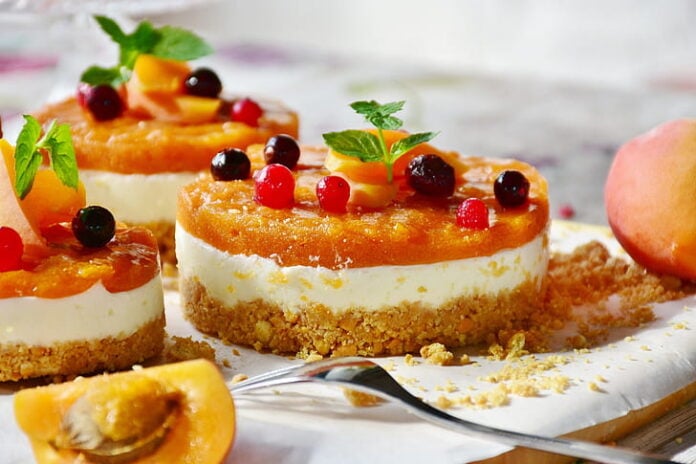
Desserts have always been more than a sweet ending — they reflect culture, craftsmanship, and creativity. But today, thanks to rapid technological innovation, desserts are entering a new era where precision tools, digital design, and culinary science are reshaping everything from textures to presentation. The result? A dessert landscape that is more imaginative, interactive, and boundary-breaking than ever before.

Why Dessert Innovation Matters Today
Across professional kitchens, boutique patisseries, and even home bakeries, technology is giving creators the ability to achieve consistency, improve efficiency, and push creative limits. What was once only possible in Michelin-starred restaurants is now accessible to skilled home bakers — and even curious beginners.
This shift is not just about aesthetics. Modern dessert tools help reduce waste, improve sustainability, and make advanced techniques approachable, which is why the next decade of dessert design is set to look—and taste—very different.

Understanding the Tools Behind Modern Dessert Design
1. Precision and Science in Every Bite
Culinary science is the backbone of modern dessert innovation. A deeper understanding of how fats, sugars, proteins, and gases behave under heat, pressure, or aeration has opened the door to new textures and sensory experiences.
Techniques once reserved for molecular gastronomy — such as spherification, freeze-drying, or rapid-infusion — are now becoming part of everyday dessert development. These methods allow chefs to build layers of flavour and texture that were nearly impossible a generation ago.
A popular example is the evolution of whipped cream. Instead of traditional hand beating, many kitchens now rely on cream dispensers powered by nitrous oxide. For readers who have ever wondered what are nangs, they are small steel chargers filled with food-grade N2O used to aerate cream quickly and consistently. Their reliability and efficiency have made them an essential tool in both commercial and home dessert preparation.
In places like Australia, the growth of nangs delivery melbourne services has made quality cream chargers accessible within minutes — supporting both professional kitchens and late-night home bakers experimenting with modern dessert techniques.
2. The Rise of 3D Food Printing
One of the most transformative changes in the dessert world is the adoption of 3D printing. Pastry chefs can now design intricate shapes on a computer — from geometric chocolate lattices to personalised sugar sculptures — and print them with perfect precision.
3D printers enable:

- Custom designs for weddings, corporate branding, or luxury events
- Waste-reduced production
- Repeatable high-precision decoration
- Experimentation with edible materials like chocolate, sugar, or purées
For consumers, this means desserts can now be tailored to themes, personal stories, or even brand identities, bridging culinary art with digital creativity.
3. High-Tech Kitchens for Smarter Creation
Modern appliances have elevated the home kitchen into a miniature professional lab. Dessert creators now rely on tools such as:
- Sous-vide machines for temperature-stable custards
- Blast freezers for ultra-smooth ice creams
- Digital thermometers for sugar-stage accuracy
- N2O dispensers for aerated foams
- Dehydrators for fruit crisps or meringue textures
These tools help achieve consistency, reduce human error, and allow cooks to explore new textures that were traditionally difficult to master.
Sustainability in the Digital Dessert Era
Innovation isn’t only about creativity — it’s also a response to the global push toward sustainability.
Smart Tools Reduce Waste
Technologies such as digital inventory systems or production-tracking software help commercial kitchens use ingredients more efficiently. 3D printers reduce leftover chocolate or sugar by depositing only what’s needed.
Plant-Based and Low-Impact Desserts
The modern dessert scene has embraced alternatives such as:
- Oat and soy-based creams
- Aquafaba meringues
- Vegan chocolate ganaches
- Fruit-based stabilisers
These innovations cater to dietary needs while lowering environmental impact, proving that sustainability and indulgence can coexist.
Digital Aesthetics: When Desserts Become Visual Experiences
The visual power of desserts has never been more important. Social media platforms have pushed pastry chefs to think about how their creations look under lighting, on camera, and even in motion.
Immersive Presentation
Restaurants are experimenting with:
- Augmented reality menus
- Projection mapping onto plates
- Interactive plating that responds to movement
The dessert becomes part of a larger storytelling experience, merging culinary artistry with digital design.
Home Bakers Get an Upgrade
Even home creators now use:
- Recipe-design apps
- Digital scales with memory functions
- Temperature-controlled mixing tools
- Online flavour-pairing databases
These tools democratise dessert innovation, enabling anyone to produce Instagram-ready treats with professional finesse.
Conclusion: A New Era of Edible Art
As technology evolves, desserts will continue to shift from simple confections to multi-sensory experiences. Whether it’s the precision of a 3D printer, the chemistry behind molecular gastronomy, or the convenience of tools like whipped cream chargers, each innovation helps unlock new levels of creativity.
For professionals and hobbyists alike, the future of dessert design is a blend of science, digital artistry, and modern tools — creating edible moments that surprise, delight, and inspire.
Dessert is no longer just the finale of a meal.
It’s becoming the highlight — a fusion of imagination, technique, and technology that reflects where modern food culture is heading next.