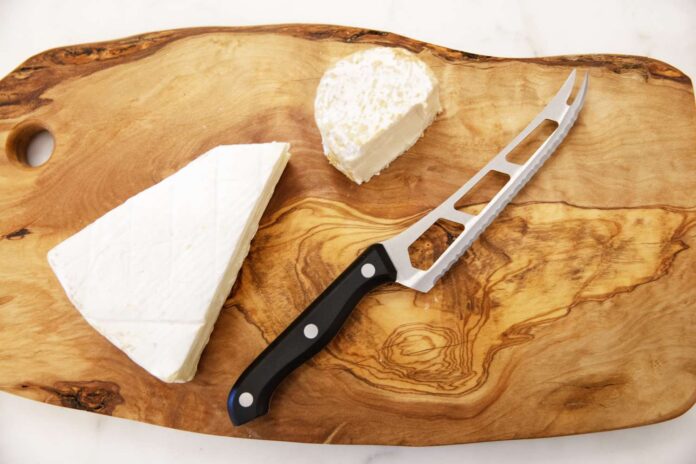
If you love cheese, then you need to know about the right tools. Professional cheese knives significantly affect how cheese is prepared and how it looks on a platter. By utilizing and maintaining the necessary equipment, musicians can preserve, if not extend, the useful life of their specialized utensils. By employing best practices to keep the cheese in optimal condition and ensuring that each portion is as attractive as possible, chefs can enhance the overall presentation.
Understanding Cheese Knife Types
Professional kitchens and home users can explore premium cheese knives for sale, crafted for precision and performance. There are many shapes of professional cheese knives, each ideal for different textures. Generally, soft cheese knives have holes to prevent the cheese from sticking. Blades on hard-cheese knives are thicker and sharper, enabling them to cut through dense cheeses with ease. However, spreader knives are perfect for all creamy options. Understanding which knife to use for each main type improves ease of cutting and serving.
Choosing a Knife for Each Cheese
A cheese board requires a few knives if you are serving different types of cheese. To prevent flavors from mixing, use the proper blade. Wire cutters provide clean cuts for crumbly materials. For cutting firm cheeses, you will need a mélange of heavier, pointed blades for cutting houses. A soft cheese is a paper spreader, which makes it easy and clean to spread onto a cracker. This feature enhances the taste experience and ensures the cheese is perfectly crafted.

Safe Handling Techniques
Keep accident risk low and handle a cheese knife properly. Always ensure a good grip on the handle and keep your fingers away from the blade. For slicing, you need a stable surface. Don’t yank the knife; just slide it through the cheese. For tougher cheeses, use light to moderate pressure. Proper handling guarantees clean cuts and prevents accidental injuries.
Effective Cutting Methods
Now I will explain each cheese: A soft cheese requires a soft rocking motion; a harder cheese requires firm downward pressure. Never use a back-and-forth motion when cutting firm cheeses. With wedge-shaped areas, build out from the center. It keeps the cheese intact and ensures slices are uniform in size for serving.
Wipe Down Your Cheese Knives After Every Use
This is because cheese residue can dull blades and also act as a bacterial trap. Always rinse knives with warm water immediately after use to remove any leftover food particles. You can use gentle dish soap and a soft sponge if needed. Do not scrub with anything that could scratch the blade; you risk damaging its surface. Utensil cleaning ensures utensils are sanitized and helps retain their sharpness and polish.

Drying and Storing Properly
Such moisture can cause rust and other damage. Dry each cheese knife well with a clean towel after washing. Locate a specific holder for them or keep them on a magnetic strip. Correct storage prevents the blades from wearing or chipping and helps retain their edges. Do not leave any knives in a wet drawer or sink, as they may corrode over time.
Sharpening for Continued Performance
To maintain efficient cutting, it must be regularly sharpened. Use a sharpening stone or a professional tool to sharpen blades. To maintain the suggested angle, draw the knife across the stone smoothly. Check the sharpness by slicing a piece of cheese. If the blade doesn’t drag through, it’s ready for use. Keeping it regularly sharpened requires less effort and yields neat, appealing slices.
Avoiding Common Mistakes
Most people apply the same knife to many cheeses, which can cause flavor transfer. Always use a separate blade for each type of cheese. Refrain from using cheese knives for other foods, such as meats or vegetables, as this can dull the edge or cause cross-contamination. Never use cheese knives to unpack boxes or open containers. These actions can also ruin the blade and render it ineffective.

Conclusion
Items like these, professional cheese knives, are made for cheese lovers; they make the preparation and consumption of cheese more enjoyable. Selecting an appropriate blade, following usage precautions, and performing maintenance procedures are essential to ensure durability. All common issues that can arise with these techniques—dirty knives, prompt storage issues, unsharpened mesh—are eliminated through cleaning, proper storage, and a high-quality cleaning kit, ensuring optimal performance.