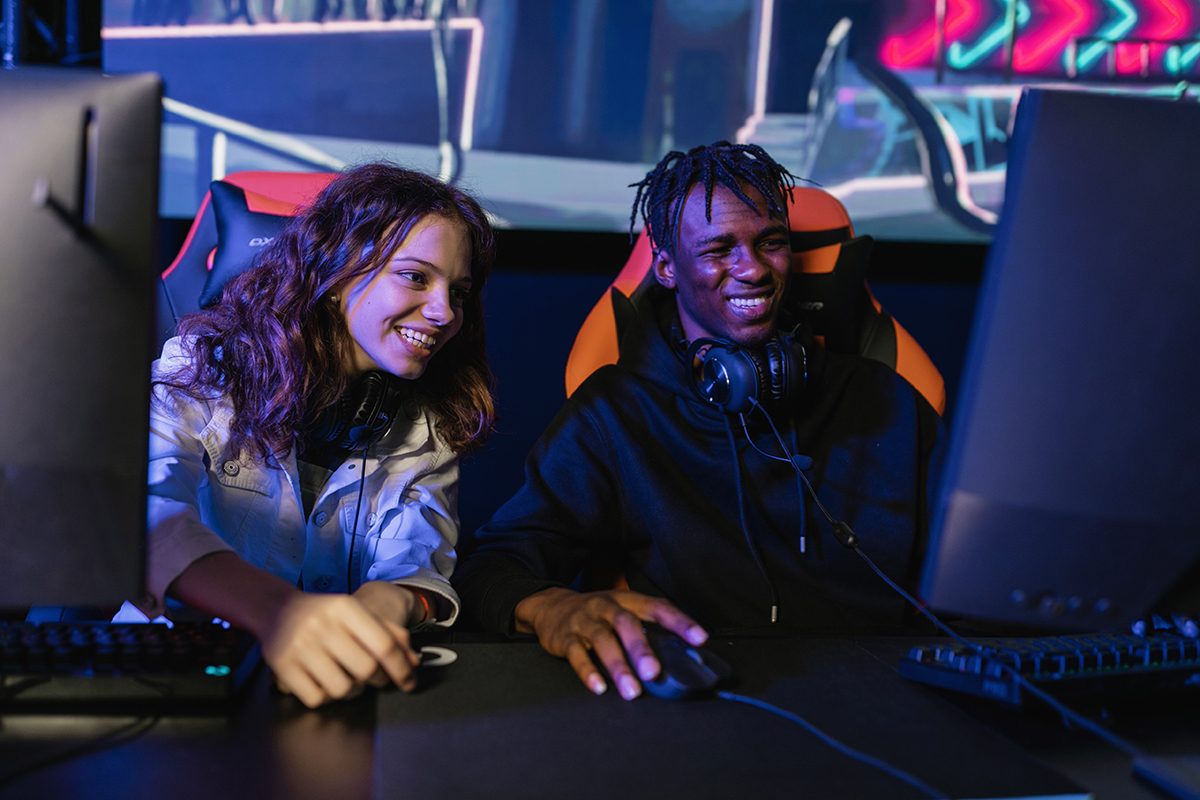
I’ve been observing for a long time how esports affects not just reaction time or aim, but overall thinking. It’s not just about clicking a mouse – it’s about analysis, decision-making, memory, and attention. This is especially clear when watching or playing games like CS2, Valorant, or StarCraft II. These games are an excellent workout for the brain. In my opinion, they’re not only entertaining, but they also develop cognitive skills that are useful in everyday life.
Decision-Making Under Pressure and Attention Control
In esports, every second truly matters. Players are forced to react to changing situations faster than they can consciously process what’s happening. A mistimed move, the wrong angle, or a miscalculated position can cost a round. Watching the professional scene makes it clear: this isn’t just about reflexes – it’s about the ability to maintain focus in a constantly shifting and unpredictable information environment.
This becomes especially evident in CS2 matches: a player has to simultaneously consider the team’s economy, enemy positions, available resources, and the probability of different scenarios. That’s why I find it essential to follow major tournaments – cs2 event – which clearly show how pros handle this pace. Their decisions seem automatic, but that automation is built on years of training attention, reaction speed, and the ability to instantly filter out irrelevant data. To me, this is one of the most impressive examples of cognitive load in gaming.

When you break down these moments, you start noticing how precisely players feel the rhythm of a match. They aren’t just pressing buttons — they’re predicting, calculating, and weighing risks in real time. The ability to think clearly when things spiral out of control is a skill that’s hard to train through traditional means. Esports develops it naturally, through constant micro-decisions and a high tempo that keeps the brain fully engaged at all times.
Math, Strategy, and Memory
Math in esports often goes unnoticed, but it’s absolutely critical. Many people see only shooting or on-screen action, but behind that lies constant calculation. In StarCraft II, a player has to plan out base economy, unit build times, resource management, losses, and potential enemy army composition in advance. Every unit is built with intention, and even a 10-second miscalculation can cost the entire match. This sharpens not only memory but also strategic thinking under time pressure.
In CS2, the math is more subtle but just as important. Players are constantly tracking the team’s economy: how many rounds they can afford without a full buy, who still has an AWP, when the opponent might be on an eco round. When I watch tournaments, I often rely on cs2 live stats – they help reveal how strategies are built around these numbers in real time. It’s a great exercise in holding current data in your head while also anticipating the consequences of each decision, much like a chess player thinking several moves ahead.
This cognitive load makes esports a powerful tool for training memory and logical thinking. A player doesn’t just remember maps or angles – they learn to recognize enemy behavior patterns, buying habits, and situational responses. And all of it happens under pressure and tight time limits. Even the numbers become an essential part of in-game intelligence.
Adaptation and Lifelong Learning
One of the core features of esports is constant change. In games like Fortnite, Dota 2, or League of Legends, stability doesn’t exist in the traditional sense. Developers roll out patches, balance updates, new maps, characters, and mechanics all the time. Players must constantly adjust. Old strategies become outdated in just a few weeks. And that’s where the real value lies: the ability to quickly adapt, learn, experiment, and apply new knowledge without the fear of failure.
I often watch how Fortnite players adjust to each new season. A changed map means they have to relearn terrain. A changed weapon can shift the entire meta. In Dota 2, after every major patch, teams have just days to create new drafts, master reworked heroes, and rethink Roshan timings or map control strategies. But it’s not seen as a setback – it’s part of the process. This kind of mindset builds flexibility and trains an inner readiness for change.
To me, this constant learning is what makes esports so close to real life. In both work and life, success often comes not to those who know the most, but to those who adapt the fastest. The ability to let go of old habits, embrace the new, and move forward in rapidly changing conditions – that’s what truly builds resilience and progress.
Emotional Resilience and Team Synchronization
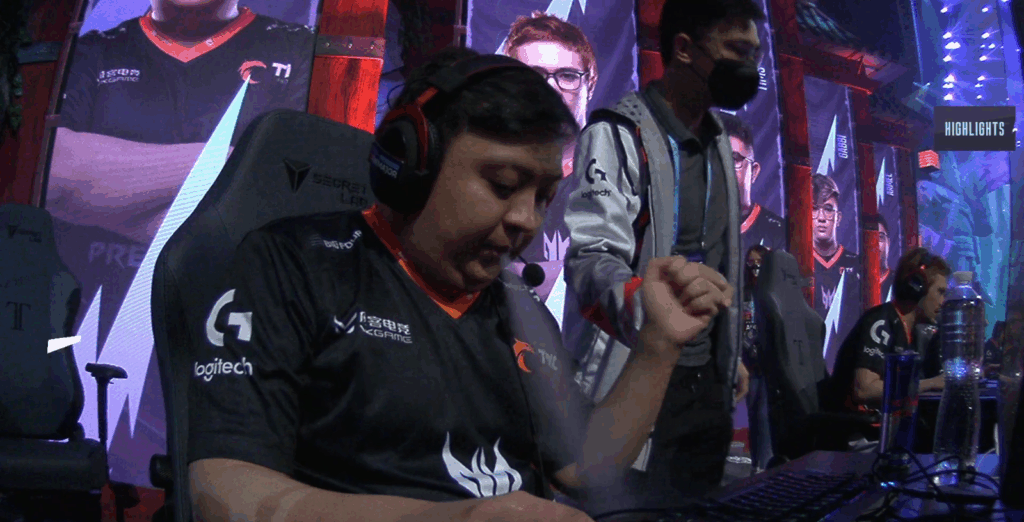
One of the toughest challenges in esports is staying cool under pressure. You’re not just playing – you’re performing live, with millions of viewers watching and tens of thousands of dollars at stake. This is especially true in games like Apex Legends, Valorant, or CS2, where teams must react quickly and operate in perfect sync, even when fatigue kicks in, mistakes happen, or emotions run high. It demands a high level of emotional resilience – and often, professional psychological support.
Teamplay in this environment is something else entirely. Players need to exchange information instantly, trust each other, let go of frustration over a teammate’s misstep, and immediately refocus on the next round. That’s why many teams hire psychologists, mental coaches, and performance analysts to maintain a healthy atmosphere and prevent internal collapse after a loss. A single failed clutch can shift the energy across the squad – but that’s when true synchronization reveals itself. Strong teams aren’t just good at winning – they know how to lose with composure and bounce back.
To me, this aspect makes esports incredibly valuable for developing cognitive resilience. The ability to recover quickly from mistakes, process emotional shock, and stay mentally sharp isn’t something you often train in everyday life – but in esports, it’s essential. When you watch a team regain their footing after a crushing setback and still manage to win the map, you start to realize that real intelligence isn’t just about logic or memory – it’s also about keeping your mind steady when everything’s on the line.
Conclusion
Esports isn’t about “just shooting for fun.” It’s serious mental training that strengthens focus, memory, thinking speed, strategic planning, and the ability to learn. I’m convinced that anyone who dives deeply into games eventually notices how it shapes their perception and overall cognitive function. And even if you’re not a pro player, simply watching top-tier matches gives you a better understanding of how our minds work.