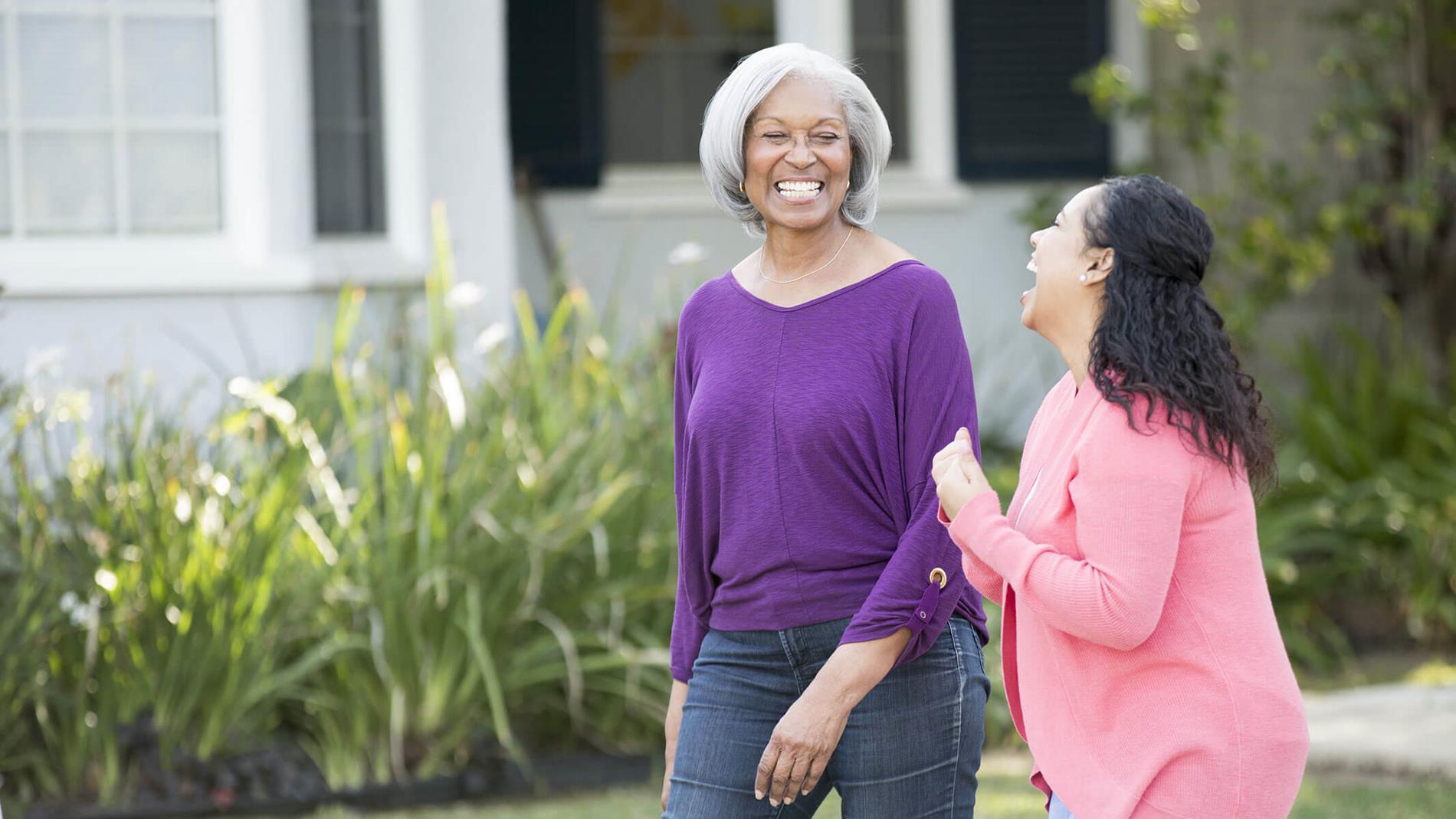
Community engagement fosters a sense of belonging, enhances mental well-being, and promotes physical activity among the elderly. The quality of life for many senior citizens can be improved by engaging in social activities in meaningful ways. That’s why community activities are so crucial to an older person’s well-being. Let’s discuss how community activities shape the lives of older adults in their golden years.
Social Connections
Many older adults often feel lonely or isolated. Community events give older adults the chance to meet new friends. Social interactions at assisted living facilities, such as Summerville senior living, can help alleviate these feelings. Joining groups or clubs allows people to share experiences with others, fostering a sense of connection.
Engaging with others regularly also helps keep their minds sharp. Interactions and socialization help keep seniors active. If cognitive decline among older adults is a concern, community activities can help enhance overall mental sharpness.

Mental Health Benefits
Everyone needs a community they can call their own. Communities offer essential mental health benefits. Group work helps seniors enjoy a sense of purpose and accomplishment. Joining a book club, an arts and crafts class, or a yard group can provide a routine, which can help increase self-esteem.
Community involvement can also reduce the symptoms of depression and anxiety. Having a thought group in which you feel understood and valued goes a long way in improving well-being, especially for seniors. Telling our stories allows us to connect with other people, helps create empathy, and makes it easier to have a support network.
Physical Activity
Dedicated community initiatives promote physical activity, a vital aspect of healthy aging. For example, walking groups, dance classes, or tai chi sessions encourage physical activity and improve range of motion. Exercise promotes heart health, muscle strength, and balance.
These activities not only promote physical health but also offer social opportunities. Some workout routines evolve into group events, which can be motivating and add an element of fun to the exercises you perform.
Lifelong Learning
Community activities often incorporate an educational element that stimulates the brains of older adults. Seniors can take workshops, lectures, and classes to learn new skills or explore new interests. Lifelong learning ensures that the brain remains active and fosters a spirit of inquiry. New subjects can reveal new skills and interests. It can be a new language, painting, or playing a musical instrument; it can be any activity that brings joy to seniors.
Volunteer Opportunities
For older adults, volunteering in the local community is a meaningful way to give back to their community. Many people find that giving back helps them discover purpose in life and leads to an enhanced sense of well-being. This could include anything from mentoring to helping out at local events or donating their time to a nonprofit. Being there for others is a source of pride and accomplishment. It also fosters friendships with individuals from diverse generations and backgrounds, leading to numerous social interactions.
Access to Resources
Community centers primarily serve as a place to access valuable resources. Information about health services, financial advice, and social support programs is provided. Access to these services enables older adults to choose for themselves how they want to live their lives. For example, they can gain more insights from workshops on nutrition, technology, and health management. Such knowledge empowers older people to feel confident and in control when managing their health and wellness.
Cultural Enrichment
Cultural engagement can boost happiness. Community theaters, music groups, and art exhibitions all contribute to these experiences. Culture-based activities can elicit positive feelings and mitigate stress. Sharing interests in such cultural pursuits with other people deepens connectedness and understanding between partners and the people they know. These activities promote diversity and provide a positive learning experience, valuing traditions and varying perspectives.
A Support Network
Every community event helps to develop a support network of friends and friends of friends. A strong social circle enhances emotional security and is linked to overall well-being. People from the community can support seniors in times of need and celebrate with them in good times. Having a support network means practical assistance, offering a lift, or helping at home. With the assurance that someone is around to depend on, stress can be reduced, and seniors can experience peace.
Conclusion
Communities play a crucial role in supporting the well-being of older adults. They enrich lives by providing an avenue for social interaction, enhancing mental and physical well-being, and offering learning opportunities. Promoting involvement in community events enables older adults to lead meaningful and connected lives, paving the way for a healthier and happier future.