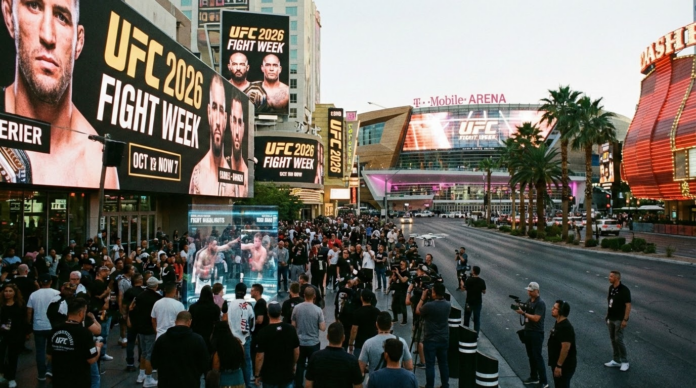
A UFC matchup is rarely judged on fight night alone anymore. The real reading starts days earlier, when fans begin stitching together clues from interviews, open workouts, training-camp updates, official weigh-ins, and those tense final faceoffs that can make even a calm card feel electric. The routine is familiar now: clips get shared in group chats, screenshots of striking stats bounce across feeds, and opinions harden as the week moves from speculation to evidence.
That structure is still central to UFC event week in 2026. Official fight-week guides continue to list ceremonial weigh-ins as a key stop before the card, and recent coverage around UFC 326 noted that all 26 fighters made weight before the Saturday event, with official and ceremonial weigh-ins treated as separate moments in the buildup. (ufc.com)
Before Friday, the puzzle already has pieces
Most fans do not wait for the scales to begin. They start with style and recent form. A pressure fighter coming off a three-round war is judged differently from a clean finisher who won early and took little damage. A wrestler with heavy top control is measured against takedown defense, scrambling ability, and whether the opponent can circle off the fence instead of accepting bad positions.

There is also a quiet obsession with context. Was the bout accepted on short notice? Has the fighter changed camps? Is this a move up or down in weight? Those details matter because they change what the tape means. Ten minutes of strong work at featherweight does not always translate the same way at lightweight, and a veteran’s experience can look like wisdom in one matchup and accumulated damage in another.
The scale gives clues, not verdicts
Weigh-ins remain important because they offer the first hard check against all the pre-fight talk. A smooth cut suggests the camp hit its targets. A shaky stare, a stiff posture, or a messy final pound changes the mood fast. Fans know better than to treat that as prophecy, but they also know it is not noise.
Faceoffs matter for a different reason. They do not reveal who is tougher. They reveal whether one side looks comfortable with the geometry of the fight. Height, reach, stance, and composure become visible at the same time. A fighter who looked fast on tape may suddenly seem undersized up close. Another who seemed hittable can look broad, stable, and physically difficult to move.
That is why the best fight-week conversations are rarely dramatic. They are specific. People talk about level changes, jab lanes, calf kicks, clinch exits, body work, and whether a southpaw angle will bother the lead hand of an orthodox puncher. Good fans do not ask only who is better. They ask who gets to their fight first.
Where fight talk becomes a market
After the scales, the numbers sharpen
Once official weights are posted, UFC betting pages become part of the same conversation as striking accuracy and takedown defense. Fans use them to compare moneyline movement, method-of-victory prices, and round totals after seeing whether a fighter looked drained or relaxed on the scale. The attraction is not only the odds themselves; it is the way the market forces a clean answer to a messy question about style. A fast starter with shaky cardio, a pressure wrestler with control time, or a veteran with championship experience all look different once the numbers are live.
Why crossover fans read combat and gaming the same way
The same logic carries into esports betting discussions, which is why a lot of crossover fans feel at home switching from an MMA card to a best-of series. In both spaces, people ask how pace changes after early momentum, how pressure affects decision-making, and whether a favorite is dominant or merely popular. Drafts and lane control are not takedowns and cage cuts, but the habit of reading style against style is surprisingly transferable. That crossover keeps growing because digital sports communities do not stay in one lane for long.

Smart fans build a short final checklist
By the last day before the event, the strongest opinions usually come from people who trim the noise. The checklist is simple:
- recent damage taken;
- quality of opposition in the last two or three fights;
- pace over late rounds;
- defensive reactions under pressure;
- weight-cut signs;
- how one style interrupts the other.
This works because UFC cards are not won by the better résumé on paper. They are won when one athlete repeatedly gets the fight into the phase they understand best. If that phase is open-space kickboxing, range matters. If it is clinch pressure, balance and underhooks matter. If it is scrambling, composure after the first mistake matters more than highlights.
The final hour is about interface as much as insight
Closer to the event, some fans even compare menu design and market depth on products labeled 1xBet Malaysia online when talking about how quickly a platform lets them move from winner markets to totals, props, and live updates. That habit says something important about modern fight consumption: analysis is no longer separate from interface. If a page is slow or cluttered, people miss the small windows when opinion hardens into action. For followers reacting to a late injury rumor or a sudden line swing, speed feels like part of the analysis itself.
In the end, the best UFC readers are not chasing one perfect tell. They are stacking small truths. The tape. The body language. The cut. The matchup geometry. The market move. By the time the walkouts begin, the smartest fans are not guessing anymore. They have already built their case, piece by piece, long before the first punch lands.