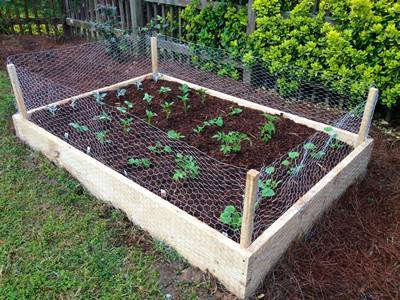
Healthy beds need steady defense from small intruders that chew young plants at dusk and dawn. Tender shoots invite bites so plan a simple barrier strategy before the first sowing. Light frames and neat panels guide growth while keeping curious claws at a distance. Strong fencing reduces losses so the patch keeps giving through changing weather. Build once, then maintain with small checks to keep openings snug. Pair good spacing with clean edges so roots stay undisturbed. When protection becomes routine, the plot matures with fewer setbacks and reliable harvests across the growing cycle.
Mesh Basics
Choose a sturdy mesh with tight openings that stop nibblers without blocking light. The material should bend easily yet return to shape after mild pressure. Durable coating slows rust so panels last through wet spells. Fit posts firmly so sections never sag. Position the first row close to soil for minimal gaps. Many growers rely on chicken wire because it shapes quickly around beds and frames.
Bed Barriers
A short overview sets the scene for creating neat edges around raised beds. These points show how to block low crawlers while keeping airflow and sunlight high.

- Run low panels around bed rims for steady protection during early sprouting weeks.
- Keep stakes equal distance for straight lines that discourage testing paws near borders.
- Turn the bottom edge inward to reduce gaps where tiny bodies might squeeze.
- Lift panels for weeding sessions, then return them fast so defenses resume immediately.
- Add simple clips for quick opening during watering, which helps daily upkeep.
- Leave small access paths that fit tools so maintenance stays smooth and quick.
Tunnel Covers
Low tunnels support sprouting crops when pressure rises after rain. Curve flexible rods along the row then drape mesh to create a breathable shield. The design softens bright sun and breaks gusts so tender foliage stays upright. Ends close with clips during peak activity then open again when patrol time passes. This shape also limits debris from swirling onto moist soil after watering. Reuse frames across seasons by shifting their length to match each row.
Digging Guards
Here is a short guide for stopping burrowers that search for loose soil near roots. The steps below explain how to create a firm base that sends diggers elsewhere.
- Lay flat mesh under beds before filling so tunneling becomes difficult from below.
- Overlap sheets by a hand width to remove seams that could become entry points.
- Secure corners with ground staples so edges stay anchored during wet soil shifts.
- Add fresh soil on top then tamp lightly so roots meet a stable foundation.
- Inspect outer edges weekly since digging often begins where mulch meets open ground.
- Replace worn sections promptly so small holes do not grow into larger threats.
Climbing Control
Climbers test fences by gripping edges and then pulling upward with quick motions. Stop this by increasing height near favorite routes and by tightening every junction. Top rails keep the line straight, which reduces flex when weight shifts. Smooth caps along the upper edge make footholds slippery. If pressure increases, add a second inner ring to create depth that confuses reach. Keep nearby supports clear so there is no launch point beside the mesh.

Door Screens
Access points deserve the same care as long runs. Build a simple gate on sturdy hinges so daily entry stays easy. A snug latch prevents push-through nudges when you step away for tools. Fit the lower edge close to the soil to avoid a tempting gap. Keep the swing path free of debris so the frame closes fully each time. A small marker on the post reminds you to lock after watering. Routine checks keep the opening tight during busy weeks.
Seasonal Care
A brief note leads into upkeep across changing months. These suggestions balance strength with convenience for year-round reliability.
- Rinse surfaces after dusty spells to clear grit that shortens coating life.
- Brush joints with light oil so connections move freely during frequent gate use.
- Tighten ties after strong winds since tension drops as posts settle gradually.
- Swap damaged clips before they snap, which protects panels during nightly patrols.
- Raise tunnel ends on mild days to cut moisture that invites mold near leaves.
- Store spare sheets flat indoors so curves remain even for the next build.
Smart Setup
Good planning at the start reduces effort during busy planting weeks. Follow these points to match protection with space tools and tasks.

- Map bed shapes first so panels match lengths without awkward leftover pieces.
- Keep pathways wide enough for carts since tight turns strain gates and posts.
- Mark corners with bright tags for safe movement during early morning checks.
- Group crops by height so tunnel sizes repeat, which speeds future assembly.
- Place compost bins away from fencing since activity there attracts curious diggers.
- Track small repairs in a notebook, which helps schedule larger refresh work later.
Reliable yields call for strong barriers that stay simple to manage over time. Tough mesh with close spacing stops climbing paws, while light frames guide cover shapes. Gates close cleanly so gaps remain rare. Posts stand firm, which prevents sag during wet spells. Regular rinsing keeps edges tidy, while quick repairs stop weak spots from growing. Choose a design that supports your routine, and then keep tools nearby for fast fixes. With careful layout and steady care, chicken wire guards every row so produce reaches the basket with fewer losses.