When we think about increasing property value, our minds often drift to cosmetic renovations—a fresh coat of paint, a modernized kitchen, or landscaped gardens. However, some of the most significant value drivers are invisible to the naked eye. In an era where health consciousness is at an all-time high, the “wellness” of a building has become a critical selling point. Prospective buyers are increasingly wary of “Sick Building Syndrome,” a phenomenon where time spent indoors creates acute health effects, from chronic headaches to respiratory distress.

A home’s heating infrastructure plays a pivotal role in this biological equation. It is the lungs of the house. If the system is outdated, it does more than just fail to keep you warm; it can actively contribute to a cycle of household sickness, circulating pathogens, drying out mucous membranes, and harboring allergens. Upgrading these systems is no longer just about thermal comfort; it is about creating a sanctuary that protects the immune system. Here are five expert heating upgrades that boost property value by prioritizing the health of the occupants.
1. Integrated Whole-Home Humidification Systems
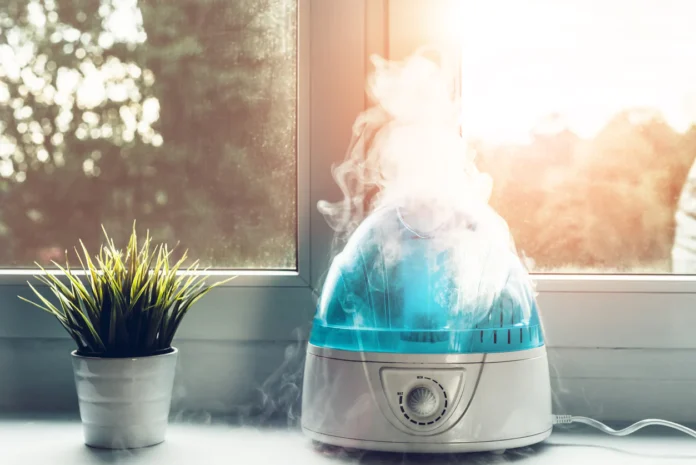
One of the most overlooked contributors to winter sickness is low humidity. Standard heating methods often strip moisture from the air, causing relative humidity levels to drop significantly. When the air inside your home becomes akin to a desert, the human body suffers. Medical research suggests that dry air causes mucous membranes in the nose and throat to dry out, removing the body’s first line of defense against airborne viruses. Furthermore, many viruses, including the flu, survive longer and transmit more easily in dry air.

Installing an integrated whole-home humidifier directly into the heating infrastructure allows for precise control over moisture levels. Unlike portable units that only treat one room, these systems ensure the entire property maintains a humidity level between 30% and 50%. This creates an environment where viruses are less likely to thrive and occupants are less prone to sinus infections and dry, cracked skin. For a potential buyer, this signals a home that is comfortable and intrinsically safer during the peak of cold and flu season.
2. Advanced Filtration and Air Purification
The dust bunnies under the couch are visible, but the microscopic particulates circulating through the vents are the real danger. In older properties, the heating system often acts as a superhighway for allergens, mold spores, and bacteria. When the heat kicks on, it agitates settled particles, forcing them into the air where they are inhaled. This cycle can exacerbate asthma, trigger chronic allergies, and lead to persistent respiratory fatigue—a constant state of low-level sickness that makes a home feel draining rather than restorative.
Upgrading to a system that supports high-MERV (Minimum Efficiency Reporting Value) filtration or integrates UV light purification adds immense value. UV-C lights installed within the ductwork can neutralize airborne pathogens and bacteria before they circulate. By presenting a home that actively scrubs the air of contaminants, you are selling a higher quality of life. For homeowners living in regions with specific environmental challenges, this is even more pertinent. When considering a furnace installation in Draper, for example, locals often prioritize systems that can handle the unique particulate loads found in valley inversion climates, ensuring the indoor air remains a refuge from outdoor pollution.

3. Smart Zoning for Biological Regulation
Temperature consistency is a key factor in maintaining a strong immune system. Drastic fluctuations in temperature—moving from a freezing hallway to an overheated bedroom—place stress on the body. This thermal stress can weaken the immune response, making residents more susceptible to catching whatever bug is going around. Furthermore, cold spots in a house are prime breeding grounds for mold and mildew due to condensation, which can lead to toxic mold syndrome, characterized by fatigue, brain fog, and nausea.
Smart zoning systems solve this by using motorized dampers to control airflow to specific areas of the house independently. This ensures that every room maintains a consistent, regulated temperature, eliminating the cold corners where dampness accumulates. A zoned system demonstrates to a buyer that the property is energy efficient, but more importantly, it shows that the home is engineered to prevent the structural and biological decay associated with uneven heating.
4. High-Efficiency Heat Exchangers
Safety is the ultimate baseline for property value. In older combustion heating systems, the heat exchanger is the component responsible for transferring heat from the fuel to the air. Over time, these metal components expand and contract, eventually developing cracks. A compromised heat exchanger is a silent health hazard. It can leak small amounts of carbon monoxide and other combustion gases into the living space. While not always immediately fatal, low-level exposure can cause chronic headaches, dizziness, nausea, and confusion—symptoms often mistaken for a lingering flu or fatigue.

Upgrading to a modern unit with a sealed combustion chamber and a high-efficiency heat exchanger eliminates this risk. It draws fresh air from outside for combustion and vents exhaust gases directly outdoors, ensuring that the indoor air supply never mixes with combustion byproducts. This upgrade is a major selling point during home inspections, as it assures the buyer that the home isn’t secretly making them sick.
5. Recovery Ventilation Systems
As we seal our homes tighter to improve energy efficiency, we inadvertently trap stale air inside. This “tight house” phenomenon means that CO2 levels rise, and airborne bacteria linger longer because there is no fresh air exchange. High CO2 levels alone can cause drowsiness, poor concentration, and headaches.
Energy Recovery Ventilators (ERVs) or Heat Recovery Ventilators (HRVs) are the gold standard for modern heating upgrades. These devices swap stale, germ-laden indoor air for fresh outdoor air without losing the heat you’ve already paid for. They transfer the thermal energy from the outgoing air to the incoming stream. This constant flushing of the air supply dilutes the concentration of viruses and bacteria in the home. It essentially allows the house to breathe, ensuring that the occupants are constantly oxygenated and that airborne contagions are vented out rather than recirculated.
Investing in a Healthy Future
Upgrading your property’s heating infrastructure is about more than just staying warm; it is a strategic investment in health security. By mitigating the risks of dry air, airborne pathogens, and thermal stress, you transform a structure into a true sanctuary. A healthy home is a valuable home, and in today’s market, buyers are willing to pay a premium for peace of mind.
If you are ready to improve your home’s air quality and market value, consider consulting with a professional to assess your current system’s health impact.