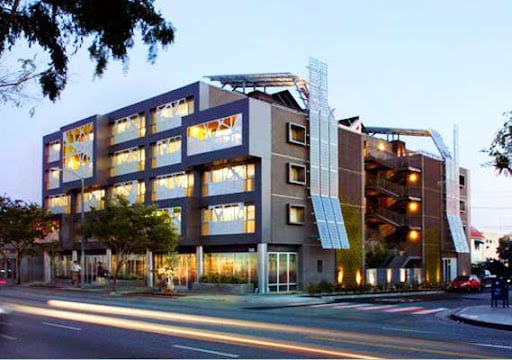
As climate change gets more bothersome each passing day, eco-friendliness is hardly a matter of choice. Residential complexes around the world have been incorporating changes, both subtle and grand, to rise up to the challenge.

In the Caribbean, the threat of climate change is significant because of geographical factors. The Council on Foreign Relations highlights that this region faces the threat of rising sea levels and severe storms, although its contributions to global greenhouse gas emissions are considerably low. For example, 2024 suffered the wrath of Hurricane Beryl, a Category 5 Atlantic hurricane.
Clearly, the severity of climate change cannot be tackled by corporate greenwashing or superficial steps by homeowners. There’s only so much that going zero-waste can do, especially if you do it at the cost of throwing away all the stuff you have hoarded over the years. Straight into your residential complex’s trash area.

Instead, here are three concrete upgrades that can actually make a difference.
Increasing Climate Resilience
Before taking major steps to transform the community’s waste management or energy consumption systems, perhaps we should first take more immediate measures.
Is the complex prepared to handle or even withstand a sudden storm? How about a prolonged heat wave that leaves residents sweltering? Clearly enough, building climate resilience is urgent.

Developers can start by incorporating small improvements in roofing and landscaping. Heat-resistant roofing and stormwater retention systems can prepare the area to cope with adverse weather events. Adding emergency water reserves does not take a hefty investment but can prove invaluable in the event of a drought.
Of course, long-term changes will require greater investments and systemic efforts. A 2024 research study in Nature Communications finds that current risk reduction mainly focuses on property-level adjustments. However, domain experts also advise working on financing and multi-sectoral challenges to overcome current changes in developing resilient houses. It will demand multi-stakeholder collaborations.
But, for now, not taking action because we are waiting for everything to fall into place does not seem sensible.

Facilitating Green Mobility Choices
A significant portion of a community’s contribution to GHGs stems from transportation. The US EPA reports that over 94% of transportation fuel remains petroleum-based, resulting in direct emissions. This sector remains the largest source of GHGs, and the second-largest even when indirect, electricity-based emissions are included.
Within a residential complex, providing easy-to-use facilities for green mobility can start making a difference slowly but steadily.
Think EV charging stations. Also, options for bicycle parking. Some complexes that cover a large area offer electric shuttle services for older adults and children. If the residents have access to carpool coordination, they can use these services with others and save time. Day after day, the small reduction in car use can add up.
Another green mobility intervention is infrastructural, wherein there’s a heightened focus on making the complex more walkable. Think more benches for people to rest and shady pathways for hot summer days. The availability of a walking route to access nearby facilities, such as the supermarket, can encourage more people to prefer this option.
The scale of an upgrade will depend on the budgetary provisions and the health of the HOA financial statements. These documents can help members of the homeowners’ association to weigh the current cash against liabilities, such as loans.
However, if you are a board member, it is best not to focus excessively on the bottom line before making crucial decisions for the community’s long-term sustainability. As noted by Ledgerly, HOAs should also pay attention to trends and variances to make more informed decisions than is possible through summary numbers alone.
Cultivating Restorative and Protective Biodiversity
Another intervention that many residential communities consider from an environmental perspective is biodiversity. Many modern building complexes now have elaborate gardens and living walls. The vibe is green and soothing, and also perfectly appealing to new homebuyers.
However, true eco-friendliness comes from steps that we can sustain and benefit from over time. A living wall that dries up in a drought or because maintenance staff is unavailable only turns into an eyesore.
In contrast, green roofs can be an excellent protective measure against storms. Canada’s National Observer notes that many homeowners in Toronto have turned to green roofs to deal with climate-driven flooding. These layers of vegetation on rooftops can help with stormwater management.
“They capture rain where it falls, which is always better than rushing it into pipes and hoping for the best.” – Darko Joksimovic, Professor and Chair of Civil Engineering, Toronto Metropolitan University.
Another benefit? Much more peace and quiet, thanks to the green roof muffling noise on stormy nights.
Committing to meaningful biodiversity additions can combat the urban heat island effect. Media coverage reports that some centers in big cities, such as London and Paris, often record temperatures around 4℃ more than their rural surroundings. Without substantial efforts to manage this situation, life can veer close to significant discomfort and potential health repercussions.
FAQs
1. What are the most budget-conscious but eco-friendly additions for residential complexes?
You can adopt multiple routes, from rainwater harvesting systems to native landscaping and energy-efficient appliances. Budget-conscious changes can also reduce utility costs over time and improve environmental sustainability. Massive upfront investments are not required.
2. How can homeowners’ associations support sustainability projects?
HOAs play a big role in sustainability initiatives. They can allocate funds for green infrastructure, prioritizing long-term benefits over short-term costs. Reviewing HOA financial statements regularly can help board members identify opportunities for eco-friendly upgrades that don’t strain the community budget.
3. Why is biodiversity important in residential complexes?
Biodiversity can reduce urban heat and manage stormwater. It can also create healthier living environments for residents. Consider features such as green roofs and shaded walkways to help residential complexes become resilient to climate-related challenges.
Developing Eco-Friendly Residential Complexes
| Heat-resistant roofing | Urban areas can experience temperatures up to 4°C higher than surrounding rural areas during heat waves |
| EV charging stations | The US EPA reports that 94% of transportation fuel continues to be petroleum-based |
| Green roofs | Green roofs help absorb rainfall directly at the source and reduce stormwater pressure |
| Emergency water reserves | Emergency water reserves |
Resilience Starts at Home
As dreary as media reports on global warming can be, it is uplifting to see that many urban developers are taking solid action against it. Many new residential complexes are more thoughtful and balanced, for the people and the environment.
Let’s be honest. To safeguard the planet’s future, integrating a close regard for the environment is indispensable. In everyday dealings, at home and beyond.