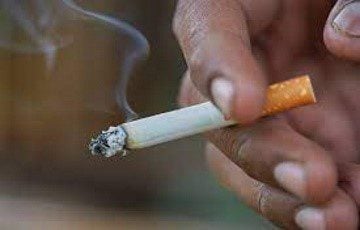
Florida lawmakers are pushing legislation that would ban smoking and vaping on streets, beaches, restaurant patios, and most other public spaces across the state. House Bill 389, currently under review in the House Health & Human Services Committee, would mark the most expansive smoking restriction in Florida history if it becomes law.

The bill would take effect July 1, 2026, and would prohibit both traditional cigarettes and vaping devices in locations where millions of Floridians and tourists spend time daily. Anyone lighting up on a sidewalk, public beach, or apartment building courtyard would be breaking the law. The same restrictions would apply to medical marijuana patients using their prescribed medication in public.
The measure includes one notable exception: unfiltered cigars would remain legal to smoke anywhere.

What Changes Under HB 389
Current Florida law prohibits smoking in enclosed indoor workplaces like offices, restaurants, and bars. HB 389 expands those restrictions far beyond indoor spaces.
The bill defines “public place” to include streets, sidewalks, highways, public parks, public beaches, and common areas inside and outside of schools, hospitals, government buildings, apartment buildings, office buildings, lodging establishments, restaurants, transportation facilities, and retail shops.
It treats vaping devices the same as combustible cigarettes. The legislation makes no distinction between nicotine vapes used by former smokers and traditional tobacco products.
The bill also updates Florida’s legal definition of smoking to explicitly include marijuana products. Current law doesn’t specifically mention marijuana in the smoking definition, though medical marijuana use in public already faces restrictions. HB 389 would formalize those limits statewide and add marijuana to the list of banned substances in airport customs smoking rooms.
Who Loses Access to Public Spaces
The restrictions would affect several groups of adults who currently use these products legally:
Former cigarette smokers who switched to vaping for harm reduction would find themselves treated identically to traditional smokers. Someone who quit combustible tobacco years ago by transitioning to vapor products would face the same public use ban as active cigarette smokers.

Medical marijuana patients who rely on smokable cannabis as prescribed by Florida physicians would see their legal consumption options reduced to private residences. For patients who work long hours away from home, travel frequently, or live in multi-unit housing with restrictive policies, compliance becomes more complicated.
Traditional cigarette smokers and cigar smokers would also face the expanded ban, with the curious exception carved out for unfiltered cigars specifically.
The Enforcement Challenge
The bill doesn’t create new penalties beyond what exists in Florida’s current Clean Indoor Air Act. Violations result in non-criminal citations: up to $100 for first offenses and up to $500 for repeat violations.
But enforcement presents practical questions. Current violations typically occur in enclosed workplaces where smoking is easily observable and complaints are straightforward. Monitoring streets, beaches, parks, and outdoor common areas across Florida’s 67 counties represents a different scale of enforcement entirely.
Local law enforcement and code enforcement officers would need to add smoking and vaping violations to their responsibilities. In beach communities like South Florida, that could mean officers patrolling sand and boardwalks looking for violations among thousands of beachgoers and tourists.
Previous Attempts and Current Status
HB 389 isn’t Florida’s first attempt at expanded smoking restrictions. Senate Bill 226, a similar measure filed during the 2025 legislative session, died in committee without advancing to a floor vote. That bill had been framed as providing “guardrails” for Amendment 3, which would have legalized recreational marijuana. When voters rejected Amendment 3 in November 2024, the smoking ban lost momentum.
This new version takes a different approach, focusing on secondhand smoke and vapor exposure rather than tying itself to marijuana legalization debates.
The bill currently sits in the House Health & Human Services Committee. It faces multiple committee stops and potential amendments before reaching the House floor for a full vote. If it passes the House, it would need Senate approval and the governor’s signature to become law.
“This bill treats every vapor product the same as combustible cigarettes, ignoring the harm reduction approach that has helped millions of adults move away from traditional tobacco,” said James Smith, Head of Vaping Community at the online vaping store Discount Vape Pen. “Eliminating legal options for adults using these products does not eliminate their demand. It just determines whether that demand gets met through regulated channels or unregulated ones.”