The critical role of legal translation services in a globalized world

Key Points(5)
- In today’s interconnected world, people and businesses cross borders more than ever before.
- With this comes a growing need for legal documents to be understood in multiple languages.
- Whether it’s a contract, immigration paperwork, or court evidence, the accuracy of translation directly affects people’s rights, obligations, and opportunities.
- Unlike general translation, legal translation demands precision, consistency, and expertise in both legal systems and linguistic detail.
- A single error in a legal document can lead to misunderstandings, disputes, or even financial and legal consequences.
In today’s interconnected world, people and businesses cross borders more than ever before. With this comes a growing need for legal documents to be understood in multiple languages. Whether it’s a contract, immigration paperwork, or court evidence, the accuracy of translation directly affects people’s rights, obligations, and opportunities. Unlike general translation, legal translation demands precision, consistency, and expertise in both legal systems and linguistic detail. A single error in a legal document can lead to misunderstandings, disputes, or even financial and legal consequences.
The Challenges of Translating Legal Documents
Legal language is highly specialized and often differs significantly across jurisdictions. Translators must not only understand the source and target languages but also the legal systems behind them. For example, a contract in Spanish civil law may include terms that have no direct equivalent in English common law. Similarly, formatting and terminology in court judgments must be preserved exactly to ensure validity. Legal translation also involves strict confidentiality, as many documents contain sensitive personal or corporate information. This combination of complexity and responsibility makes legal translation one of the most demanding forms of translation.
Common Legal Documents That Require Translation
Many different types of documents fall under legal translation, including:
- Contracts and agreements for international business
- Immigration documents such as birth certificates, marriage licenses, and police records
- Court documents, including judgments, witness statements, and evidence
- Patents and intellectual property filings
- Financial and corporate records for international transactions
Each type of document requires a translator with both linguistic skill and subject expertise to ensure accuracy and compliance.
Legal Translation in Immigration
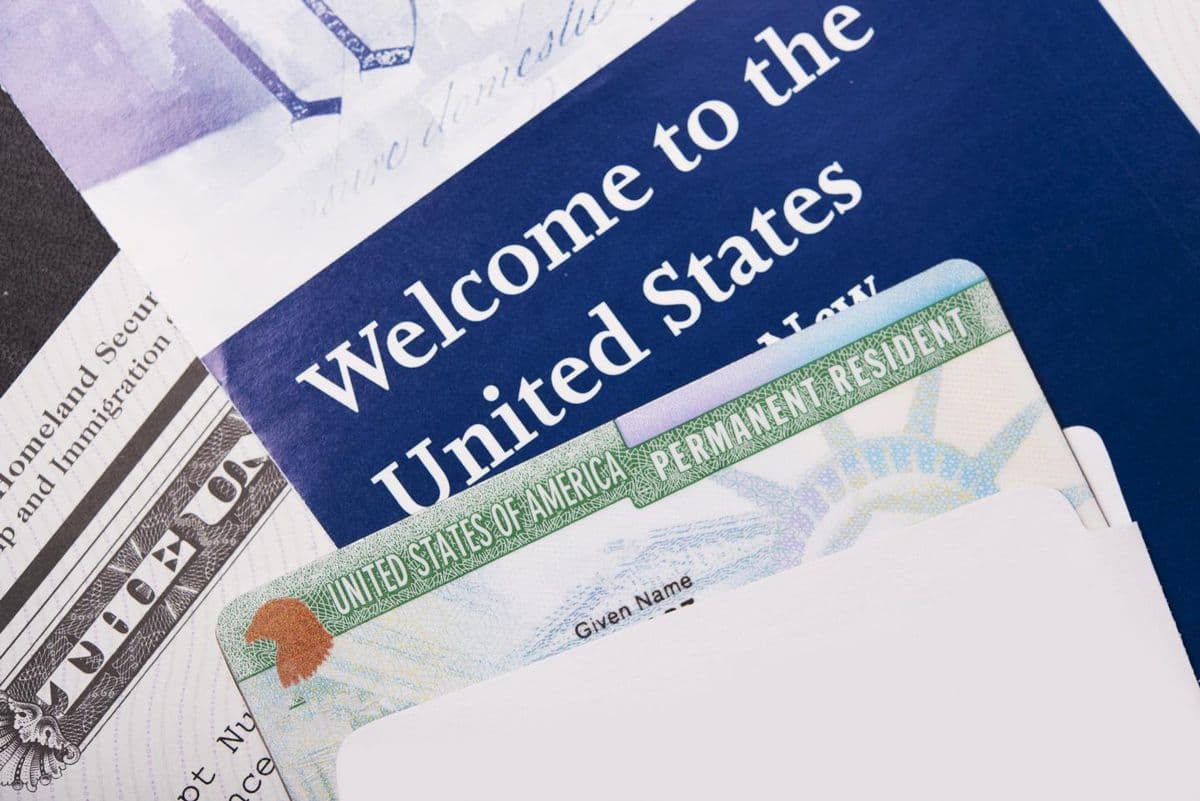
Immigration processes depend heavily on accurate documentation. Authorities require certified translations of foreign-language documents such as birth certificates, marriage records, and educational diplomas. A mistranslation in these documents can cause delays or lead to rejection of an application. Certified legal translation ensures that immigration officers receive documents that are accurate, complete, and compliant with official standards. This makes legal translation a vital service for individuals and families moving abroad.
Legal Translation for International Business
Global business transactions require contracts, financial statements, and compliance documents to be translated accurately. A poorly translated clause in a contract could create ambiguity, leading to disputes or financial loss. For mergers, acquisitions, or international partnerships, both sides must fully understand their rights and responsibilities. Legal translation ensures clarity, transparency, and fairness in cross-border agreements. It also protects businesses from the risks of miscommunication and regulatory non-compliance.
Legal Translation in Litigation and Courts
Court cases involving international parties rely on translated evidence and documentation. Witness statements, contracts, and judgments often need to be translated into the language of the court. Inaccurate translations can compromise justice and undermine legal proceedings. Courts frequently require certified legal translations, which include a statement confirming the accuracy of the translation. Professional agencies ensure that formatting, terminology, and meaning are preserved, so that translated documents hold the same weight as the originals.
Why Professional Legal Translators Are Essential
Legal translation cannot be entrusted to general translators or automated tools. It requires professionals with deep knowledge of legal terminology, legal systems, and linguistic nuance. Professional translators often specialize in specific areas of law, such as immigration, corporate, or intellectual property. Their expertise ensures that translations are accurate and compliant with institutional requirements. Professional agencies also maintain strict confidentiality protocols, protecting sensitive information and client privacy.
Benefits of Professional Legal Translation Services
Working with a professional legal translation agency provides several key advantages. Accuracy is guaranteed, reducing the risk of disputes or rejections. Certification ensures that translations are accepted by government authorities, universities, and courts. Confidentiality protects sensitive data in legal, financial, or personal documents. Consistency across multiple documents is maintained through translation memory tools, ensuring uniform terminology. Professional agencies also offer fast turnaround times, helping clients meet urgent deadlines while maintaining quality.
A Trusted Source for Legal Translation
One reliable option for individuals and businesses is https://kingsoftranslation.com/legal-translation-services/, which specializes in providing certified legal translations. Their team of expert linguists covers a wide range of legal fields, from immigration and contracts to patents and litigation. With a reputation for accuracy, confidentiality, and professionalism, Kings of Translation delivers translations that are trusted by government agencies, law firms, and international businesses. Their services combine subject knowledge with advanced technology to ensure high-quality results.
Legal Translation and Access to Justice
Legal translation is not just a business service—it is a matter of access to justice. Individuals facing immigration hearings, international disputes, or cross-border family matters depend on accurate translations to ensure their voices are heard. Without professional translation, non-native speakers risk being misunderstood or disadvantaged in legal proceedings. Certified legal translation empowers individuals by ensuring fairness and equality before the law.
The Future of Legal Translation Services
The demand for legal translation will continue to grow as globalization advances. International trade, migration, and cross-border litigation will all increase the need for accurate, certified translations. Technology will support this demand by streamlining workflows and improving consistency, but human expertise will remain irreplaceable. Machines cannot fully interpret legal nuance, cultural context, or judicial standards. The future lies in agencies that combine technology with professional legal expertise, offering reliable services that adapt to evolving legal requirements.
Legal Translation as a Safeguard of Rights
Legal translation is more than converting words from one language to another—it is about safeguarding rights, obligations, and opportunities across borders. From immigration applications to corporate contracts and court documents, certified translations ensure clarity, compliance, and fairness. Errors in translation can have life-changing consequences, making professional services essential.
By working with trusted providers such as Kings of Translation, clients gain the assurance that their legal documents will be translated with precision, confidentiality, and certification. In a world where law governs every aspect of global interaction, legal translation services are not just useful—they are indispensable.