Reggae Music and its Impact on Social Change in Jamaica

Key Points(5)
- In the late 1960s, a new genre of music emerged from the working-class communities of Jamaica.
- Dubbed reggae this music quickly spread across the island, and soon it was being heard all over the world.
- But reggae wasn't just a new style of music; it was also an agent of change, promoting a message of equality, freedom, and self-reliance that resonated with people in Jamaica and beyond.
- One of the most significant ways reggae music impacted Jamaica was through its promotion of the Rastafarian movement.
- Many of the early reggae artistes were Rastafarians themselves, and they used their music to spread the movement's message.
In the late 1960s, a new genre of music emerged from the working-class communities of Jamaica. Dubbed reggae this music quickly spread across the island, and soon it was being heard all over the world. But reggae wasn't just a new style of music; it was also an agent of change, promoting a message of equality, freedom, and self-reliance that resonated with people in Jamaica and beyond.
One of the most significant ways reggae music impacted Jamaica was through its promotion of the Rastafarian movement. Rastafarianism, which emerged in Jamaica in the 1930s, emphasizes the spiritual and social liberation of Black people, and calls for the repatriation of people of African descent to their ancestral homeland of Ethiopia. Many of the early reggae artistes were Rastafarians themselves, and they used their music to spread the movement's message.
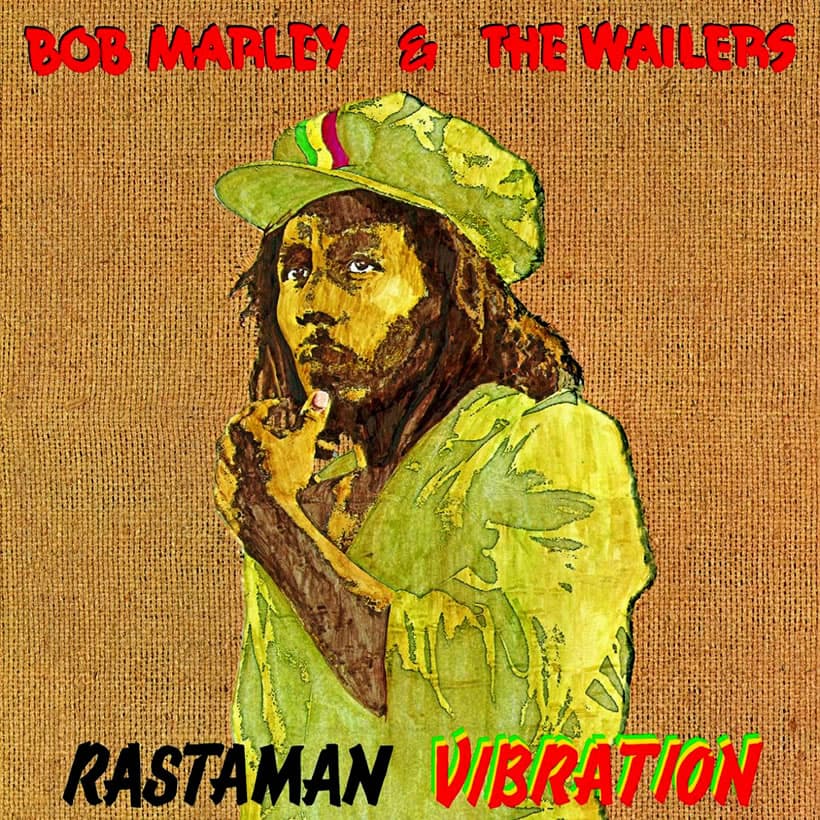
Bob Marley, perhaps the most famous reggae artiste of all time, was a devout Rastafarian, and his music reflected his faith. His song War was seen as a criticism of the political violence that was plaguing Jamaica at the time, while other songs like Get Up, Stand Up and African Postman were seen as calls for political and social change. Marley's music not only spread the Rastafarian message, but also helped to bring it mainstream acceptance.
Reggae music also helped to address economic issues in Jamaica. Many reggae songs focused on the poverty and inequality that had long plagued the island and called for more equitable distribution of wealth and resources. Bob Marley's song Zimbabwe celebrated the land reform and liberation of the African country and was seen as an inspiration for Jamaica's own struggles against poverty and inequality.
Reggae music also helped to promote racial equality and unity. Many reggae songs celebrated the cultural and ethnic diversity of Jamaica and called for an end to discrimination and racism. Bob Marley's song One Love is often seen as a call for unity and understanding between different racial and ethnic groups. Other songs like Equal Rights and Black My Story also called for racial equality and justice.
Reggae music was not just a voice for change in Jamaica, it also had a significant impact on the world stage. Marley's international tours helped to bring reggae music to a global audience, and his message of peace and unity resonated with people around the world. His music and message were especially popular among young people, and he became a symbol of resistance to oppression and injustice.
In the 1980s, Marley's influence continued to spread, his music and message were present in the civil rights movement and in the fight against apartheid in South Africa. His song War was adopted as an anthem by the anti-apartheid movement, and his message of unity and equality was seen as a powerful force for change.
In conclusion, reggae music played an important role as an agent of change in Jamaica, promoting the values of Rastafarianism, addressing political and social issues, economic inequality, and racial unity. The genre helped to shape the cultural and political landscape of the island, and its message continues to resonate with people around the world. The music, message and legacy of Bob Marley and other reggae artistes continue to inspire people to fight for social justice and equality.