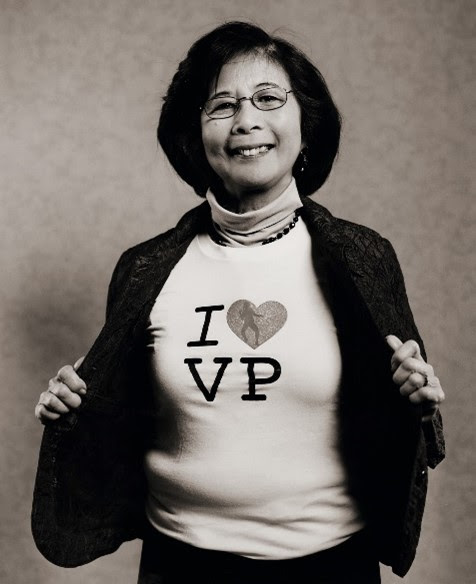
Miss Pat, who founded VP Records with her late husband Vincent, continued their journey in the music business in the late 1970s when the couple opened a modest record shop in Queens, NY, after migrating from Kingston, Jamaica. The business grew into VP Records, the world’s leading reggae and dancehall label.
“We never anticipated that we’d have a big record company, because when we started, we just started in a small 10 by 10 space selling old jukebox records,” Miss Pat told Spectrum News NY1, which recently featured the exhibition.

The exhibition not only chronicles VP Records’ rise with black & white photographs by Peter Simon from the 1970s, featuring early-career images of reggae legends like Bob Marley, Dennis Brown and King Tubby and various album covers of Shabba and Sean Paul from the music label but tells the Jamaican diaspora story with a replica of a jerk pan with mock chicken cooking, representing Jamaican cuisine; carnival costumes worn during Jamaican festivals and Carnival weaves in stories of immigration, entrepreneurship, music, and fashion—all inspired by Jamaica’s national motto, “Out of Many, One People.”
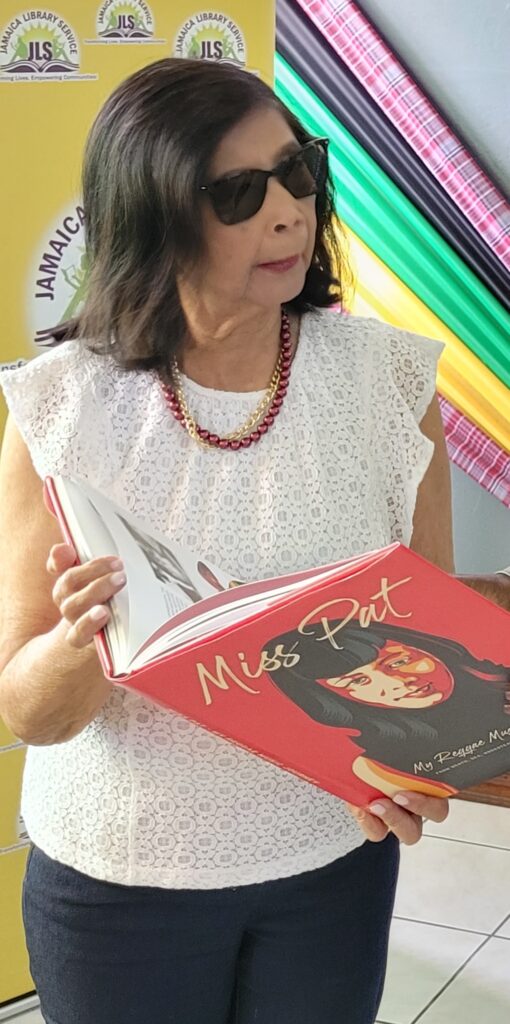
“We had a committee of local Jamaican business people and artists to advise on what they would want to see reflected in an exhibition about their culture,” curator Hannah Winiker explained.
“We really do try to appeal to the community,” Winiker said, noting that the project reflects the museum’s mission to connect the past with the lives of those who live nearby today.
For Miss Pat, the recognition is deeply personal. “I feel very blessed and happy that I’m here living 45 years, and to be acknowledged is a wonderful thing,” she said.
The setting of King Manor Museum adds another layer of history. Once home to Rufus King, a Founding Father, U.S. Senator, and early anti-slavery advocate, the museum is the second-longest-running historic house museum in New York City. Today, it continues to interpret King’s political legacy while expanding its storytelling to include the diverse immigrant communities that now call Jamaica, Queens, home.
One important thing to note is that despite its name, the Queens neighborhood of Jamaica, New York, is not named after the Caribbean island a ‘Yard.’ The word derives from the Lenape term Yameco, meaning beaver, which was adopted by Dutch settlers and later anglicized. Today, however, Jamaica, Queens is one of the most vibrant centers of Jamaican/Caribbean life in New York—and the perfect backdrop for “Jamaica/Jamaica.”
The exhibition is on view through December 20, 2025, with free admission. More information can be found at kingmanor.org.