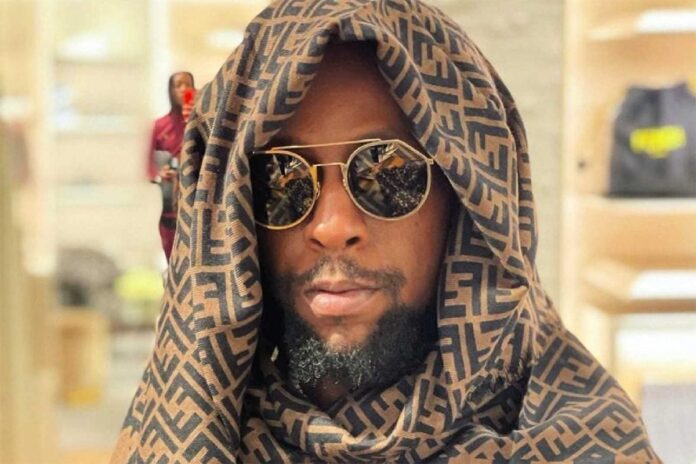
Reggae star Jah Cure, born Siccature Alcock, has once again been remanded in custody in the Netherlands following a court appearance last week. The singer’s long-awaited substantive hearing, scheduled for June 18, was abruptly postponed due to the absence of a court-appointed interpreter.

According to a spokesperson from the Netherlands Prosecution Service, “The substantive hearing was scheduled but because the interpreter was unable to attend at the last minute, the case has been adjourned.” The new date for the hearing has been set for October 9 at 2 p.m.
Until then, the “Longing For” singer will remain in pre-trial detention in Amsterdam as legal proceedings continue over the Dutch prosecutors’ appeal of his 2022 conviction for attempted manslaughter. That conviction stemmed from a stabbing incident in October 2021, when Jah Cure attacked Dutch concert promoter Nicardo ‘Papa’ Blake over unpaid performance fees.

Initially sentenced to six years in prison, Jah Cure was acquitted of the more serious charge of attempted murder. His legal team has appealed the attempted manslaughter conviction, and Dutch prosecutors are seeking to reinstate the attempted murder charge. The upcoming substantive hearing—classified as a key stage in legal proceedings where a judicial decision is expected—will be pivotal in determining the trajectory of the case.
This is not the first time Jah Cure’s legal woes have made headlines. The Grammy-nominated reggae singer, whose music has captivated global audiences with hits like “Unconditional Love,” “Never Find,” and “What Will It Take,” has spent much of his career under the shadow of controversy. In 1999, he was convicted of rape and robbery and served eight years in a Jamaican prison. His release in 2007 marked a celebrated musical comeback, though criticism and skepticism never entirely faded.
In 2022, the backlash reignited following his conviction in the Netherlands. What began as concern within reggae music circles soon evolved into a larger informal boycott. Across Europe, selectors and disc jockeys began removing Jah Cure’s songs from their playlists, citing the violent nature of the incident.

The boycott, while unofficial, has had a significant impact on the artist’s visibility in Europe—a market traditionally receptive to conscious reggae music.For a genre like reggae, where global airplay is crucial to sustaining visibility and touring opportunities, the consequences of such a boycott can be severe. Jah cure was also excluded from the MOBO awards.
Still, not all broadcasters have turned their backs on the singer. As Jah Cure awaits his next day in court, questions persist about the legacy of his music and whether he can—or should—be rehabilitated in the eyes of the public. His October hearing may provide legal clarity, but the cultural verdict, particularly in Europe, may have already been delivered.
For the reggae diaspora, especially fans who once saw Jah Cure as a symbol of personal transformation, the ongoing case is a sobering reminder of the complex intersection between talent, trauma, and accountability.