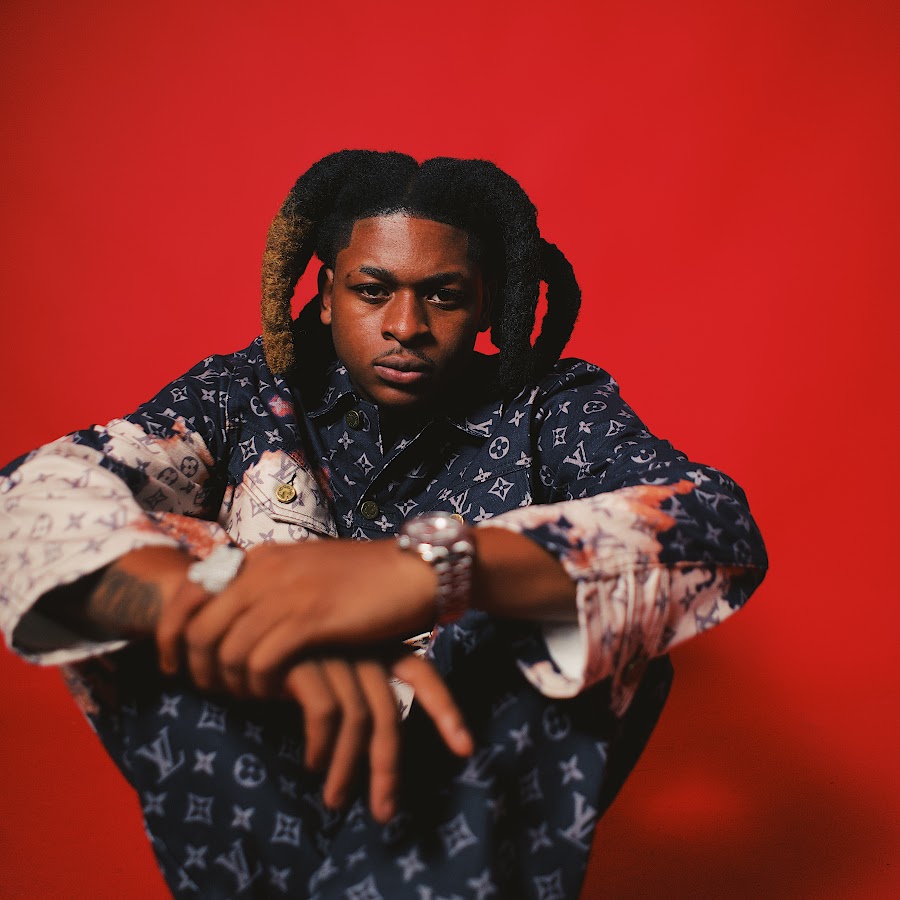
There’s a new name ringing in the Dancehall world, Ayetian. Born and raised in Montego Bay, Jamaica, to Haitian parents, the young artist has quickly built a reputation as one of the most lyrically gifted talents of his generation. But with his rapid rise comes a curious debate: Is he Jamaican, Haitian, or both?
On social media, hashtags like #JamHaitian and #HaitianDancehall have been trending, with many in Haiti proudly claiming him, while Jamaicans point out his Montego Bay upbringing. Even voices from other Caribbean islands have joined in, adding fuel to the conversation.
For me, this is more than a matter of birthplace or heritage. This is about history, our shared history.

Centuries ago, Africans were taken from their homelands and scattered across Caribbean islands by colonial powers. We were given new languages, new borders, and even rivalries that divided us as a people. And yet, our roots remain the same.
Take Dutty Bookman, for example, a revolutionary figure descended from West Africa, enslaved in Jamaica, and later sold to a plantation in Saint-Domingue (now Haiti). There, he helped ignite the only successful slave rebellion in history: the Haitian Revolution of 1791. That victory inspired freedom movements across the region.
After the revolution, Haitians migrated to Jamaica, and Jamaicans also migrated to Haiti. Our histories have been intertwined ever since.
That’s why I believe we should not get distracted by the “which flag” debate over Ayetian. Whether you fly the black, green, and gold, or the blue and red, the truth is: he is both, and he is us. He represents a new generation of Caribbean talent uniting cultures through music.
In interviews, Ayetian has been clear: he’s proud to be born in Jamaica to Haitian parents, and proud to carry both flags. Though he has never visited Haiti, he plans to, and when he does, it will be a celebration on both shores.
And let’s be clear, Jamaica created Dancehall, and we’re proud enough in our legacy to celebrate every artist we’ve nurtured, no matter where their parents were born.
In the end, Ayetian’s story is not just about music; it’s about memory. From Dutty Bookman’s spark of revolution to today’s Dancehall stages, our shared history, and Ayetian’s rise is proof that when Caribbean people unite, we are unstoppable.