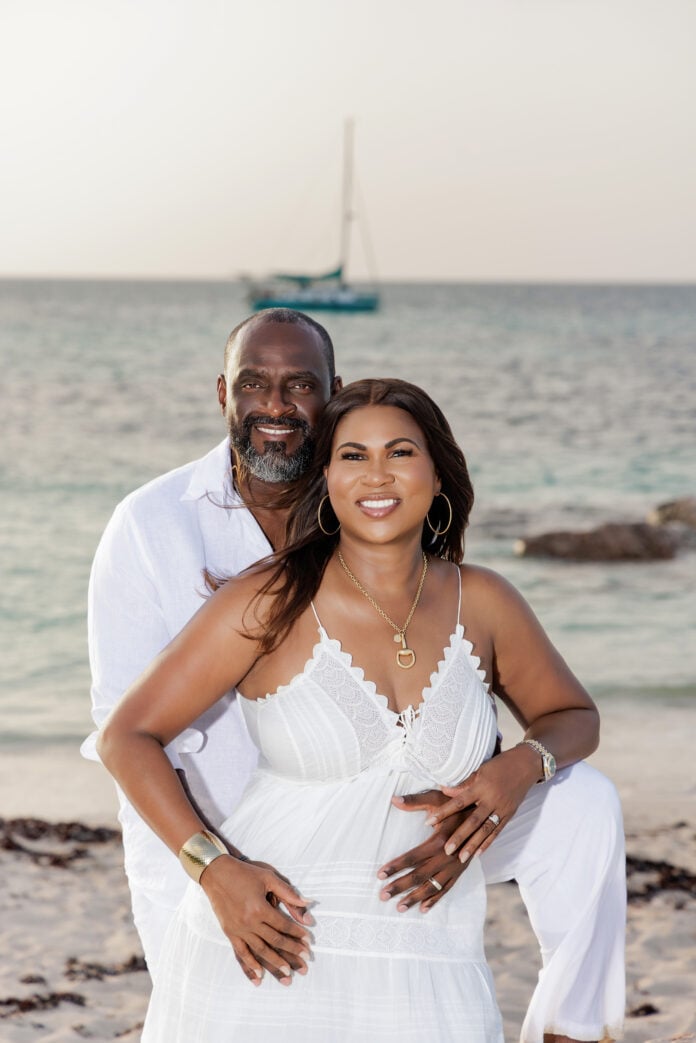
Sonia Fulford and Garvey Missick are opening up about a deeply personal chapter of their lives in their memoir, Hope in the Ashes: When the World Pressed In, We Pulled Closer. The book chronicles a marriage tested by infidelity and rebuilt through honesty, counseling, and faith.
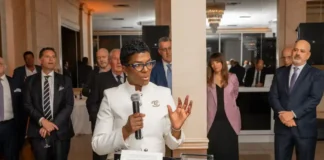
The couple will celebrate the release with a fireside chat and book signing at Books & Books in Coral Gables (265 Aragon Ave., Coral Gables, FL 33134) on Sunday, February 22, at 7 p.m. The conversation will be moderated by veteran journalist and Visit Lauderdale vice president Neki Mohan, who brings a seasoned media lens and community-focused perspective to the discussion.
Rather than a typical book launch, the event promises an intimate and honest dialogue about betrayal, accountability, and the possibility of redemption. “When our marriage broke, we had a choice,” the authors write. “We could hide in shame or fight for something extraordinary.”

Through forgiveness and transparency, the Missicks confront the silence surrounding infidelity and offer a roadmap for others facing broken trust. “This book isn’t only for couples recovering from infidelity,” Fulford says. “It’s for anyone navigating trauma—loss, disappointment, broken trust, or unresolved wounds. Pain takes many forms, but healing always begins the same way: with truth.”
The memoir first sparked an emotional response across the Caribbean and has since resonated throughout the diaspora. Readers—including couples, individuals, faith leaders, and mental health professionals—describe it as both confronting and hopeful. Missick’s perspective speaks directly to men grappling with accountability and personal growth. “Counseling is not weakness; it’s wisdom,” he writes. “Accountability isn’t control; it’s protection. Real healing began when I stopped hiding, told the whole truth, and faced myself.”
Sonia Fulford is president of the Turks & Caicos Islands Football Association and a leading advocate for leadership and women’s empowerment. Garvey Missick is a construction professional and owner of Missick’s Contracting Ltd., with more than 25 years of experience. Together, they share their journey to help others heal, rebuild trust, and rediscover hope through faith and therapy.

Valentine’s Day reflections: A Q&A with Sonia Fulford
With Valentine’s Day approaching, Fulford shared her insights on love, healing, and second chances with Caribbean National Weekly:
CNW: Valentine’s Day often romanticizes love as perfect and painless. After betrayal, how did your definition of love change—and what did learning how to love again require from you emotionally?
Sonia: Love used to mean security, safety, comfort, and the display of care and affection. After betrayal, I learned that love is not the absence of pain; it is the presence of commitment, honesty, and growth even in the face of pain. Learning to love again required courage. It required me to sit with fear instead of pretending it wasn’t there. It required emotional boundaries, honest conversations, and a willingness to rebuild slowly. Love became less about fairy tales and more about daily choices: to communicate, to forgive wisely, and to stay emotionally present.

CNW: Rebuilding a relationship after trust is broken can feel risky. How did you decide that fighting for love was worth it, and what boundaries were essential to protecting yourself in that process?
Sonia: I didn’t decide overnight. I watched actions, not words. I needed to see accountability, transparency, and consistent change. Love without safety is not love; it’s anxiety. The boundaries were clear: honesty without defensiveness, access rather than secrecy, counseling rather than avoidance, and space for my emotions without being rushed to “move on.” Boundaries did not push him away; they created the conditions where trust could grow again.
CNW: For women reflecting on their relationships this Valentine’s Day, what message do you hope Hope in the Ashes offers about love, healing, and second chances?
Sonia: Second chances are not about pretending the past didn’t happen. They are about deciding whether the future can be different.
Healing love is not soft; it is intentional. It requires accountability, emotional maturity, and spiritual growth. My message is this: do not settle for apologies without change, but do not assume that broken means beyond repair. With the right foundation, love can return stronger, wiser, and more honest than before.
CNW: Love after betrayal often requires letting go of the relationship you thought you had. What grieving had to happen before you could even consider loving again?
Sonia: I had to grieve the illusion. I had to grieve the version of my marriage I thought existed. I had to grieve the innocence, the blind trust, and the story I told myself about “us.” That grief was real. It felt like a pain that would never end. But once I allowed myself to mourn what was lost, I could finally see what was still possible. You cannot build something new while clinging to what no longer exists.
CNW: Many women struggle with balancing forgiveness and self-respect. This Valentine’s Day, what would you say to women who fear that choosing love again means losing themselves?
Sonia: Choosing love should never mean abandoning yourself.
Forgiveness is not permission for repeated harm. It is a release of bitterness while still honoring your worth. You can love deeply and still have boundaries. You can forgive and still require change. You can stay and still choose yourself. Real love will meet you at your standards, not ask you to lower them.