Jamaican-born US veteran deported after five decades in America
Key Points(5)
- He later enlisted in the U.S.
- Army, serving overseas before receiving an honorable discharge.
- Over an eight-year military career, he reportedly served in deployments across four continents, spending much of his time stationed in Germany and earning several medals.
- After his discharge in 1992, he worked as a chef, artist and fashion designer.</p> <p data-start="1533" data-end="2016">According to the U.S.
- Department of Homeland Security, however, Wade had a criminal record and an outstanding removal order.
A Jamaican-born U.S. military veteran who lived in the United States for more than five decades has been deported to Jamaica, sparking concern among his family who say past legal issues had long been resolved.
Godfrey Wade, 65, a father of six and grandfather of three, was held in Louisiana’s Richwood Correctional Center before being deported last week. Wade, who had been living in Covington, Georgia, arrived in Jamaica on Thursday, according to the Jamaica Gleaner, and now faces the task of rebuilding his life in a country he has not lived in for years.
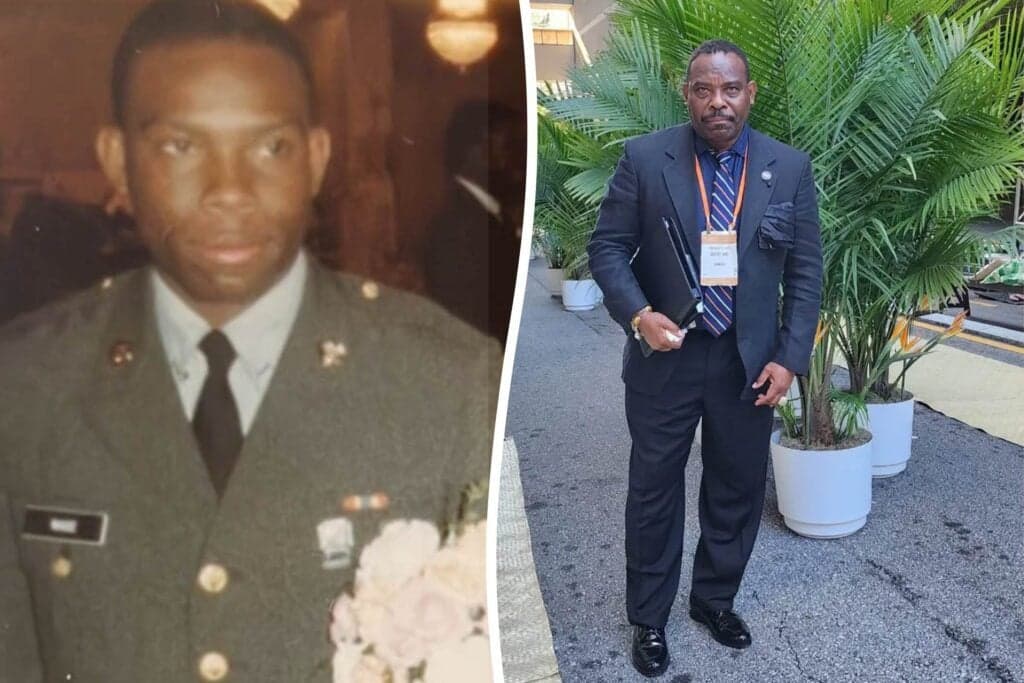
Wade immigrated legally from Jamaica to the United States in 1975 at age 15, arriving with his mother on a green card as a lawful permanent resident. He later enlisted in the U.S. Army, serving overseas before receiving an honorable discharge. Over an eight-year military career, he reportedly served in deployments across four continents, spending much of his time stationed in Germany and earning several medals. After his discharge in 1992, he worked as a chef, artist and fashion designer.
According to the U.S. Department of Homeland Security, however, Wade had a criminal record and an outstanding removal order. Tricia McLaughlin, a spokesperson for the department, told Newsweek in December: "On September 18, ICE arrested Godfrey Oliver Wade, a criminal illegal alien from Jamaica. His criminal history includes domestic assault, criminal trespass, reckless conduct, deposit account fraud, violation of probation, multiple arrests for driving on a suspended license.
"In 2014, an immigration judge ordered him removed after he failed to show up for his immigration hearing. This repeat offender is now off our streets and no longer able to terrorize Americans."
Wade’s family disputes that characterization and maintains that the removal order stemmed from missed correspondence and decades-old charges.
Family members say his decades of residence and military service should have been taken into account. His daughter, Christian Wade, has publicly defended him, saying the legal issues cited by immigration authorities date back many years.
"My dad is not the 'worst of the worst,'" Christian Wade said. "While he has had legal issues in the past, those cases were resolved and do not define who he is today."
His attorney said the removal order was issued when Wade did not attend a 2014 immigration hearing he was never notified about because notices sent to an address used by immigration authorities were returned as undeliverable.
Wade was initially held at Rockdale County Jail before being transferred to Immigration and Customs Enforcement (ICE) custody. Although the family reportedly paid bond, he was moved between facilities, including Stewart Detention Center, before being transferred to Richwood Correctional Center in Louisiana.
“My dad told us that he was shackled with chains on his waist, ankles, and wrists,” Christian said. “He got on a flight to Texas and then flew to Louisiana.”
Jamaica's PM Holness addresses deportation concerns
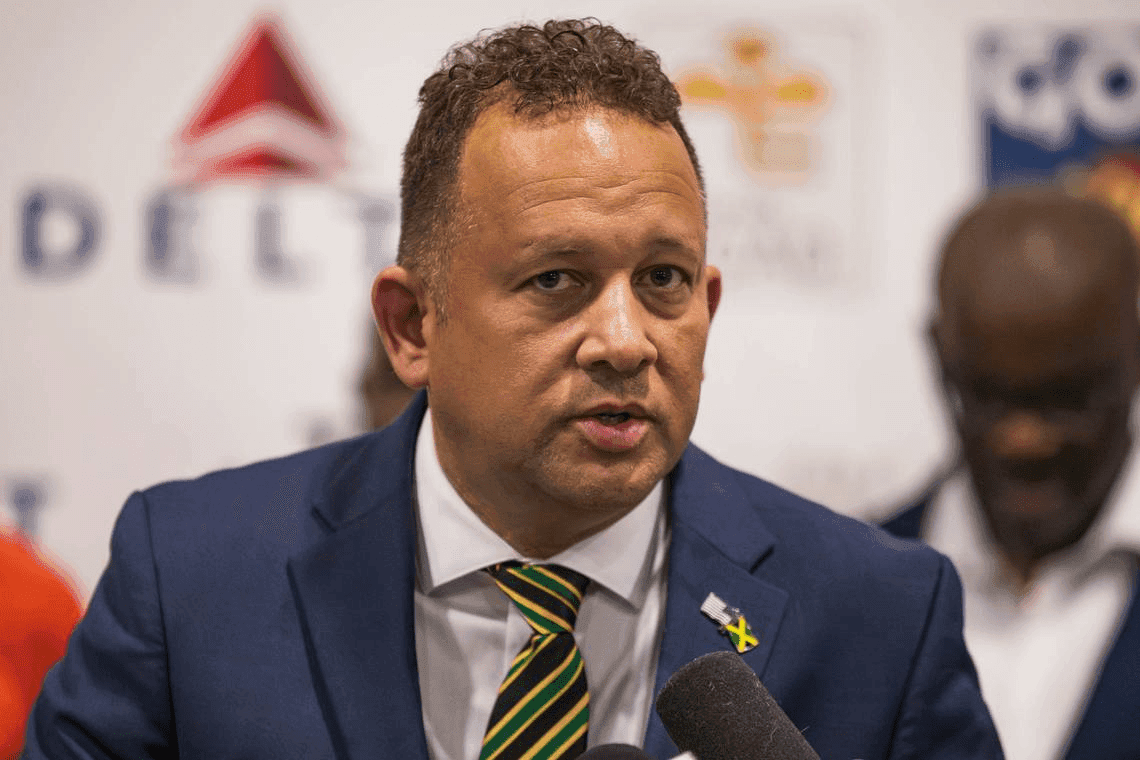
Wade’s deportation comes amid ongoing concerns about Jamaicans facing removal from the United States. The Jamaican government has not commented on this specific case, but Prime Minister Andrew Holness last year issued a message to nationals who may be deported.
“We understand that the shifting immigration policies in the United States have placed many Jamaicans in difficult and uncertain circumstances,” said Prime Minister Holness in June. “Let me be clear: Jamaica is your homeland. You are not homeless, and you are not stateless. This is your country, and we welcome you home.”
The Prime Minister also cautioned against returning to Jamaica with criminal intent.
“If your intent is criminal, expect to be dealt with firmly,” he warned. “Do not come back here to destroy your homeland or dismantle what we have been working very hard to create, so that you wouldn’t have had to leave in the first place.”
As deportations continue, local agencies have been working to support reintegration. In January, the Planning Institute of Jamaica (PIOJ) developed a handbook titled Living in Jamaica: A Guide to Services and Support, aimed at assisting involuntarily returned migrants and formerly incarcerated persons.
The guide addresses common challenges including securing housing, accessing financing, and obtaining counselling and social support. According to the PIOJ’s 2024 Economic and Social Survey Jamaica, 547 involuntarily returned migrants were received in Jamaica in 2024, with 59 per cent coming from the United States.