Jamaican-born theatre pioneer Yvonne Brewster OBE dies at 87
Key Points(5)
- She recalled a transformative visit to the Ward Theatre with her father to see Jean-Paul Sartre’s <em data-start="946" data-end="957">Huis Clos</em>: “And in it was Mona Chin, who I thought looked just like me.
- On her first day, she was told she was unlikely to find work in British theatre, yet she persevered, later attending the Royal Academy of Music and earning a distinction in drama and mime.
- Brewster married and returned to England in 1971.
- Several years ago, she and her husband settled in Florence, Italy.</p> <p data-start="1661" data-end="2131">Brewster returned to Jamaica in the 1960s, where she taught drama and co-founded the Barn Theatre in 1965 alongside playwright Trevor Rhone.
- As Jamaica’s first professional theatre company, the Barn became a crucible for local talent and a platform for storytelling rooted in Caribbean identity.
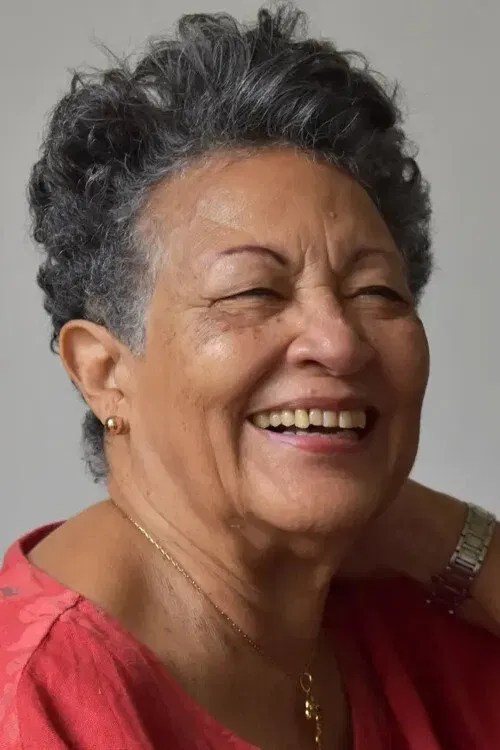
Yvonne Brewster OBE, the Jamaican-born actress, director, writer, and co-founder of two landmark theatre companies—the Barn Theatre in Kingston and Talawa Theatre Company in London—died on October 12 at the age of 87, according to reports.
A towering figure in theatre and television, Brewster spent her life expanding opportunities for Black artists, reshaping the narratives presented on stage, and mentoring generations of performers across the Caribbean and the UK.
Born on October 7, 1938, in Kingston, Jamaica, to an upper-middle-class family, Brewster’s love of performance was sparked at age 16. She recalled a transformative visit to the Ward Theatre with her father to see Jean-Paul Sartre’s Huis Clos: “And in it was Mona Chin, who I thought looked just like me. She was fantastic. I looked at this woman and I said, ‘Hey, Daddy, I want to be like her.’” That moment would set her on a path to becoming one of the most influential figures in Black British theatre.
In 1956, Brewster moved to the United Kingdom to study drama at Rose Bruford College, becoming the institution’s first Black female drama student. On her first day, she was told she was unlikely to find work in British theatre, yet she persevered, later attending the Royal Academy of Music and earning a distinction in drama and mime. Brewster married and returned to England in 1971. Several years ago, she and her husband settled in Florence, Italy.
Brewster returned to Jamaica in the 1960s, where she taught drama and co-founded the Barn Theatre in 1965 alongside playwright Trevor Rhone. As Jamaica’s first professional theatre company, the Barn became a crucible for local talent and a platform for storytelling rooted in Caribbean identity. Its productions provided a stage for emerging playwrights and actors, helping define Jamaica’s cultural landscape during a period of post-independence artistic exploration.
In the early 1970s, Brewster returned to the UK and quickly established herself across radio, television, and stage. She starred in the BBC drama Maybury in 1981 and served as Drama Officer at the Arts Council of Great Britain from 1982 to 1984, supporting emerging talent and shaping arts policy.
Her most enduring contribution came in 1985 with the co-founding of Talawa Theatre Company alongside Mona Hammond, Carmen Munroe, and Inigo Espejel. Talawa—meaning “small but mighty” in Jamaican patois—quickly became a powerhouse of Black British theatre. Under Brewster’s artistic direction, the company staged landmark productions, including C.L.R. James’s The Black Jacobins in 1986, starring Norman Beaton as Toussaint L’Ouverture, and the first all-Black production of Shakespeare’s Antony and Cleopatra in 1991, featuring Doña Croll and Jeffery Kissoon. Her productions were celebrated for bold casting, authenticity, and a deep respect for the cultural roots of the material.
Brewster’s influence extended beyond the stage. From 2000 to 2001, she appeared as nurse Ruth Harding on the BBC daytime drama Doctors, earning recognition for her commanding presence and dedication to her craft, even while dealing with health challenges in real life. She also chronicled her life and career in her memoir The Undertaker’s Daughter: The Colourful Life of a Theatre Director and edited several collections of plays, ensuring that Black voices in theatre were preserved and celebrated.
Her work earned widespread recognition. Brewster was appointed an Officer of the Order of the British Empire (OBE) in 1993 and received a living legend award from the National Black Theatre Festival in 2001. She was included in the 2003 list of 100 Great Black Britons, granted honorary doctorates, and named one of the BBC’s 100 Women in 2013. Throughout her career, she served as a mentor to countless actors, directors, and playwrights, leaving an indelible mark on both Caribbean and British theatre.
Yvonne Brewster’s passing is not only the loss of a theatrical pioneer but also the loss of a cultural bridge—someone whose work connected Jamaica and the UK, brought Caribbean stories to global audiences, and paved the way for generations of Black artists to follow their passions unapologetically. She is survived by her husband.
.png&w=1920&q=75)