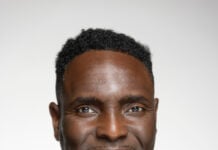
Jamaica’s first National Hero, Marcus Mosiah Garvey, remains a defining philosophical voice in the hemisphere’s ongoing struggle for racial equity and self-determination, according to Antony Anderson, Jamaica’s Ambassador to the United States and Permanent Representative to the Organization of American States.
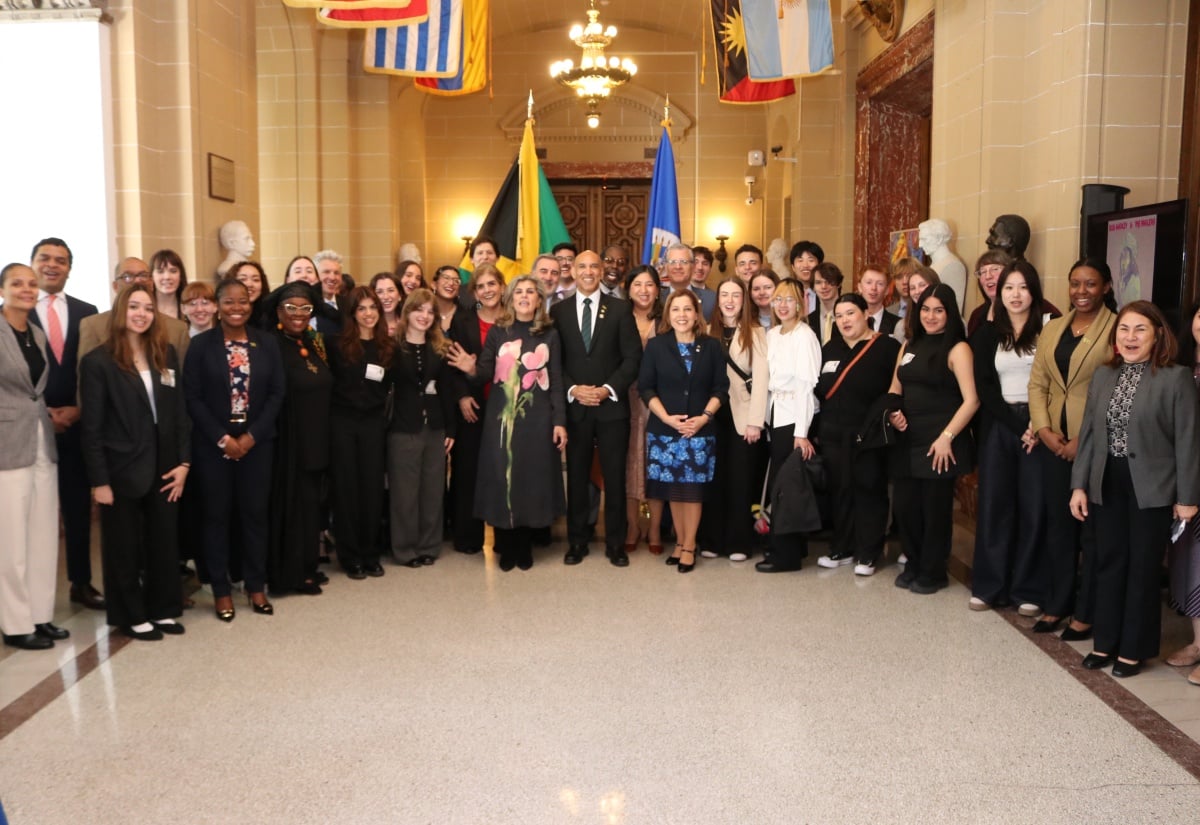
Ambassador Anderson made the remarks during a reflection on Garvey’s life and work, held on March 23 at OAS headquarters in Washington, D.C.. The event formed part of the Ninth Inter‑American Week for People of African Descent, observed from March 23 to 27 under the theme “Equality that Inspires, Freedom that Transpires, and a Hemisphere that Leads.”
The programme took place in the Gallery of Heroes and Heroines, located above the Marcus Garvey Hall of Culture, and brought together diplomats, civil society leaders, and OAS officials to reaffirm their commitment to advancing dignity and rights for people of African descent across the Americas.

Ambassador Anderson drew a direct connection between the observance’s theme and the life of Garvey, who was born on August 17, 1887, in St. Ann.
“This theme resonates deeply with the enduring struggles, aspirations, and achievements of people of African descent throughout our hemisphere. It also reflects the ideals and life’s work of one of the greatest sons of the Caribbean and the Americas,” Anderson said.
He highlighted Garvey’s role as founder and first President-General of the Universal Negro Improvement Association and African Communities League, widely regarded as the largest mass movement of people of African descent in modern history. Anderson noted that Garveyism — grounded in self-reliance, racial pride, economic empowerment, and unity across the African diaspora — influenced civil rights movements and anti-colonial thought throughout the Caribbean and Africa.
The ambassador also underscored the historic ties between Garvey’s legacy and the OAS headquarters. In August 1980, more than 700 people gathered at the building for the unveiling of a bust of Garvey in what was then known as the Hall of Heroes. The space was later renamed the Gallery of Heroes and Heroines, while the Marcus Garvey Hall of Culture was inaugurated in 2008.
“Jamaica expresses deep appreciation to the Organization of American States for these important and meaningful tributes, which ensure that Marcus Garvey’s vision and legacy continue to inspire generations throughout the hemisphere,” Anderson said.
He further linked Garvey’s philosophy to the global influence of reggae legend Bob Marley, noting that Marley carried Garvey’s message of self-determination to worldwide audiences. Anderson cited Marley’s famous call to emancipate minds from mental slavery as a reflection of Garveyite philosophy.
Ambassador Anderson reaffirmed Jamaica’s commitment to building societies rooted in equality, justice, dignity, and opportunity across the hemisphere.
“Let us carry its spirit forward, so that the ideals Marcus Garvey lived and fought for — dignity, self-determination, unity, and justice — are not confined to history but are built into the future,” he urged.
Also addressing the gathering was Laura Gil, who spoke of her personal appreciation for Garvey’s work and emphasised its continued relevance to the hemisphere and the OAS.
The programme featured a poetic recitation by Ian Edwards, who delivered Garvey’s poems “Freedom’s Noble Cause” and “Man to Man,” and an interpretive tribute by Claire Nelson, highlighting the importance of preserving Garvey’s teachings for future generations.
Among those in attendance was a group of students visiting from Washington University, further reflecting the event’s educational and hemispheric reach.