Data shows more Jamaicans in the diaspora choosing to return home
Key Points(5)
- An increasing number of Jamaicans living abroad are choosing to return home, according to the latest data from the Jamaica Customs Department.
- Provisional figures for 2023 show that 943 Jamaicans voluntarily returned to the island, a notable rise from 789 in 2022 and 867 in 2021.
- The majority of these returnees came from the United States (575), followed by the UK (162), Canada (131), and other locations (75).
- This trend suggests that more members of the Jamaican diaspora are seeing opportunities and benefits in resettling in their homeland.
- Economic improvements, family reunification, and a desire to reconnect with their cultural roots could be driving factors behind this growing movement.
An increasing number of Jamaicans living abroad are choosing to return home, according to the latest data from the Jamaica Customs Department. Provisional figures for 2023 show that 943 Jamaicans voluntarily returned to the island, a notable rise from 789 in 2022 and 867 in 2021. The majority of these returnees came from the United States (575), followed by the UK (162), Canada (131), and other locations (75).
This trend suggests that more members of the Jamaican diaspora are seeing opportunities and benefits in resettling in their homeland. Economic improvements, family reunification, and a desire to reconnect with their cultural roots could be driving factors behind this growing movement.
Meanwhile, the number of involuntary returned migrants has remained relatively stable, with 574 reported in 2023. The majority came from the United States (360), followed by other countries (140), Canada (45), and the UK (29). In contrast, involuntary returns stood at 568 in 2022 and 501 in 2021, a significant drop from 2019 when figures peaked at 1,051.
The Jamaica Customs Department notes that only one adult member of a returning family is required to register, which suggests the actual number of returnees may be higher than recorded. Additionally, no data was received from the Jamaica Constabulary Force’s Police Statistics Department for involuntary returned migrants, with estimates being calculated using data from 2020 to 2022.
There is no official data for 2024 yet or for the first three months of this year. In January, Jamaica's former ambassador to the U.S., Audrey Marks, said that some Jamaicans living illegally in the United States were seeking to return to the island voluntarily, due to the Trump administration's crackdown on illegal immigrants.
She stated that numerous individuals had been reaching out to the Jamaican Embassy for assistance in self-deporting to avoid the complexities and consequences of forced removal.
"A number of Jamaicans who are here and have overstayed on their visas, for example, are calling to say how can I get back home without going through a system of detention and having issues with their reputation..., and we are assisting them," Marks revealed during the monthly 'Let's Connect' town hall meeting.
'This is not the Jamaica you left'
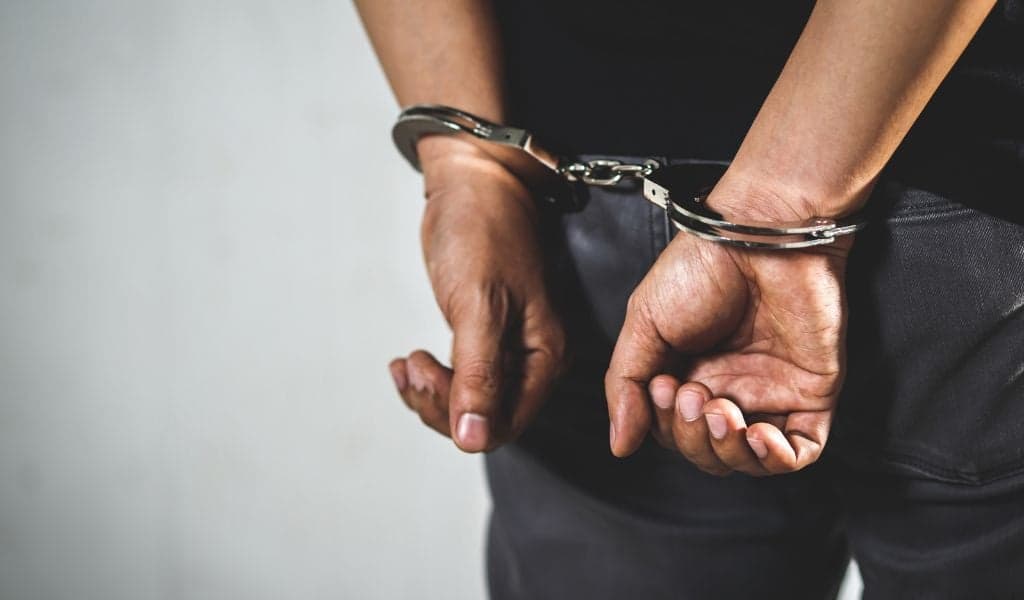
Earlier this year, Jamaica’s Prime Minister, Andrew Holness, issued a stern warning to involuntary returned migrants or Jamaicans in the diaspora who are scheduled for deportation from the United States, making it clear that those returning to engage in criminal activity will face severe consequences.
“For those Jamaicans who intend to come back with crime and violence to undermine what we have been building here, let me be clear to you that this is not the Jamaica that you left 10 or 20 years ago. It is not the JCF that you left 10 or 20 years ago. You will either meet a judge or your maker if you come back to Jamaica and violate our laws and create havoc,” Holness declared.
However, he encouraged those with good intentions to reintegrate into society and contribute to the country’s progress.
“Come back with a good heart and a good mind, come back willing to work, come back with your resources, you will be able to make life here,” he promised.
As more Jamaicans in the diaspora seek to return home, the government may need to enhance support systems to facilitate reintegration. With the trend of voluntary returns on the rise, ensuring economic opportunities and social stability will be crucial in sustaining this positive movement.
.png&w=1920&q=75)