The traditional graduation ceremony at the end of fifth form, or 11th grade, in Jamaica will be banned after next year, as the Ministry of Education officially launches its seven-year high-school programme, which will see high school students having to endure another two years of mandatory formal education.
As some Jamaican students returned to school after over one year of closure, the Ministry of Education released details regarding its Sixth Form Pathway Programme.
The program requires students who complete grade 11 to either attend sixth form for two years, attend a trade school for two years or go straight to university. Students, even when they have completed the 11th grade and attained Caribbean Secondary Education Certificate (CSEC) subjects, will not get a school-leaving certificate unless they complete the seven years of “secondary school”.

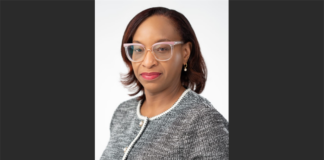
According to the island’s Minister of Education, Fayval Williams, the program is to better prepare Jamaican children for the working world.
“Students will be able to secure multiple qualifications within the two years and acquire college credits that will provide a head start in their tertiary studies,” she said. “For those who choose not to attend a tertiary institution, the certification they receive at the end of the Sixth Form Pathways Program will prepare them to enter various fields of work or receive further general or technical training.”
But the program has received some backlash from educators who believe that Jamaica’s education sector is not yet at a place where the ministry can implement such a program.

Linvern Wright, President of the Jamaica Association of Principals of Secondary Schools, said some institutions are not equipped to provide the technical education required.
“We know that a lot of the equipment in schools is really not up-to-date, run down,” he pointed out, suggesting that this was especially the case for schools that serve “the most vulnerable”.
“We are saying, the way it is being done, you’re really going to end up where you started,” Mr. Wright warned. He also believes more resources and adequate funding are needed for the programme to work.

Another educator, Mr. Jason Murray, a teacher at the Inswood High School in St Catherine, said that both teachers and students are still trying to play catch-up and make up for the learning loss suffered due to COVID-19.
“I understand and fully support the essence of the program, but it’s bad timing. Some students are just getting back into the classroom after basically one and a half years of being shut out. I don’t think the ministry fully grasps how much work it will take to make up for the loss over the last two years,” he told Caribbean National Weekly.
Murray says the government should place its focus on ensuring that students are even able to pass their exams this year, before introducing two additional years of formal education.
Concerns have also been raised by parents who may not have the financial resources to support their children through an additional two years of schooling, and by those who hadn’t planned on staying in Jamaica.
“The plan was for my daughter to finish high school in Jamaica – at fifth form, and then migrate. Now, they’re saying school doesn’t end in fifth form and she won’t get a certificate. Not everyone plans on staying in Jamaica after high school and this would set some children back,” said Maureen Daley, whose 14-year-old daughter currently attends the St. Hughs High School for Girls.
Another parent, Terrence said the plan was for his child to get a job after he graduated fifth form. “I understand why it’s good. It makes sense, but not every parent have the money. Sixth form was optional, university was optional, trade school was optional. Now they say “no, you have to”. Who gonna pay for it?,” he told CNW Network.
For her part, Minister Williams has defended the program, saying Jamaicans will have to accept the notion of mandatory seven-year high school, “something our law call on us to do some 57 years ago,” said Mrs. Williams.