A sustained real estate boom is sweeping across Jamaica, driven by strong demand from local buyers and members of the diaspora, alongside ongoing infrastructure upgrades that continue to reshape property hotspots across the island.
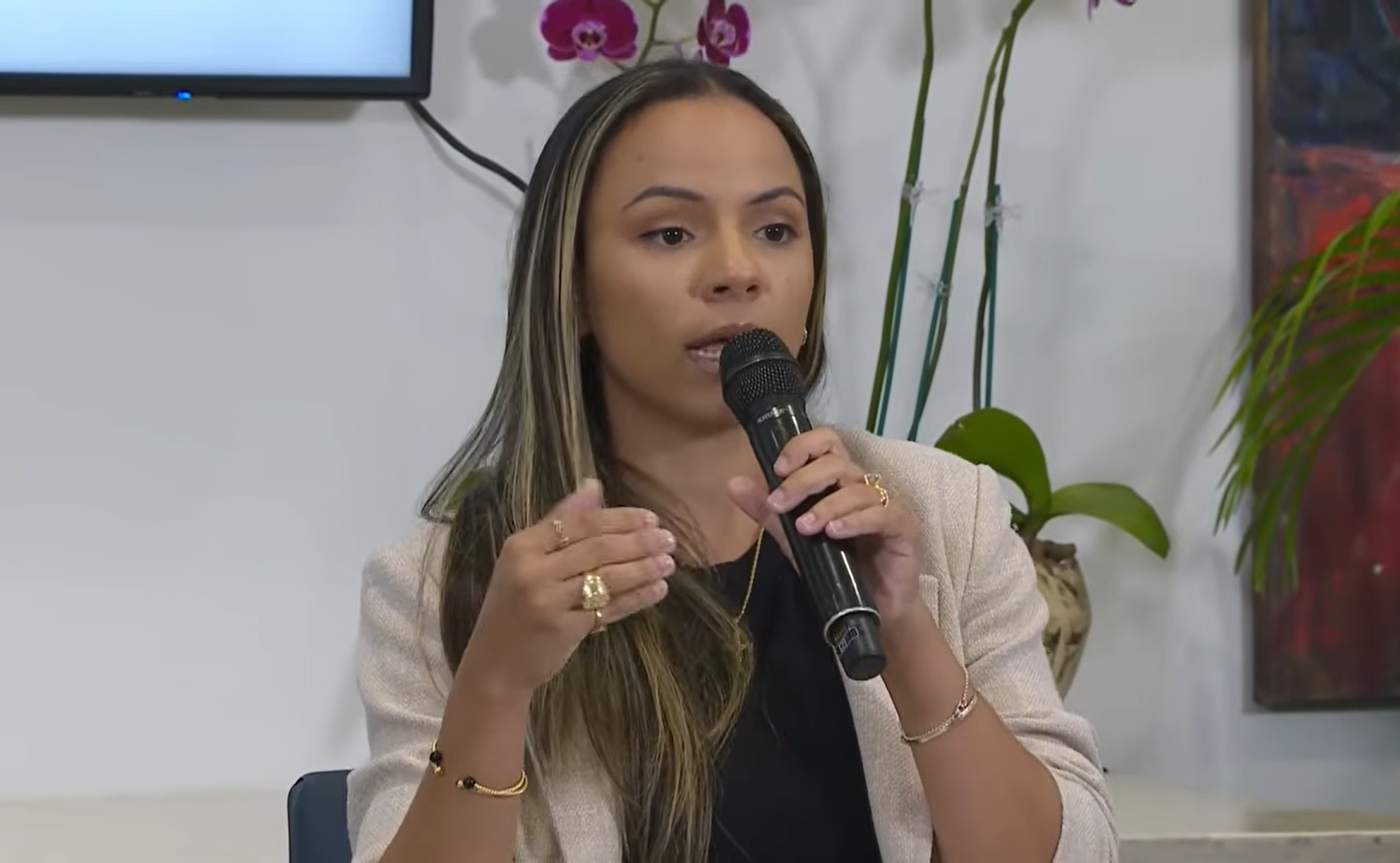
“We’re seeing the boom right across Jamaica, primarily driven by Kingston and St Andrew, of course, but also the connecting corridors – St Catherine, Clarendon, St Thomas, and then the North Coast has taken off for some time, so all across St Ann, a little bit of St Mary and Montego Bay is hot,” said Gabrielle Grant Gilpin-Hudson, president of the Realtors’ Association of Jamaica.
She was speaking at a recent property-focused webinar, Securing Your Piece of the Rock, hosted by the JN Group.

Gilpin-Hudson said demand has surged for apartments and standalone homes in gated communities, with road expansion and broader infrastructure improvements playing a key role in expanding access to previously less-developed areas.
“The area that you may have the most interest in will depend on your appetite, what you’re looking for and your lifestyle choices,” she said. “Are you looking to live, invest, vacation or retire?”
Mortgage broker and Wanica Purkiss Consulting principal Wanica Purkiss said younger members of the diaspora are increasingly active in the market, particularly those between 35 and 45 who are purchasing apartments and single-family homes that can serve both as investment properties and future holiday bases.
“You have persons within the age group 35 to 45 who migrated and are now working and are buying into the new apartments, and there is a wide cross-section of available units depending on what you’re looking for,” she said.
Purkiss noted that Manchester remains especially attractive to buyers from the United Kingdom, while interest is also growing along the St Ann to Trelawny corridor, where a range of property types is still available.
However, she said there has been a shift in what is on offer.
“The difference now is that space is not as before. They are much smaller units,” she said.
Amid rising demand, property experts are urging prospective buyers to take a more strategic approach to entering the market and to fully prepare for the financial and legal realities of homeownership in Jamaica.
Purkiss, a former mortgage executive at JN, said the process begins with disciplined savings, noting that upfront costs remain a critical barrier for many first-time buyers.
“In any transaction that you do you have to have a cash input into the property that you’re purchasing. You must have your deposit and other upfront and mortgage closing costs,” she said.
She also stressed the importance of due diligence, including title verification, property inspections, and maintaining strong credit and stable income before applying for financing.
Mortgage specialists further highlighted that financing options are available through institutions such as JN Bank and the National Housing Trust (NHT), though each operates under distinct eligibility criteria.
Dave Hanson, chief product officer for mortgages at JN Bank, said pre-approval is a key first step for prospective buyers.
“That pre-approval letter conveys that you are qualified and you’ll be able to afford the level of financing required,” he said.
He explained that applicants typically need to provide proof of income, employment verification, credit history and, in some cases, savings evidence for a deposit. He also cautioned that changes in financial circumstances can affect final mortgage assessments.
Dwayne Berbick, assistant general manager for corporate affairs at the NHT, encouraged borrowers to remain actively engaged throughout the process, noting that mortgage experiences are highly individualized.
“A mortgage is personal,” he said.
“One of the challenges individuals sometimes face is basing their expected mortgage experience on someone else’s reality, and so you need to have that relationship with your mortgage provider to be able to say, ‘this is my reality and this is how my circumstances have changed over the process or even from the beginning.’”
He added that differences in age, eligibility and borrowing capacity can significantly affect outcomes, even among applicants with similar profiles.
The webinar, held May 21 and hosted by the JN Group, was staged ahead of the 11th Biennial Jamaica Diaspora Conference, scheduled for June 14 to 18 at the Montego Bay Convention Centre in St James. The group is a co-chair and legacy sponsor of the conference.
Organizers said the session was designed to preview key themes that will be explored at the conference, based on recent research conducted by the Ministry of Foreign Affairs and Foreign Trade among members of the Jamaican diaspora worldwide.
The webinar drew hundreds of participants from the United States, United Kingdom, Canada, the wider Caribbean and other diaspora communities interested in retiring, relocating or investing in Jamaica.