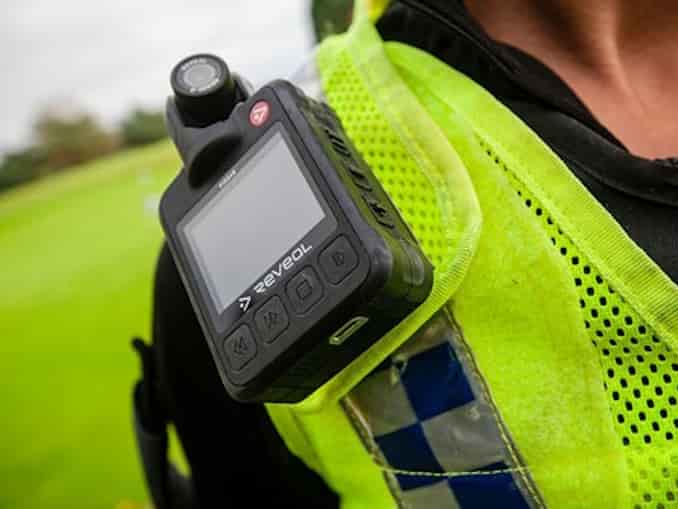
Jamaica’s Prime Minister Andrew Holness has reaffirmed the Government’s commitment to rolling out a fully integrated camera system across the Jamaica Constabulary Force, including body-worn cameras, patrol vehicle cameras, and expanded national surveillance infrastructure aimed at strengthening accountability and operational oversight.

The prime minister made the remarks during the 91st Staff and Junior Command Course graduation at the National Police College of Jamaica on Friday, following public concern over the killing of Latoya Bulgin and the handling of her body by law enforcement officers in Granville, St James.
Holness said the Government’s policy remains the full deployment of camera systems across policing operations, stressing that all appropriate police-citizen interactions should be captured through technological tools designed to improve transparency.

“The policy of the Government is to fully deploy camera systems for the police force,” he said, rejecting suggestions that body-worn cameras would not be universally implemented.
He added that approximately 1,000 body-worn cameras are already in use within the JCF, with a further 1,000 currently being procured as part of a phased national rollout.
Holness said the expansion is being implemented gradually to ensure supporting systems are in place, including training, broadband connectivity, secure data storage, and evidentiary management frameworks.

“We simply don’t have the resources to do it all at once,” he said, noting that full systemisation requires coordinated infrastructure and operational readiness.
He also said different operational environments may require different types of camera equipment, explaining that while body-worn cameras are suitable for many routine interactions, other tactical situations may require alternative formats.
“That does not mean such operations would not be covered by camera systems,” he said, adding that the goal is to ensure appropriate coverage without compromising officer safety or operational effectiveness.

Holness said the wider security transformation includes expanded CCTV coverage, integration with the JamaicaEye surveillance network, and the development of a modern command and control system to improve coordination across law enforcement agencies.
He added that patrol vehicles will also be fitted with in-car camera systems as part of the broader technology rollout, strengthening evidentiary capacity and oversight within frontline policing operations.
The prime minister said the reforms are designed to enhance public trust, improve accountability, and modernise Jamaica’s security architecture through greater use of digital tools and real-time monitoring systems.