Antigua and Barbuda is set to make Spanish its official second language under a new government policy aimed at expanding multilingual education and strengthening regional and international ties, according to a statement from the Cabinet.
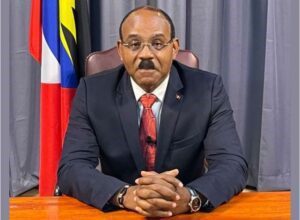
The announcement follows a weekly Cabinet meeting chaired by Prime Minister Gaston Browne, where officials approved a broad language and integration strategy that will see Spanish introduced as a core subject across the national education system.
As part of the policy, the Ministry of Education and Science and Technology has been instructed to restructure the curriculum at the pre-school, primary and secondary levels to embed Spanish instruction more deeply throughout students’ schooling.

Officials said the move reflects Antigua and Barbuda’s expanding engagement with Spanish-speaking countries and the need to equip future generations with language skills that can support education, diplomacy, tourism, trade and employment opportunities.
“The Government believes that strengthening Spanish language competency among citizens and residents will improve communication, regional integration, tourism, trade and workforce competitiveness, while enhancing Antigua and Barbuda’s capacity to engage more effectively with Spanish-speaking countries throughout Latin America and the Caribbean,” the statement said.
The policy also highlights long-standing cultural and social ties with the Dominican Republic, noting the contribution of the Dominican community to national development and growing people-to-people connections between the two countries.
Alongside the language reform, Cabinet approved a new Dominican Republic Integration Programme (DRIP), designed to deepen economic, cultural and institutional cooperation between Antigua and Barbuda and the Dominican Republic.
The initiative is expected to facilitate trade and investment flows, strengthen tourism and education collaboration, and provide more structured support for Dominican residents living in the country.
A key component of the plan includes the establishment of a Spanish Desk within the Office of the Prime Minister, intended to serve as a dedicated point of contact for Spanish-speaking residents seeking access to government services and assistance.
Cabinet said the desk will improve communication and community integration while supporting smoother engagement between government institutions and Spanish-speaking populations.
Officials described the broader policy shift as part of a wider effort to promote inclusion, regional cooperation and national development in an increasingly interconnected Caribbean and global environment.