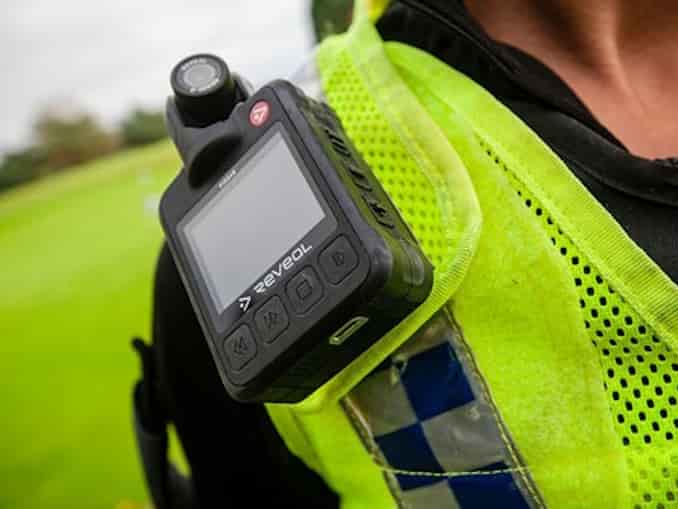
The Royal Cayman Islands Police Service says all frontline officers will be equipped with body-worn cameras by the end of July as part of efforts to strengthen transparency, accountability and modern policing standards.

The RCIPS said the phased rollout follows a successful two-year pilot program focused on internal policy development, judicial processes and operational requirements.
According to police, the body cameras will provide an objective audio and video record of interactions between officers and members of the public, helping to improve evidence gathering and support investigations.

Roje Williams, who is leading the project, described the initiative as a “transformative moment” for policing in the Cayman Islands.
“This technology serves as a digital witness that protects both our officers and the community,” Williams said, adding that strict guidelines are being introduced to ensure the devices are used ethically and consistently.
Police said the framework governing the use of body cameras will establish clear recording requirements for incidents such as arrests, searches and use-of-force encounters. Officers have also undergone instructor training to support the wider implementation of the program.

The RCIPS described the move as a major milestone in its commitment to professionalism and community safety.
Police Commissioner Kurt Walton said the introduction of body-worn cameras represents a significant advancement in building trust between the police and the public.
“This technology is not merely a tool for evidence gathering; it is a commitment to our officers and the public that every interaction is grounded in integrity and professional standards,” Walton said.

The RCIPS said additional engagement sessions will be held with the media, members of the public and external stakeholders in the coming weeks to increase awareness about the program.
Body-worn cameras are now widely used by police services internationally and are viewed as beneficial to both officers and civilians by providing documented records of police interactions.