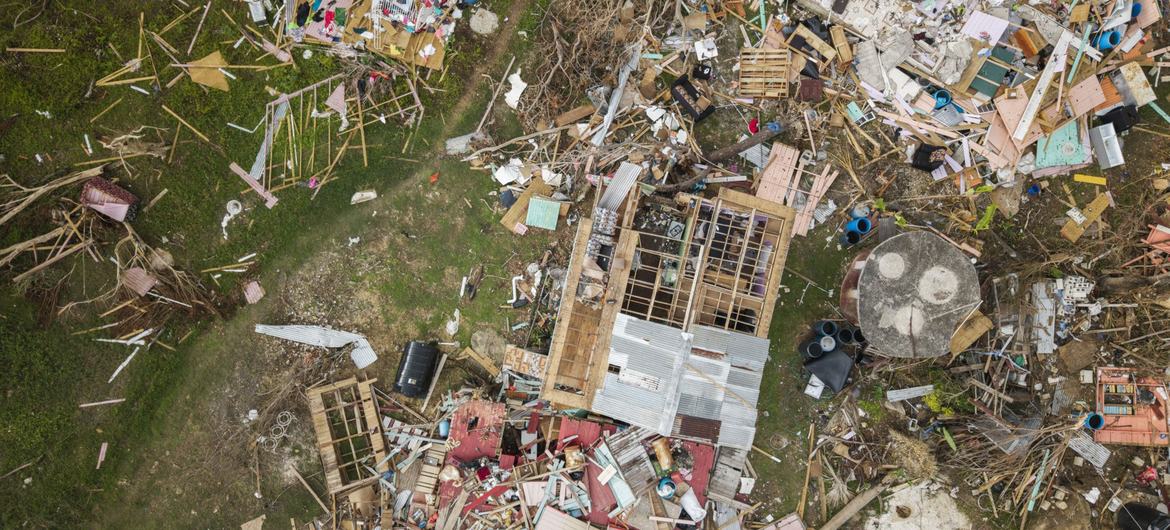
Caribbean governments have begun coordinated efforts to retrofit existing homes against increasingly severe hurricanes, flooding, and other climate hazards. The initiative, announced last week in Trinidad and Tobago, aims to scale up housing resilience investments across more than 15 Caribbean nations.
The strategy targets critical vulnerabilities. As hurricanes, flooding, sea-level rise, and coastal erosion intensify across the region, housing—often the most visible casualty of disasters—remains largely unprotected. By developing a shared regional approach, Caribbean countries can pool resources, reduce costs, and better protect millions of households from mounting climate risks.
The Inter-American Development Bank (IDB) and the Caribbean Development Bank (CDB), in partnership with regional governments, will develop a joint housing resilience investment programme. The initiative will combine home improvement grants and concessional loans with technical assistance, government-supported retrofits for homeowners unable to undertake the work themselves, skills training for workers and homeowners, support for home insurance, and strengthened institutional capacity for housing authorities.

Under a recently launched Regional Public Goods Technical Cooperation (TC) programme titled Home is Where the Hurt Is, the IDB will conduct primary data collection and systematic analyses of housing typologies and resilience gaps across several participating nations. Governments will use this data to develop a Regional Policy and Operational Manual for housing retrofits, establishing standardized approaches that can be replicated across the Caribbean.
“For Caribbean families, a home is not just shelter; it is a symbol of community, belonging, and economic security,” said Anton Edmunds, General Manager of the Caribbean Country Department at the IDB.
“We can no longer afford to address housing vulnerability in isolation. Pooling our resources and expertise to ensure that homes across the Caribbean are built to withstand mounting environmental pressures—and emerge stronger from future shocks—is critical. This cooperation is evidence of a shared commitment and regional solidarity,” he added.
The workshop brought together Ministers of Housing, Permanent Secretaries, and technical experts from more than 15 Caribbean countries to align on the roadmap toward a regional strategy.
L. O’Reilly Lewis, Director of Projects at the CDB, underscored the importance of coordinated action emerging from the discussions.
“There is an urgent need for a structured, regionally coordinated investment programme that not only addresses the technical challenges of retrofitting existing housing stock but also strengthens policy frameworks, financing mechanisms, and institutional capacity across our member countries. By sharing lessons from post-disaster reconstruction, advancing practical retrofit solutions, and aligning on financing pathways, we are laying the groundwork for scalable, sustainable resilience interventions that can protect Caribbean households for generations to come,” Lewis said.
The IDB and CDB will now work with participating governments to develop a joint investment operation aimed at systematically reducing recurring vulnerabilities in Caribbean homes, helping to ensure they serve as the secure havens they were always intended to be.