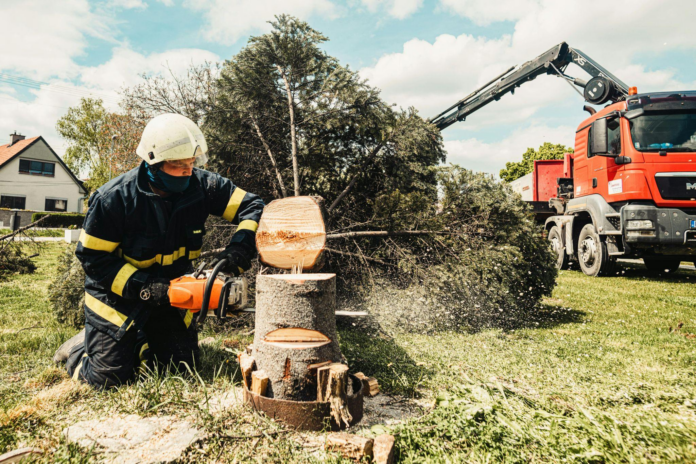
Homeowners in North Haven frequently ask about the true tree removal cost associated with taking down dead or hazardous trees. Removing a massive oak near a residential structure requires careful planning and significant financial investment. Knowing the exact baseline helps you avoid surprise charges when hiring a professional team.
Tree removal estimates generally range from $400 to well over $2,000, depending on multiple site-specific variables. Precision and safety protocols always dictate the final invoice. Understanding the local pricing structure protects your budget while ensuring your property remains completely secure during the entire extraction process.
Why Do Estimates Fluctuate So Wildly Across Town?
Every yard presents a completely unique set of challenges directly influencing the final quote. A simple sapling extraction in a clear front yard costs significantly less than dismantling a rotted pine leaning over a newly replaced roof. Companies evaluate risk before determining the required manpower.

Choosing a reliable service for tree removal in North Haven means paying for specialized expertise and liability protection. Professionals factor in municipal permit fees, disposal transportation, and seasonal demand. These elements combine to create a highly variable pricing model, shifting greatly from property to property.
What Factors Actually Drive Up Your Final Estimate?
Complex extractions require advanced planning and significant resources. Many property owners misunderstand how arborists calculate their final numbers. Specific site conditions determine the overall difficulty level. Here is a closer look at the elements involved:
How Size Impacts the Cost
Massive trunks demand extensive labor hours and specialized rigging techniques. A fifty-foot maple requires multiple crew members to safely dismantle the canopy piece by piece. Shorter species under thirty feet allow for quicker, safer ground-level cutting, dramatically reducing the overall labor time required.

Why Location Matters Immensely
Tight spaces between neighboring fences restrict easy access for heavy machinery. When limbs extend directly over power lines or delicate garden structures, crews must implement slow-lowering methods. Clear, open fields allow machinery to pull right up, making the entire operation vastly cheaper and faster.
What Equipment Is Necessary
Standard chainsaws are rarely enough for complex residential jobs. Heavy-duty cranes, wood chippers, and aerial bucket trucks carry massive operating costs. Bringing a crane onto a narrow suburban street requires specific permits and expert operators, which are added directly to your final billing statement.
How Can You Save Money Without Sacrificing Safety?
Consider scheduling projects during the dormant winter season. Local services often offer significant discounts when their schedules slow down between December and March. Hauling away the resulting debris yourself can shave hundreds off the initial quote. Simply ask crews to leave the cut logs behind.

Think of it like bringing a vehicle to the mechanic; finishing the basic prep work lowers the labor rate. Clear the driveway and yard of obstacles beforehand. Doing so allows the team to begin cutting immediately rather than spending expensive hourly time moving patio furniture.
What Is the Biggest Myth About Hiring Arborists?
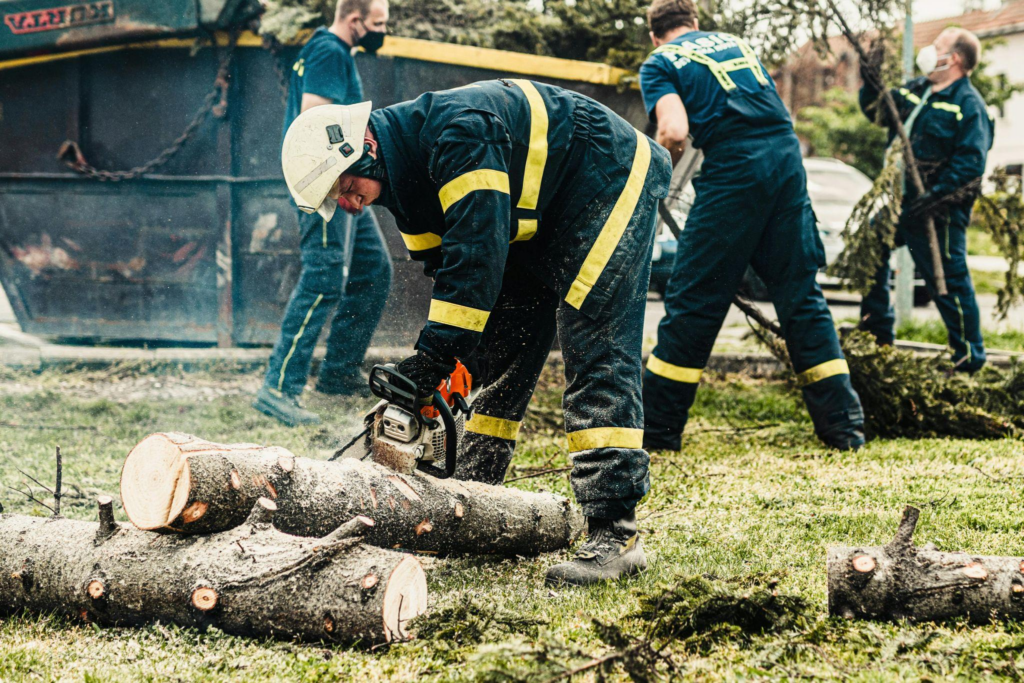
People frequently believe that fully insured means every possible accident gets covered without question. That false assumption ruins budgets. Many bargain contractors carry basic liability but lack specific worker compensation coverage. If an uninsured arborist falls on your property, you may be held legally and financially liable for their medical expenses and lost wages.
Always request a physical copy of their insurance certificates before allowing any machinery on site. Call the agency directly to verify the policy remains active. True professionals happily provide this documentation immediately. Cheap quotes often reflect a dangerous lack of comprehensive coverage, risking your assets.
Questions About Tree Removal Cost
Does stump grinding come included in the standard price?
No, stump removal almost always requires a separate machine and incurs an additional fee. Expect to pay an extra $50 to $300 for stump grinding, depending on the root system’s depth and the stump’s diameter.
Will my homeowner’s insurance cover a fallen oak?
Insurance typically covers the extraction only if the trunk lands on a covered structure like a house or garage. If it falls harmlessly onto the lawn, the removal cost falls entirely on the property owner.
Do I need a town permit to cut down foliage on my property?
North Haven regulations vary based on the specific location of the trunk. If the roots sit near the municipal right-of-way or public sidewalks, you must secure permission from the town before cutting begins.
How long does a typical removal project take?
A standard job usually finishes within half a day. Massive projects involving technical rigging or restricted access often stretch into a full eight-hour shift. Weather conditions and equipment reliability also play major roles in determining the final timeline.
Can I keep the woodchips for landscaping?
Absolutely. Most contractors gladly leave the resulting woodchips in your driveway because it saves them a trip to the local disposal facility. You gain free mulch for garden beds while slightly reducing the overall labor time.