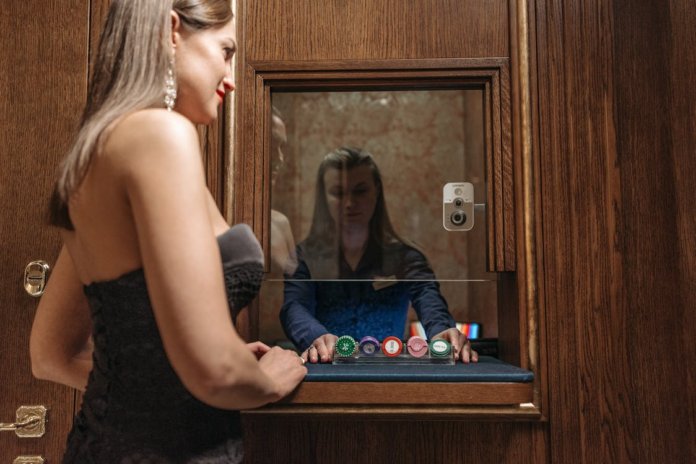
A game can start in seconds, and money can leave just as fast. That quick pace feels exciting, but it can also hide poor choices. Many players enjoy the ease and the thrill at first. Still, fun fades when gaming starts cutting into everyday spending.

That is why simple limits help from the start. Players using บาคาร่าเกาหลี may like smooth access and local currency support. Even so, easy payments should still come with clear personal rules. Gaming stays enjoyable when it fits inside a healthy budget.
Start With A Clear Spending Plan
A spending plan keeps gaming in its proper place. It should sit with other leisure costs, not with bills. That means food, rent, transport, and savings come first. Whatever is left can support fun without adding pressure.

Build Your Budget Around Real Expenses
A good budget starts with fixed monthly costs. Once those are covered, you can see what remains for leisure. The guidance from consumer.gov follows this same simple approach. It helps people track income, sort expenses, and stay realistic.
That method works well for gaming too. When you set a number early, you remove guesswork later. You also avoid pulling money from places it should never come from. That one habit can prevent a lot of stress.
Use Rules That Keep Spending In Check
A budget works better when it includes clear limits. Without rules, emotions can take over after a loss. Short pauses and simple caps often make better decisions easier. These steps keep the process simple and practical.
- Set a weekly or monthly gaming limit before your first session starts.
- Keep gaming funds separate from your main spending account if possible.
- Stop when you hit your limit, even if you feel tempted to continue.
- Never use money meant for rent, debt, food, or savings.
- Review your spending once a week so you can spot changes early.
Be Careful With Fast Deposits
Fast payments feel convenient, and that is part of their appeal. Still, speed can make spending feel smaller than it is. When money moves with one tap, people pause less often. That small pause can be the difference between control and regret.
Convenience Can Lower Your Guard
A familiar currency and smooth banking options feel helpful during play. Yet those same features can make repeated deposits feel normal. That is worth thinking about before every session begins. Ease is useful, but it should never lower your guard.
This issue shows up in other payment habits too. Recent reporting on currency volatility and micro deposit trends in Caribbean digital markets highlights how small payments can shape behavior. The same pattern can appear in gaming accounts with easy top ups. Small deposits can add up fast when nobody tracks them carefully.

Add Friction Before You Add More Funds
A short delay can help more than people expect. It gives you time to reset and think clearly. That space is useful after a loss or a rushed decision. It can stop a habit from turning into a pattern.
Here are a few ways players create that pause.
- Wait ten minutes before making any second deposit on the same day.
- Limit yourself to one deposit per session or one deposit per day.
- Log every transfer in a note app or budget sheet right away.
- Leave payment details off quick access tools if that helps slow you down.
Know When Fun Starts Affecting Daily Life
Most people do not plan to lose control. Problems usually grow through small choices over time. A person may chase losses, hide spending, or keep playing while upset. Those habits often show up before someone says there is a problem.
Money issues are often the first clue. Grocery cash feels tighter, savings stop moving, and bills feel harder to manage. Then the personal signs begin to show. Sleep slips, focus drops, and family time starts getting pushed aside.
Watch For Financial Warning Signs
These warning signs often show that gaming is taking up too much space. They can start quietly, which is why regular self checks help. A player does not need a major crisis to step back. Small signs still deserve attention.
- You spend more than planned more than once in a week.
- You deposit again to win back money you just lost.
- You hide gaming costs from family or from yourself.
- You borrow money or delay bills after a heavy session.
- You feel tense or guilty when you review your account activity.
Watch For Lifestyle Warning Signs
Money is only one part of the picture. Gaming can also affect routine, mood, and relationships over time. These changes may seem small at first. Still, they can build into bigger problems.
The same concern appears in wider conversations about online play. Coverage on the Caribbean iGaming industry shows how access continues to grow across many communities. As access grows, personal discipline becomes even more important. Knowing when to stop is often more useful than knowing how to play.
Put Safeguards In Place Before You Need Them
Good habits work best when they are ready early. People often set limits while calm, then ignore them when emotions rise. That is why built in controls help so much. They reduce the need to make hard choices during stressful moments.
Use Tools That Support Better Decisions
Deposit caps, timers, and cooling off tools can help keep things steady. These options work because they add structure before emotions take over. They do not solve everything on their own. Still, they make good habits easier to follow.
A simple weekly check can help too. Write down how much you spent, how long you played, and how you felt. Those notes can reveal patterns faster than memory alone. If the pattern looks tense, that is a sign to pull back.
Get Help Early If You Notice A Pattern
Outside support can help before things get severe. Reaching out early shows awareness, not weakness. The National Council on Problem Gambling advises players to set limits, avoid chasing losses, and treat gambling as entertainment. That advice stays practical because it focuses on daily habits.
Gaming should fit into life without creating money stress or family strain. A clear budget, short pauses, and honest self checks can keep things steady. When players respect their limits, fun has a better chance of staying fun. That is the balance worth protecting.