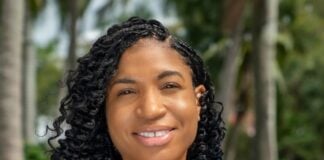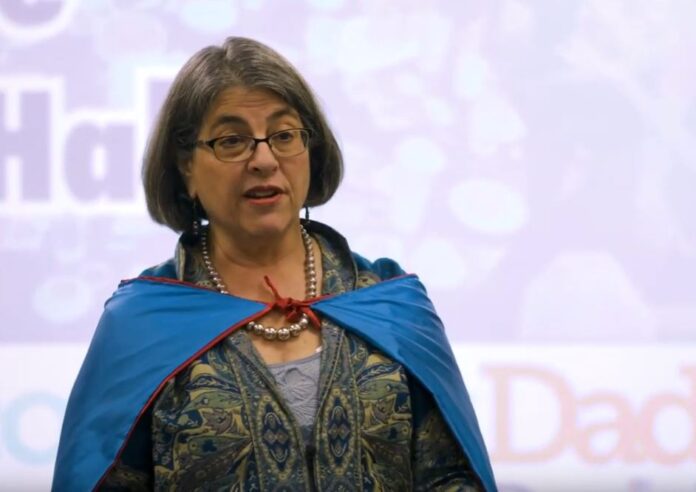
Miami-Dade County Mayor Daniella Levine Cava on Friday welcomed the announcement that 51 prisoners will be released in Cuba, while saying the move does not address broader concerns about people jailed for their beliefs on the island.

“For families who have waited years to see their loved ones free, this moment brings relief and long-awaited hope,” Levine Cava said in a statement. “But it does not change the fact that people in Cuba are still imprisoned for their beliefs. True justice will come when no one in Cuba is jailed for demanding their basic rights.”
The mayor said many families in Miami-Dade have relatives in Cuba who have faced repression for speaking out.

“Here in Miami-Dade, many families carry the stories of loved ones in Cuba who have suffered for refusing to remain silent,” she said. “We stand with the Cuban people and with the many families still waiting for the day when Cuba is free and its people can live without fear.”
Cuba’s government announced Thursday that it plans to release 51 prisoners in the coming days. The country’s Ministry of Foreign Affairs of Cuba described the move as an act of goodwill tied to its relationship with the Vatican, which has previously helped broker prisoner release agreements and diplomatic discussions between Cuba and the United States.
Officials did not identify the individuals slated for release, saying only that they have served a significant portion of their sentences and demonstrated good conduct while in prison. It was not immediately clear whether any political prisoners are included.
According to the nonprofit Prisoners Defenders, there were 1,214 political prisoners in Cuba as of February 2026.
Cuban authorities said the country has granted pardons to 9,905 inmates since 2010 and released another 10,000 people serving prison sentences over the past three years.
The announcement comes as Cuba faces mounting economic challenges and pressure from Washington. On Friday, Miguel Díaz‑Canel confirmed that talks have taken place with U.S. officials in an effort to address differences between the two countries.

“These talks have been aimed at finding solutions through dialogue to the bilateral differences we have between the two nations,” Díaz-Canel said in remarks broadcast on national television. He added that the discussions involved himself, former president Raúl Castro and members of the ruling Communist Party, though he did not identify the U.S. participants.