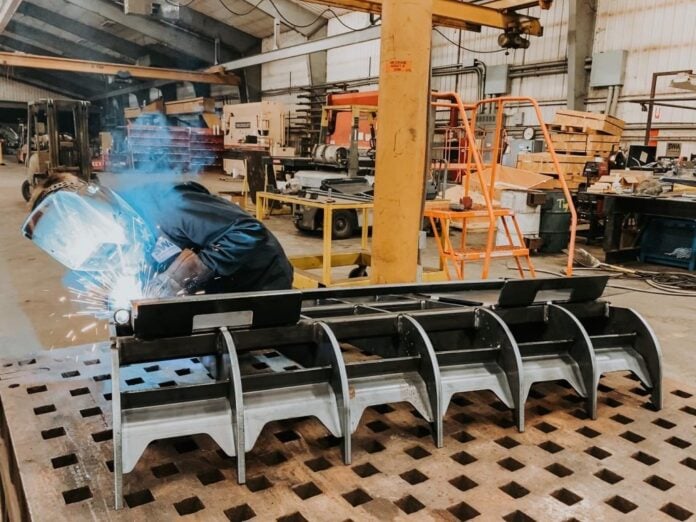
Selecting appropriate machinery forms the foundation of successful steel fabrication projects. With a multitude of tools available, making the best choices ensures productivity and safety. Careful equipment selection enhances efficiency, reduces waste, and supports quality outcomes. This post explores key factors and types of machinery relevant to steel fabrication, helping readers make informed decisions.

Understanding Project Requirements
Workshops frequently source High-quality steel fabrication machinery equipment to support demanding industrial operations. Each fabrication project has its own specific requirements. Equipment choices are generally based on project size, material thickness, and intricacy of the design.
For example, building big frames usually requires industrial machines, while complex work may necessitate specialized tools. Scrutinizing the project blueprint before procurement is crucial, as it saves the extra budget from being spent and ensures that the right resources are being utilized.

Material Considerations
There are different grades and thicknesses of steel, and each requires a different handling method. Easier workpieces require lighter-weight tools and softer alloys, while heavier materials require more robust machines. All these differences help teams pair machinery functions with material characteristics, thereby limiting stress on the machinery and reducing mistakes in the manufacturing process.
Cutting Equipment Selection
In steel fabrication, cutting is an essential step. This could be a plasma cutter, an oxy-fuel torch, or a mechanical saw. Plasma systems are appropriate for detailed, high-speed cuts; oxy-fuel torches are better suited for thicker sections. When running a long straight line, clean edges are best cut with mechanical saws. The selection of a cutter varies with material specification and the required finish.
Forming and Shaping Tools
Steel bending and shaping require heavy machinery. To change the steel’s profile, the most commonly used machines are press brakes, rolling machines, and power hammers. Press brakes are used for accurate bends, while rolling machines produce smooth curves. For repetitive forming tasks, using a power hammer instead of traditional hammering can dramatically speed up the process and is also very useful for mass-producing parts.

Welding Equipment Choices
Accurate joining of steel sections can only be achieved with reliable welding equipment. These include stick welders, MIG welders, and TIG welders. Stick welders are versatile for outdoor projects. TIG machines can handle thin or delicate materials because of their exceptional precision.
Finishing Tools and Accessories
Surface prep and finish affect the corrosion resistance and aesthetic quality of steel parts. Sanders, polishers, and grinders are used to remove bumps and ridges, resulting in a more finished product. Paint sprayers and protective coating applicators promote the durability of steel structures by protecting them against corrosion. Choosing good-quality finishing tools will provide you with the best appearance and strength.
Safety Features and Ergonomics
The most critical aspect of any fabrication shop is safe operation. Using machines with safety guards, emergency stops, and appropriate controls is good practice that helps keep people safe in machines. Ergonomic designs reduce operator fatigue and ensure consistent output. Invest in safe and comfortable equipment to protect your people and keep the project moving.

Maintenance and Reliability
Equipment durability relies on proper maintenance and high-quality construction. Maintenance points for quick service and parts made to last minimize downtime. Good suppliers usually offer manuals and support services, simplifying maintenance. Tools last longer when regularly maintained, which helps ensure a smooth workflow and saves money.
Budget and Cost Efficiency
The final selection balances quality against price. Investing in advanced machinery can help increase productivity and profitability, but overspending will put the budget under strain. Weighing upfront costs against long-term benefits helps inform the decision. Equipment rental is another option for flexibility, not a large upfront investment, and ideal when it comes to short-term projects or certain specialized work.
Training and Skill Requirements
Appropriate utilization of the device depends upon the ability of the driver. So, some of the machines are instantly usable; others are teeming with data and require advanced training. Providing sufficient training and resources helps employees to utilize each tool safely and effectively. When personnel use available materials, they can minimize mistakes and improve quality.
Conclusion
Choosing the appropriate equipment is crucial for steel fabrication projects. Fabrication teams can optimize performance while protecting safety by taking project demands, material attributes, and operational needs into account. Reliable machinery is crucial for achieving quality results, and even the most efficient tools and devices are ineffective without an expert operator to drive manufacturing success and foster sustainable growth. Select tools wisely, and process-efficient and successful fabrication generation starts here.