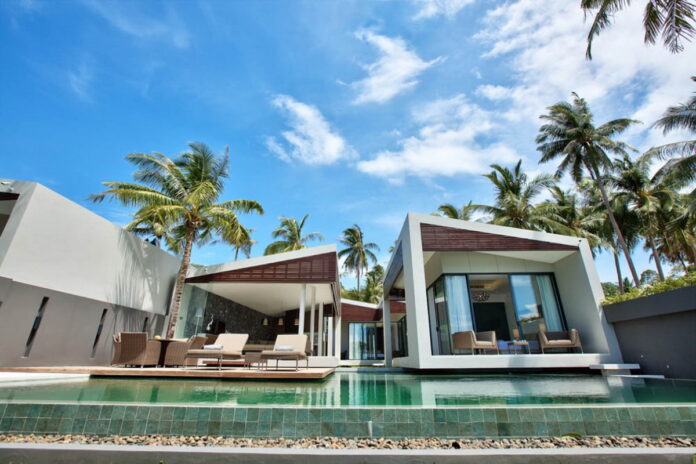
Thailand-Real.Estate introduces buyers and investors to a market that rarely moves in a straight line. It expands, cools, recalibrates and then expands again. Skyscrapers redefine Bangkok’s skyline while, hundreds of kilometers away, hillside villas in Phuket quietly appreciate on the back of global tourism flows. This is not a speculative playground. It is a layered ecosystem where infrastructure, foreign demand, local financing and lifestyle migration intersect.
Introduction: A Market That Absorbs Shocks
Thailand’s residential sector has developed a reputation for durability. Price growth has been steady rather than explosive. Yields remain attractive compared to many mature markets. Urbanization continues. Tourism has regained momentum. Remote work has altered rental demand patterns.
Foreign investors approach Thailand buying property with strategic caution, aware of ownership caps and structural nuances. Domestic buyers, meanwhile, benefit from relatively accessible mortgage rates and an expanding development pipeline. The result is balance. Activity without frenzy. Growth without panic.

Market Snapshot: Controlled Acceleration
Recent data shows a market that is moving, but not overheating.
Price Momentum: In Q2 2025, the Nationwide Residential Property Price Index rose by 2.71 percent year on year.
Single detached houses increased by 2.64 percent.
Townhouses outperformed, recording 4.88 percent annual growth.
Incremental. Consistent. Broad based.
Regional Variance: The South led with 5.48 percent year on year growth, fueled by resort destinations and international demand.
The North recorded a more moderate 1.84 percent increase, reflecting a different economic profile and buyer base.
Bangkok Condominium Pricing
Prime location still commands a premium:
- CBD average: THB 236,000 per sqm
- Suburban average: THB 127,000 per sqm
Location remains the decisive variable. Proximity to transit lines, business districts and lifestyle clusters continues to define pricing power.

Pricing By Property Type: Segmentation In Action
Different property categories respond to different buyer psychologies. Investors calculate yield. Families evaluate space. Lifestyle buyers weigh privacy and proximity to nature.
Residential Pricing Overview
| Property Type & Location | Price Range |
| Flats in Bangkok | THB 100,000 to 150,000 per sqm |
| Villas in Pattaya | $150,000 to $250,000 |
| Luxury Apartments in Phuket | $200,000 to $400,000 |
| Houses in Thailand Avg. | THB 3.64 to 5.09 million total |
| Average Price per sqm | THB 144,832 per sqm |
Average Condo Economics
Across major urban centers, condominium prices average around THB 150,000 per sqm, approximately $4,300. Rental yields typically range from 5 to 7 percent annually.
Compact, centrally located units often achieve the strongest occupancy rates. Investors targeting efficiency rather than luxury frequently outperform those chasing pure prestige.
Detached Housing Metrics
Detached homes average THB 144,832 per sqm. A standard 100 to 125 sqm house generally falls between THB 3.64 million and THB 5.09 million. Gated communities with shared amenities continue to attract stable family demand.
Early 2026 Recalibration
At the beginning of 2026, median condominium prices in Bangkok stabilized between THB 125,000 and 150,000 per sqm. After sharper increases in 2025, the market adjusted.
Mortgage costs steadied. Foreign inflows normalized. Developers moderated launch velocity.
This was not a downturn. It was alignment. A rebalancing between supply momentum and absorption capacity.
Why Investors Keep Looking At Thailand
There is no single catalyst. The appeal is structural.
- Rental Yield Stability
Urban apartments regularly generate 5 to 7 percent annually.
Coastal villas often exceed 6 percent, particularly in short term rental configurations.
- Tourism Elasticity
Phuket, Koh Samui and Chiang Mai benefit from diversified visitor sources. Even when one market slows, another often compensates. Short stay occupancy remains resilient in well positioned properties.
- Infrastructure Expansion
New mass transit lines in Bangkok. Airport expansions. Highway upgrades linking secondary cities. Infrastructure acts as a silent multiplier for land values near development corridors.
- Competitive Financing
Mortgage rates around 3 to 4 percent remain attractive within Southeast Asia. Affordable credit sustains domestic purchasing power and supports transaction velocity.
Regional Contrasts: Four Distinct Ecosystems
Bangkok
The nucleus. High rise residential towers in Sukhumvit and Silom blend residential, retail and workspace functions. Investors focus on transit proximity and tenant profile. Liquidity remains strongest here.
Phuket
Luxury oriented. International buyer driven. Villas with sea views and privacy command premiums. Rental strategies often combine personal usage with seasonal leasing.
Pattaya
Value positioning. Per sqm prices typically 20 to 30 percent below comparable Phuket properties. Established expatriate presence and improving infrastructure diversify the demand base.
Chiang Mai
Cultural depth meets modern condominium supply. Digital nomads, retirees and regional professionals drive rental demand. Yields above 6 percent are achievable in carefully selected projects.
Legal Architecture: Structure Before Sentiment
Thailand is accessible, but not unregulated.
Foreign Ownership Framework
Foreign nationals may own condominium units freehold, subject to a 49 percent foreign ownership cap within the building. Direct land ownership is restricted. Leasehold structures or joint venture arrangements are commonly used alternatives.
Due Diligence Essentials
Title verification. Zoning compliance checks. Developer licensing review.
Skipping these steps introduces unnecessary risk.
Transaction Costs
| Fee Type | Typical Rate |
| Transfer Fee | 2 percent |
| Stamp Duty | 0.5 percent |
| Withholding Tax | 1 percent |
| Business Tax | 3.3 percent |
Allocation of these costs can vary by agreement and property holding period.
Professional Representation
Licensed legal counsel and reputable agents provide structural clarity. Contracts must be precise. Escrow arrangements must be transparent. Registration must be verified.
Technology Reshaping Transactions
More than 80 percent of prospective buyers begin online. Digital discovery is no longer supplementary. It is primary.
Developers integrate:
- 3D virtual walkthroughs
- AI powered inquiry handling
- Automated lead qualification systems
Blockchain based title registration pilots are being tested to increase transparency and efficiency. Adoption is gradual, but intent is clear.
Conclusion: Measured Confidence
Thailand’s property market is not speculative chaos. Nor is it stagnant. It is segmented, adaptive and infrastructure supported.
Urban apartments deliver reliable yield. Coastal villas provide hybrid lifestyle and income strategies. Secondary cities offer entry pricing with upside potential tied to regional development.
For investors evaluating properties for sale in Thailand, the opportunity lies in precision. Micro location selection. Demand mapping. Legal structuring. Financing optimization.
Thailand does not reward impulsive buying. It rewards informed positioning within a market that continues to evolve, layer by layer, cycle by cycle.