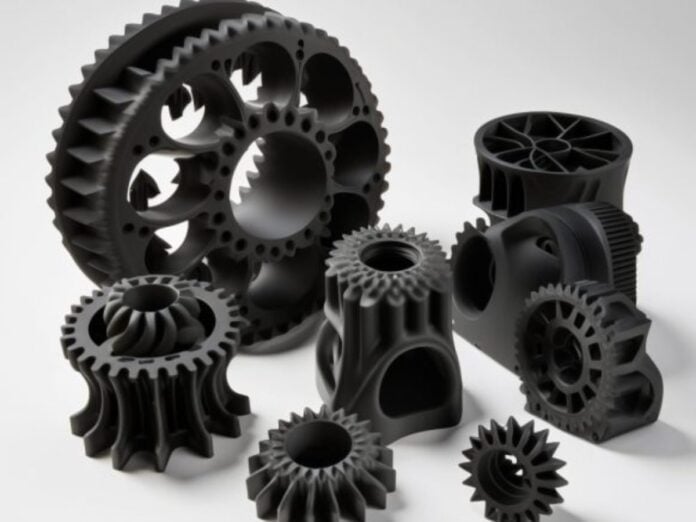
Carbon additive manufacturing has become a key process in modern production. It provides essential advantages regarding both cost efficiency and environmental responsibility. Many industries now consider this technology a crucial tool for improving their operations and reducing their environmental impact. This article explores how carbon additive manufacturing supports sustainable practices and brings financial advantages to companies.

Lower Material Use and Waste
Manufacturers improve production with advanced carbon additive manufacturing solutions for precision builds. In traditional manufacturing, it is common to use more material than is required, resulting in significant waste. Carbon additive manufacturing processes generate much less waste by using only the necessary resources. Aside from conserving raw materials, this method reduces disposal costs. Less waste contributes to a cleaner environment by reducing the need for landfill space.
Energy Efficiency in Production
Traditional manufacturing methods tend to be very energy-intensive, particularly when they involve heavy machinery or metal melting! Carbon additive manufacturing typically operates at a lower temperature and power level. This energy-efficient benefit translates to lower utility bills for businesses. After all, these savings can grow substantially over time, keeping production costs down and the strain on the environment to a minimum.

Shorter Supply Chains
Transport over long supply chains requires more transport and thus results in more emissions. It gives producers the ability to make them partially on-site and sometimes even in places of use near them. By minimizing the necessity of shipping from long distances, fuel and pollution are reduced. Having a manufacturing center closer to customers also means shorter delivery times, enabling businesses to meet their customers’ demands quickly.
Customization Without Extra Cost
Customized items take special tools or molds to be created, which can also end up being quite costly. With carbon additive manufacturing, since all it requires is a software change, you can quickly make changes to the design itself, based on the required applications, without any additional hardware. Such flexibility enables companies to provide industry-customized products at zero extra costs. Businesses save time and money, and customers get creative solutions.
Lightweight Components
While it can create lighter parts, this approach has specific weaknesses. Lightweight components help reduce fuel consumption, particularly in transportation use cases. Reduced fuel consumption means lower operating expenses and less pollution. In the longer term, this shift helps ensure cleaner air and healthier communities.

On-Demand Manufacturing
Holding extensive inventories locks up cash and increases storage costs. Carbon additive manufacturing caters to on-demand production, which will save warehousing space. This advantage allows businesses only to create components when needed, reducing surplus inventory. This aspect keeps operations lean and adapts very well to market changes.
Recyclable Materials
Most processes already use recyclable or biodegradable materials, which complements a sustainability agenda. Companies that opt for sustainable inputs help reduce the total carbon footprint. Furthermore, reusing materials helps us avoid relying solely on new resources and preserves natural habitats. Recycling is a big commitment that will improve a company’s reputation and also help conserve the world we live in.
Reduced Tooling Needs
Traditional approaches often rely on costly, resource-intensive tools. Carbon additive manufacturing minimizes or eliminates the need for such equipment. Fewer tools mean lower maintenance and replacement costs. Companies can channel these savings elsewhere, thereby contributing to growth and innovation.

Faster Prototyping
Additive methods enable rapid, easy prototyping. Rapid testing allows businesses to detect design defects early, helping save time and cost. It naturally helps companies reduce time to market and, hence, increases competition among manufacturers. It also helps ensure early detection of issues, resulting in safer, higher-quality products.
Positive Environmental Impact
Reducing material waste, energy use, and emissions all contribute to a healthier environment. These benefits help companies meet regulatory requirements and customer expectations for sustainability. Businesses adopting these practices demonstrate leadership in social responsibility. This proactive approach builds trust and long-term value.
Conclusion
Modern industries can experience a new level of cost and sustainability benefits through the use of carbon additive manufacturing. The combination of increased productivity, energy savings, and reduced emissions makes carbon additive manufacturing both profitable and environmentally sustainable. By leveraging this technology, businesses are positioning themselves for sustainable success and contributing to the development of better communities. By adopting these innovations, companies will fuel future growth and shape a sustainable future for all.