



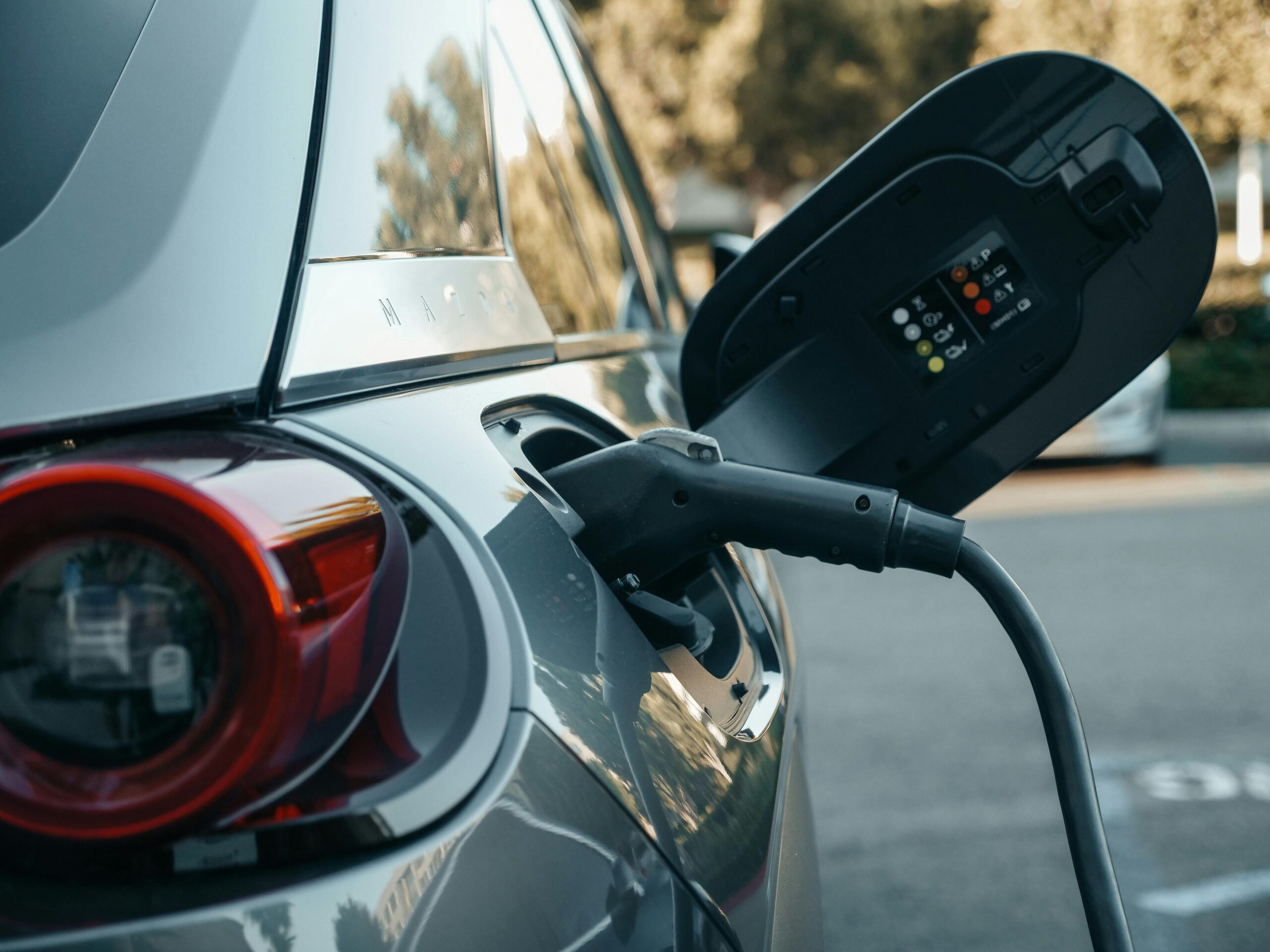
Electric vehicles (EVs) are transforming how people drive. Families across the Caribbean are starting to explore this new option. The appeal comes from lower fuel costs and a cleaner environment. Many also see EVs as a symbol of progress.
One important part of owning an electric vehicle is charging access. Families need to know where and how to charge their cars. Popular brands like Tesla have shaped global conversations on electric mobility. Their presence has influenced how households think about EV ownership.
That is why many drivers consider Tesla charger installation as a smart first step. It ensures convenience at home and makes EV ownership easier. Having a reliable charger available in your own garage helps to remove range anxiety.

Families will also benefit from understanding energy costs, charging times, and maintenance savings. EVs bring both opportunities and challenges to households. This blog post aims to highlight what Caribbean families should know before making the switch.
The Rise of Electric Vehicles in the Caribbean
Electric vehicles are gaining popularity worldwide, and the Caribbean is steadily joining this transition. More households in the region are beginning to see the cost savings and environmental advantages that come with owning an EV. Lower fuel costs, fewer maintenance demands, and cleaner air are powerful motivators driving consumer interest.
Governments and energy organizations are also promoting electric mobility. Some islands are offering tax breaks and import duty reductions to encourage adoption. These policies, combined with rising fuel prices, are creating favorable conditions for faster EV adoption.
By the end of 2023, the number of light electric vehicles in Latin America and the Caribbean reached 249,079 units. By the end of 2024, this number increased to 444,071 units. This represents a 187% increase in just one year. Growth was especially strong in the second half of 2024, when integration rose by 78% compared with the first half.
These figures, published by the Latin American Energy Organization (OLADE), confirm that the region is progressing rapidly toward electric mobility. These findings suggest that Caribbean families should prepare for a transportation future where EVs dominate sooner than many expected.
Understanding the Costs of Switching to EVs
The financial side of owning an electric vehicle is often the biggest concern for families. EVs generally cost more upfront compared to gasoline cars, but they make up for it over time. Lower fuel expenses and reduced maintenance help to balance the investment. Families who look beyond the sticker price can see long-term value.
Governments across the Caribbean are introducing tax incentives and import duty reductions for EV purchases. These policies aim to reduce the entry barrier for households. When families consider lifetime costs instead of short-term expenses, the benefits become clearer.
The Global EV Drivers Alliance (GEVA) recently conducted the first worldwide survey of more than 23,000 EV drivers in 18 countries. The results showed that 92% of EV owners plan to buy another zero-emission vehicle. Only 1% said they would return to gasoline or diesel cars, while 4% would consider a plug-in hybrid.
Lower operating costs were the top motivation, followed by climate impact. The survey confirms that families everywhere can expect both financial savings and environmental benefits when choosing electric vehicles.
Charging Options for Caribbean Households
Charging remains a key factor for families considering electric vehicles. While public charging networks are growing, they are still not available everywhere. For this reason, having a dependable home charging setup becomes very important. Households should review their options before buying an EV to ensure both convenience and peace of mind.
ChargerPro notes that Level 1 charging uses a standard 120V outlet and provides 2 to 5 miles per hour. Level 2 charging runs on a 240V circuit and works best when hardwired into the home system. Level 3, also called DC Fast Charging, is the quickest option for Tesla vehicles. These charging levels give families flexibility based on daily needs.
According to a survey by J.D. Power, more than one-third of EV owners (35%) always schedule home charging, while 49% do not use scheduling at all. Among those who schedule, satisfaction is higher when using the vehicle’s mobile app (739) compared to the charger’s app (706). This shows that convenience and user experience play a big role in how families view charging. The survey confirms that effective planning and the right tools can make home charging far more satisfying.
Preparing for the Future of EV Adoption
Families, businesses, and governments must plan to fully benefit from the ongoing EV revolution. Without careful preparation, infrastructure gaps and policy delays could slow adoption. Preparing today ensures that EV growth is sustainable tomorrow.
Caribbean nations face unique challenges such as limited land space, heavy reliance on imports, and vulnerability to climate change. These factors make future planning essential. By aligning electric mobility with renewable energy and resilient infrastructure, island states can strengthen both their economies and their environment.
According to the United Nations in the Caribbean, Caribbean island nations are already taking bold steps toward this future. Barbados has electrified nearly 90% of its buses, while Grenada grants full tax concessions on EVs and chargers. Saint Lucia has set a target of 30% electric vehicle sales by 2030.
Transport contributes 38% of carbon dioxide emissions in Latin America and the Caribbean, highlighting the urgency. UNEP and partners are supporting these initiatives through technical support, financing, and regional forums. The evidence shows that coordinated planning can make the Caribbean a global model for sustainable transport.
Frequently Asked Questions
1. Are electric vehicles practical for daily driving in the Caribbean?
Yes, EVs are practical for daily driving if charging access is planned properly. Public stations are increasing but remain limited. Installing a home charger offers convenience. Families can manage daily needs easily. Careful preparation ensures EVs become a reliable option for Caribbean households. Families who plan early enjoy greater confidence.
2. How much maintenance does an electric vehicle require?
EVs are simpler to maintain than traditional gasoline cars. They eliminate the need for oil changes and have fewer mechanical components that can wear out. Regenerative braking also reduces strain on brake pads, extending their life. Owners mainly focus on tire care, battery performance, and software updates. With routine servicing, EVs remain dependable while keeping upkeep costs low.
3. Are electric vehicles affordable for Caribbean families today?
EVs have higher upfront prices compared to fuel cars. However, fuel and maintenance savings offset these costs over time. Incentives like reduced import duties help affordability. Home charging reduces operating costs further. Families should consider total ownership value rather than only the purchase price when deciding. Careful planning makes EVs accessible.
Caribbean families are entering a new era of mobility. Electric vehicles offer environmental benefits and long-term savings. However, planning is essential before making the switch. Families should focus on charging options, cost comparisons, and future government policies. By preparing early, households can enjoy smoother adoption and greater benefits. This shift will bring lasting rewards for generations.





 are transforming how people drive. Families across the Caribbean are starting to explore this new option.)