


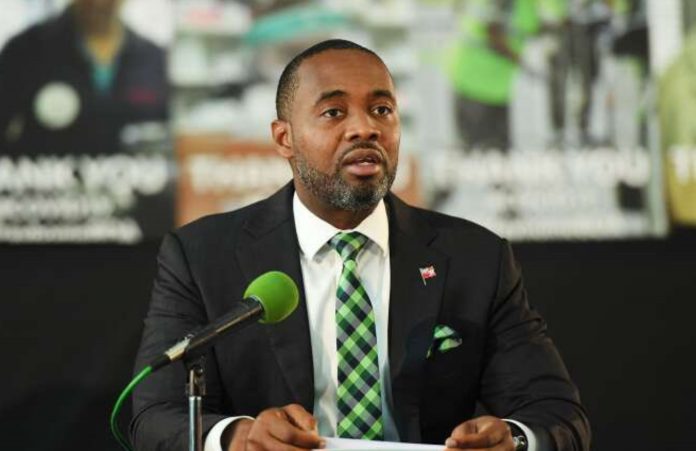
Starting April 1, Bermuda’s Members of Parliament (MPs) and Senators will see an 18.8% salary boost, the first such increase in 17 years, according to the Royal Gazette.

The raise, approved last week by the House of Assembly, aims to better align government salaries with the rising cost of living and the demands placed on public officials.
Premier David Burt emphasized that this adjustment would not only make political positions more attractive to the public but also reflect the increased workloads and responsibilities that come with serving in government. He acknowledged that salary hikes for elected officials often spark public skepticism but stressed that the raise is about fairness rather than financial gain.

“These adjustments aren’t about financial gain for members, but they are about fairness and recognition of the evolving roles and the increased demands for those who serve the public of Bermuda,” Mr. Burt said.
The pay increase follows recommendations made by the independent Salaries Review Board in November. Among the board’s suggestions were an additional $7,000 per year for MPs and a reversal of a voluntary 10% pay cut that Cabinet ministers took in 2011.
As a result of the increase, Senators will now earn $36,076 annually, while MPs will be paid $73,555. Salaries for other legislative officers will range from $3,625 to $184,152, depending on the role. The Premier and Deputy Premier will also earn higher salaries if they also serve as Minister of Finance.

New pay raise for key positions:
-
Premier: $184,152
-
Deputy Premier: $137,499
-
Minister of Finance: $158,245 (Part-time: $79,122)
- Advertisement -
-
Attorney-General: $178,990
-
Other Ministers: $122,768 (Part-time: $61,384)
-
Opposition Leader: $33,273
-
Speaker of the House: $100,841
-
President of the Senate: $16,634
-
Junior Ministers: $12,518
-
Government Whip: $12,518
-
Opposition Whip: $8,320
The last salary increase for ministers was in 2009, following a recommendation made in 2007. Mr. Burt explained that governance has become more demanding in an era of greater public scrutiny, and the expertise required to perform the roles has increased.
Despite the justification, Bermuda opposition leaders have criticized the timing of the raise. Opposition Leader Jarion Richardson argued that the salary boost should be postponed, noting the ongoing struggles many Bermudians face with rising living costs.
“The cost of leadership is that we eat last and that we put others before ourselves. That is sacrifice. That is solidarity,” Mr. Richardson said.
Shadow Finance Minister Douglas De Couto also expressed concern, suggesting that MPs are often taking on tasks that government offices should handle, like infrastructure work. He proposed creating allowances for MPs to fund such activities if the government believes this is part of their role.
However, Progressive Labour Party backbencher Lawrence Scott defended the increase, explaining that parliamentary salaries are crucial not only as an incentive but as a necessary safeguard for politicians, especially those who face potential job losses due to political affiliations. He shared his personal experience, claiming he would have been “destitute” without his parliamentary salary.
Mr. Scott also pointed out that some government positions, such as an assistant cook, offer salaries comparable to what MPs earn. Even with the pay rise, permanent secretaries and financial secretaries will continue to earn more than ministers.






 and Senators will see an 18.8% salary boost, the first such increase in 17 years.)