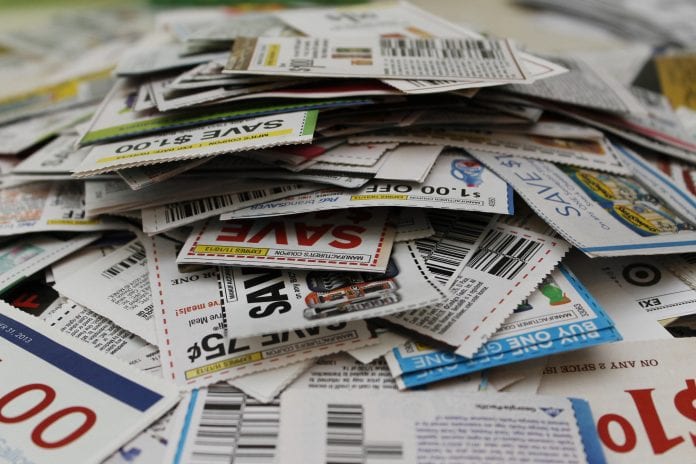
Consumers warned about fake Internet store coupons
Many South Florida shoppers got duped this past week, following the viral breakout of a false Publix Supermarket online coupon offering consumers $75 off purchases of $80 or more. This marks the latest in a recent surge of online coupon scams, says local fraud experts, with recent reports from several South Florida stores, including Kohl’s, Costco, Home Depot, Lowe’s, Best Buy, Macy’s, Olive Garden, Publix, Target, and Walmart.

Fake store coupons are becoming “increasingly widespread,” says Dillon Murphy, a West Kendall private website fraud investigator. As consumers struggle with domestic expenses, more store websites are being intercepted and fake coupons posted.
“Characters who post these fake coupons are not doing this to be creative, but to get information from people who use sites like Facebook and Twitter to provide personal information and also encourage their website associates to divulge their information,” says Murphy. “This is a dangerous source of ID fraud.”

He said when consumers click on the coupon link, it normally sends them to a “nefarious site” requesting to complete surveys with crucial personal information, which is then used fraudulently. These links also “often contain viruses,” says Murphy. Once the alternative site is visited, the thieves can get access and “nonetheless get the information they are seeking.”
Murphy suggests shoppers avoid any coupons that ask for information like Social Security, credit card numbers and other sensitive information, as “legitimate businesses would never ask for this information via the Internet.”
And when consumers see these “very tantalizing coupon offers, they should be doubtful,” suggests Murphy. Instead, he suggests that consumers call the company in question to confirm the coupon offer, or log off from the fake coupon and visit the company’s website for double verification.
“I really cannot understand why people fall for these scams. It is so unlikely a company will give away $75 or $100, when they are aggressively advertising for customers to spend money with them.”