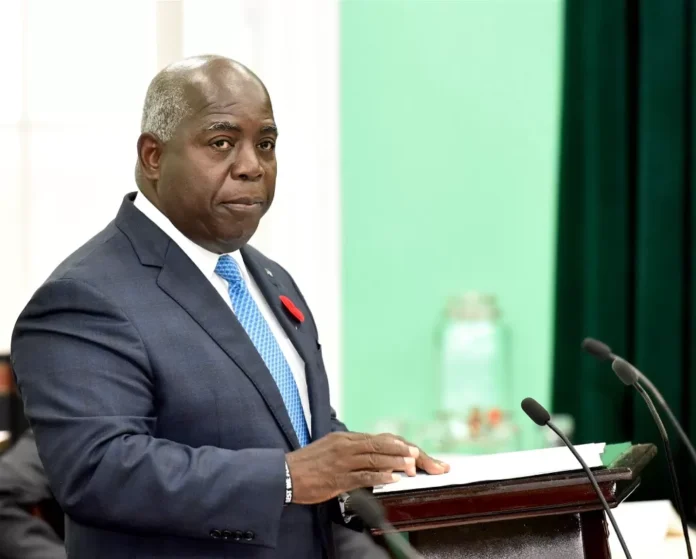
Bahamas Prime Minister Philip Davis has revealed that the Value Added Tax (VAT) on food sold in stores will be slashed by half, reducing the rate from 10 percent to 5 percent effective April 1.

The move, described as a measure to provide financial relief to Bahamians, was announced during a national address at the University of The Bahamas on Wednesday evening.
“Now that we have put the economy onto a stable, secure footing, we are able to ease the VAT rate to provide financial relief,” Davis said. He explained that the reduced VAT will apply to all food items sold in stores, including fresh produce, baby food, lunch snacks, and frozen goods. However, prepared foods sold in delis will not benefit from the reduced rate.

The Prime Minister emphasized that the VAT reduction will also apply to food imports, giving merchants and food stores time to adjust pricing structures before the April deadline.
Addressing economic challenges
Davis acknowledged the persistent struggles many Bahamians face due to the high cost of living, describing it as a “major source of hardship and frustration.” He highlighted the significant progress his administration has made since 2021, noting that the country’s GDP has grown by 31.4 percent, while the national deficit has been reduced from 13.1 percent to 1.3 percent.
“Just over three years ago, our economy was in shambles,” Davis remarked, reflecting on the state of the nation’s finances when his administration took office. “We fought to get our country removed from the blacklist, brought back old jobs, and created new ones. Despite the progress, far too many Bahamians are still struggling.”
The Prime Minister defended his administration’s economic decisions, noting that reducing VAT by 50 percent on food items will directly benefit those with the tightest disposable income. He reassured the public that the reduction would not derail the government’s fiscal targets for the year.
In addition to the VAT reduction, Davis announced upcoming legislation to combat anti-competitive practices in the marketplace. He stressed that a lack of competition contributes significantly to high living costs and that the new legislation aims to enhance consumer welfare by fostering competitive pricing and removing unfair trading practices.
New initiatives to empower consumers
To further assist Bahamians, Davis unveiled plans for a “Price Comparison App” designed to help consumers find the best prices across retailers. Initially focusing on the food sector, the app is expected to launch by the first quarter of 2025 and eventually expand to other sectors.

“When people have more information, they can make the choices that suit them best,” Davis said, adding that the app will empower families to make more informed decisions.
Trade diversification efforts
The Prime Minister also discussed the government’s ‘Trade Diversification Policy,’ aimed at reducing The Bahamas’ heavy reliance on U.S. imports, which account for 85 percent of the country’s imported goods. By expanding trading partnerships, Davis hopes to mitigate supply chain disruptions and reduce costs associated with intermediaries.
“Diversifying our sources will not only cut costs but also enhance our resilience to global market shifts,” he said.
The government’s announcement marks a significant step in addressing the high cost of living and promoting economic recovery, with Bahamians eagerly anticipating the benefits of the VAT reduction and related initiatives.