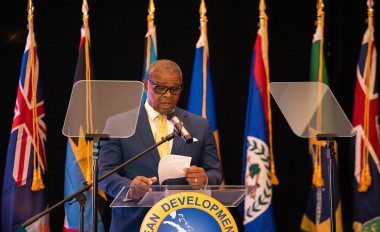
The House of Assembly in the Turks and Caicos Islands has voted to approve a series of draft constitutional amendments, marking a significant step towards enhanced autonomy and modernized governance. Premier Charles Washington Misick, who introduced the motion, praised the collaborative efforts that led to this historic decision.
“I want to express gratitude on behalf of the Leader of the Opposition and myself for the work done by the Attorney General,” Misick stated, recognizing the extensive consultations and public engagement that informed the amendments.
The proposed changes, outlined in the Turks and Caicos Islands Constitutional Amendment Order 2024, aim to strengthen self-governance while preserving the islands’ relationship with the United Kingdom. Notably, one of the key changes includes renaming the House of Assembly to Parliament, a symbolic move that reflects a more mature and empowered legislative body.

The amendments also extend the parliamentary term from four to five years, a move that aims to provide greater stability and continuity in governance.
The controversial issue of appointed members was also addressed, with the amendments abolishing these positions in favor of a fully-elected Parliament.
However, Leader of the Opposition, Edwin Astwood, while endorsing the overall package, expressed reservations about certain aspects, particularly the appointment of the Cabinet Secretary.
He argued for a system where the cabinet secretary is appointed by the Premier, ensuring alignment with the elected government’s agenda.
“This is the person who is following up on your agenda,” Astwood emphasised. “This hard core, functions of your cabinet. And for instance, Mr Speaker, imagine if you were the Premier and you come into office and you realize that the cabinet secretary was your ex-girlfriend, somebody who really hates you, hates your guts, and only wants to see you fail.”
He also cautioned against potential conflicts if the cabinet secretary were appointed by the Governor, drawing on historical examples of differing approaches between governors and elected officials.

The passage of these amendments is the culmination of years of cross-party consultations, community engagements, and negotiations with the United Kingdom.
It reflects a broad consensus on the need to modernize the islands’ governance framework and strengthen its democratic institutions.