The United Nations has called for the expedited deployment of international security forces in Haiti following a harrowing report that revealed at least 1,379 people were killed or wounded in gang violence, and 428 individuals were kidnapped in the country between April and June this year.

A new report from the UN’s office in Port-au-Prince warns that service providers in some areas of the Haitian capital are receiving an average of 40 rape victims a day. While the number of casualties from gang warfare has decreased recently, the quarterly review indicated a troubling rise in child recruitment into gangs and sexual violence.
Armed gangs have dominated most of Port-au-Prince since the assassination of former president Jovenel Moïse in July 2021. This chaos forced his successor, Ariel Henry, to resign in April this year after a wave of unprecedented violence paralyzed the nation.

Deployment of international police to Haiti
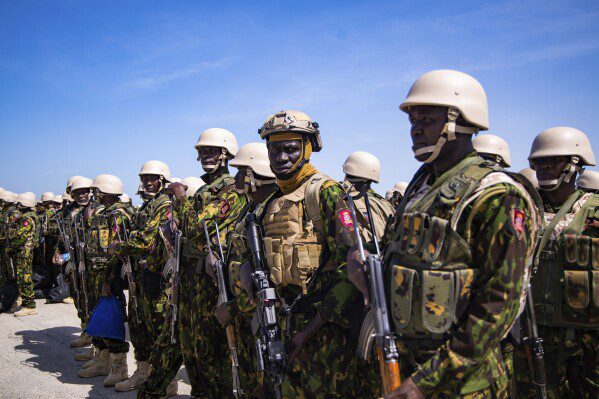
To address the anarchy and facilitate free elections next year, the UN deployed the first detachment of an international task force to Port-au-Prince on June 25. Haitian Prime Minister Garry Conille, a former gynecologist who assumed office on June 3, has vowed to use the 400 Kenyan police officers to reclaim the country “house by house.”
The new figures suggest that the chaos that engulfed the nation in April has somewhat subsided following Henry’s departure, with killings dropping by 45% in the three months since his resignation. However, street shootouts and human rights violations remain prevalent, particularly in Port-au-Prince, where 88% of the deaths and injuries were documented.
Armed gangs continue to besiege neighborhoods and kill civilians suspected of collaborating with the police or civilian defense groups. In one 11-day period, 128 people, including 13 children, were killed or wounded in Solino, a middle-class district where the powerful gang coalition Viv Ansanm (Live Together) clashed with a self-defense group for control. The report noted that while most victims were hit by stray bullets, others were targeted for their alleged support of the self-defense group.

The number of women and girls forced into prostitution and sexual relationships with gang members is also increasing, according to the report.
Countries such as The Bahamas, Bangladesh, Barbados, Belize, Benin, Chad, and Jamaica have offered to send forces to Haiti. However, the initiative has been delayed by domestic political opposition and a lack of funds. While the UN has raised $21 million, Kenyan officials estimate that their mission could cost up to $600 million.
The UN’s call for accelerated action underscores the urgent need for international support to restore stability in Haiti and address the humanitarian crisis exacerbated by the ongoing gang violence.