As Jamaica’s journey to remove King Charles as head of state and become a republic by 2025 progresses, the island is currently in the process of reforming its constitution.
Last year, Prime Minister Andrew Holness appointed 14 members of a Constitutional Reform Committee to discuss the necessary steps in transforming Jamaica into a republic including who the president, replacing the British monarch, will be, among other matters.
One issue that has sparked heated debate in Parliament recently is whether or not dual citizens, specifically those who have pledged allegiance to countries not part of the Commonwealth, should be allowed to sit in the Jamaican Parliament.

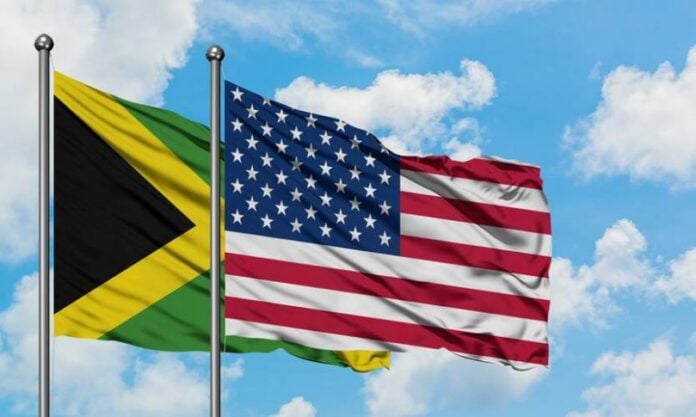
Under the current constitution, Commonwealth citizens (including those with dual citizenship) must reside in Jamaica for at least one year to be eligible for Parliament. But while Commonwealth passport holders can participate in general elections and serve as MPs or Senators, non-Commonwealth citizens with foreign allegiance (such as U.S. citizens) are barred.
Mark Golding’s proposal for dual citizens
Jamaica’s opposition leader Mark Golding has advocated for allowing Jamaicans with non-Commonwealth citizenship to seek political office, suggesting that diaspora members wanting to return and contribute should not be barred from eligibility.
“Jamaica has a large diaspora who provide tremendous support for our country in a variety of critical areas,” Golding argued recently.

“My view is that the better approach is for all Jamaican citizens to be eligible to sit in Parliament if they wish to serve, including Jamaicans who are dual citizens from non-Commonwealth countries. This will benefit Jamaica by further expanding the available talent pool in Parliament to include all our citizens.”
Prime Minister Holness says no PM should be dual citizen
Prime Minister Holness has shown support for allowing diaspora members to sit in Parliament but insists that the country’s leader must not hold dual citizenship.
“I believe that the Jamaican Diaspora is much bigger than our Commonwealth … that we should allow persons with Jamaican citizenship to be able to serve Jamaicans in our Parliament politically. So for me, it doesn’t matter what other citizenship you have once you swear allegiance being a Jamaican citizen to Jamaica. That would be my stated position.

“The other thing I would say is that to be the ultimate leader of a country, to be the ultimate executive leader of the country, you should have no other citizenship. There should be no question by your citizens that you lead that you know that you have somehow split loyalties,” Holness said on CVM at Sunrise earlier this week.
His comments came after it was revealed that Mark Golding is both a Jamaican and a British citizen.
Under Holness’ proposal, a Jamaican-American or any other diaspora member can sit in the Jamaican Parliament, but they would have to renounce their second citizenship if they have aspirations of being the head of government.
Diaspora voices add to debate
Jamaican-American David Mullings, CEO of Blue Mahoe Holdings and a former member of Jamaica’s Diaspora Advisory Board, was among those living in the U.S. who gave his opinion on the matter. He said that either all dual citizens should be allowed to represent in Parliament, or none at all.
“The argument that it can’t be done or don’t know how is absurd. Just study countries that have diaspora reps in Govt and see what can work if that is the path chosen. Or ban ALL dual citizens and call it a day,” he wrote on the social media platform, X.
Several JLP MPs, including Daryl Vaz and Everald Warmington, who previously held dual Jamaican and US citizenship, had to renounce their US citizenship and contest by-elections to remain in Parliament, doing so in 2009 and 2011 respectively.