The Senate in Antigua has given the green light to a bill aimed at hiking fees for individuals wiring money out of the country, marking a significant shift in the financial landscape.

The Upper House, in a session held on Friday, passed a legal amendment that will more than double the tax on money transfers, escalating it from two percent to five per cent.
The enactment of the Money Services Business (Transfer) Levy Bill 2024, now ratified by both Houses of Parliament, is slated for enforcement starting April 1.

Impact on outbound transactions
Under the revised legislation, all funds sent out of Antigua and Barbuda through licensed money transfer entities will be subject to the increased levy.
These businesses are mandated to remit the levy to the Inland Revenue within 30 days from the end of each month.
Government’s rationale
The government defends the augmented levy as a vital means to bolster public finances, aiming to fulfill its monthly commitments punctually.
With the initial proposal announced during December’s budget deliberations, authorities anticipate this measure to inject much-needed revenue into the state coffers.
Addressing criticisms
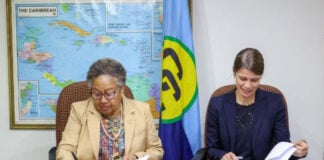
While some opposition lawmakers argue that the levy unfairly impacts migrants, Samantha Marshall, Leader of Government Business, offered a counterpoint. Marshall contended that the previous two per cent rate had endured for over two decades.
She emphasized that the transition from a ministerial order to a legislative act does not signify discrimination against migrants, highlighting recent governmental initiatives such as waiving work permit fees for Caribbean Community (CARICOM) nationals.

Boosting government revenue
Marshall underscored the potential financial windfall from the fee hike, drawing parallels with the British Virgin Islands’ experience.
Citing a seven percent money transfer fee implemented in 2020, she notes that it generated a substantial $2 million within a year.
Marshall envisions similar revenues being channeled into diverse sectors, including social welfare, healthcare, and agriculture.
She further reiterated the government’s commitment to steering Antigua and Barbuda towards fiscal sustainability despite prevailing global uncertainties.