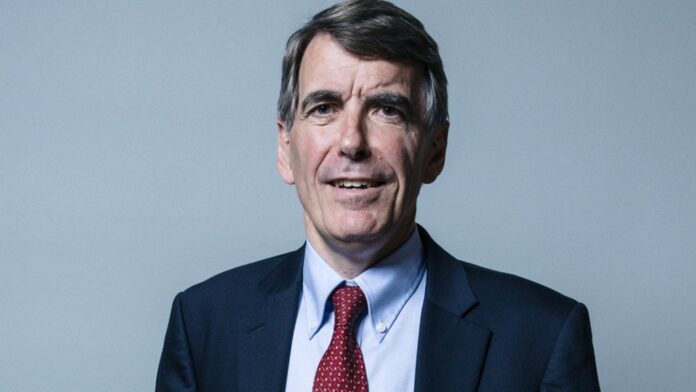
In a bid to safeguard Guyana’s sovereignty over the disputed Essequibo region, the United Kingdom’s Secretary of State, David Cameron, has announced a forthcoming visit by Minister for Americas and the Caribbean, David Rutley.
Essequibo region: A vital stake for Guyana
The Essequibo region, which constitutes approximately two-thirds of Guyana’s landmass, is home to a significant portion of the nation’s population, with 125,000 residents out of a total of 800,000.
The rich mineral resources and strategic importance of this area have fueled the longstanding dispute between Guyana and Venezuela.

Venezuela’s promise of non-aggression receives mixed response
Posting on X, formerly known as Twitter, David Cameron, a former British Prime Minister, acknowledged Venezuela’s statement in St. Vincent, where they pledged to “refrain from the use of force and any further escalation.”
While welcoming this announcement, Cameron emphasized the need for concrete actions to follow suit.
He expressed his support for the peace efforts led by Dr. Ralph Gonsalves, the Prime Minister of St. Vincent and the Grenadines.

Cameron asserted the fundamental importance of respecting sovereign borders and affirmed the UK’s commitment to working with regional and international partners to uphold Guyana’s sovereignty.
He further announced Minister David Rutley’s upcoming visit to Guyana, reinforcing the UK’s solidarity with the Guyanese people on this critical issue.
Dialogues yield progress amidst challenges
Recent talks between leaders of Guyana and Venezuela in St. Vincent marked a significant step forward. Both parties pledged, “directly or indirectly,” not to resort to threats or force in their ongoing efforts to resolve the border dispute.

The Joint Declaration of Argyle for Dialogue and Peace, resulting from these discussions, underscored their commitment to resolving any disputes by international law, including the Geneva Agreement of February 17, 1966.
However, a divergence emerged in the approach to resolution.
Guyana reaffirmed its commitment to the International Court of Justice (ICJ) as a means to address the border controversy, while Venezuela expressed its non-consent and non-recognition of the ICJ’s jurisdiction in this matter.
A path forward: Joint commission and further dialogue
Despite their differences, Guyana and Venezuela have agreed to establish a joint commission comprising Foreign Ministers and technical experts from both countries.
This commission will tackle mutually agreed-upon issues, reflecting a pragmatic step towards dialogue and cooperation.
Additionally, President Dr. Irfaan Ali and President Nicolas Maduro have committed to meet again within the next three months, potentially in Brazil or at another agreed-upon location.
The purpose of this meeting is to address any matters related to the disputed territory, including updates on the joint commission’s progress.