Jamaica has achieved remarkable progress in enhancing its anti-money laundering measures, aligning itself with international standards, and steering clear of potential blacklisting.

In a recent update, Jamaica demonstrated its commitment by being “compliant or largely compliant” with an impressive 37 out of 40 major recommendations vital to fortifying its anti-money laundering framework.
A promising turn of events
This development was unveiled during the Caribbean Action Task Force (CFATF) meeting held in the picturesque locale of Aruba.

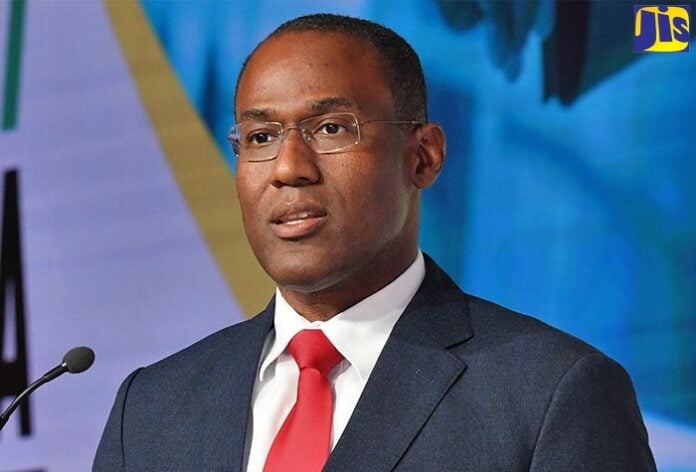
The meeting also saw the election of Jamaica’s Minister of Finance, Dr. Nigel Clarke, as the deputy chairman—a testament to the nation’s dedication to the cause.
Dr. Clarke, who headed Jamaica’s delegation at the event, emphasized that this achievement was the result of a highly productive collaboration between various government ministries and agencies, facilitated by the National Anti-Money Laundering Committee.
He hailed this as a significant milestone in Jamaica’s ongoing efforts to combat money laundering.
Jamaica’s progress
Just six years ago, Jamaica found itself grappling with a much bleaker scenario, complying with a mere 17 of the recommendations set forth by the Financial Action Task Force (FATF).
This transformation showcases the nation’s unwavering commitment to strengthening its financial security measures.
Understanding the key players
The FATF, a global inter-governmental body focused on countering money laundering and terrorist financing, is responsible for setting the gold standard in this realm.

Over 200 countries adhere to its stringent standards.
On the regional front, the CFATF comprises 24 nations, all with the shared objective of implementing and adhering to FATF’s recommendations.
The consequences of non-compliance
Jamaica’s continued non-compliance with international standards could have grave consequences, including being labeled a ‘high-risk jurisdiction.’
This designation would expose the country to economic sanctions and a potentially tarnished reputation on the global stage.
The FATF’s call to action
The FATF has issued a stern call to Jamaica, urging it to demonstrate significant progress in implementing its action plan by February 2024.
Failure to do so could prompt the FATF to consider further measures, such as encouraging its member nations to exercise enhanced due diligence in their business dealings with Jamaica.
This heightened scrutiny is a means to ensure that strategic deficiencies are promptly addressed.
A positive outlook
Jamaica remains optimistic about its standing in the international financial community. Minister Clarke has expressed confidence that the worst-case scenario of blacklisting is unlikely, given that the nation has diligently fulfilled all legislative requirements.