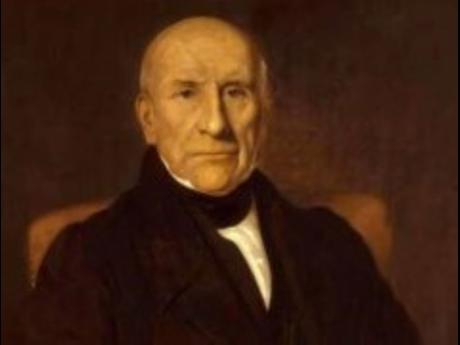
Family members of John Gladstone, who once owned enslaved Africans in Guyana, are set to arrive in the country for the launch of the International Centre for Migration and Diaspora Studies (MiDias) at the University of Guyana this week.
A historical apology
The University of Guyana (UG) said in a statement on Saturday that the Gladstone family, including several historians, has confirmed their intention to apologize for their ancestors’ participation in the enslavement of Africans.
Who was John Gladstone?
According to reports, John Gladstone, father to four-time British Prime Minister William Gladstone, once owned 2,500 slaves.

He was among the most substantial beneficiaries of the £20 million fund (roughly £16 billion today) that the British government allocated for planters’ compensation following the Slavery Abolition Act of 1833.
Commitment to understanding slavery’s impact
It is further reported that the descendants of John Gladstone have not only committed to making an official apology but have also agreed to pay reparations to support further research into the impact of slavery.
A £100,000 grant to MiDias will fund this crucial research, providing new insights into this complex historical subject.

More on Britain and slavery reparations
British legislator urges Britain to pay compensation to Caribbean for slavery
MiDias: A center for research
The Diaspora and Migration Centre, MiDias, is designed to explore five specific areas of research interest, including Diaspora and Migration in and around Academia, Youth, Technology and Vulnerable communities, Indigeneity, Indentureship and Slavery as specific and integral aspects of dispersion.
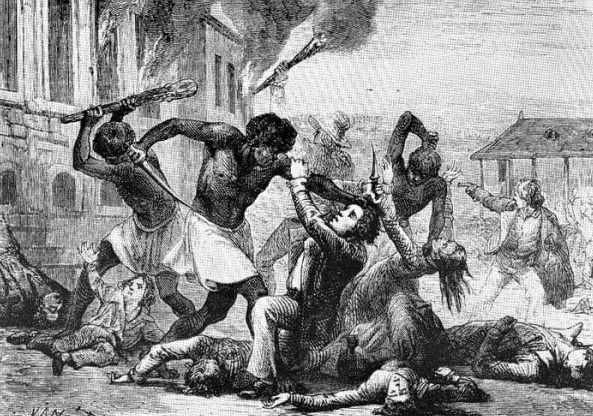
“The research track for Slavery and indentureship is the reason why it was deemed appropriate to launch the Diaspora and Migration Centre (MiDias) in this historically auspicious month in regard to the emancipation of enslaved peoples as well as the 200th anniversary of the 1823 slave revolution in Demerara,” UG further said.

Collaboration and ongoing research
The University of Guyana shared that it has been actively working with other universities and the Guyana Reparations Committee, focusing on specific aspects of slavery, indenture, and indigeneity impacts on native populations.