Home Blog Page 118

England Roses run riot as Sunshine Girls surrender Vitality Series

sunshine girls

England Roses brought the Vitality Netball Series against Jamaica’s Sunshine Girls to a decisive and commanding close on Sunday, dismantling the visitors 81-30 at the Copper Box Arena to seal a comprehensive series victory.

The emphatic triumph followed Saturday’s equally dominant 80-37 win in the opener, allowing England to complete a clean sweep while avenging their 2-1 series loss to Jamaica in the inaugural contest last November.

Early control sets the tone

Facing a Jamaican squad missing several key players, England wasted little time asserting their authority. The Roses surged ahead early, steadily widening the gap against an inexperienced Sunshine Girls line-up and carrying a commanding 23-point lead into halftime.

From there, the hosts accelerated further, piling on 43 points in the second half as Jamaica struggled to contain England’s speed, precision, and tactical discipline.

Thirlby rotates squad, debut for Rayner

With the series firmly in hand, England head coach Jess Thirlby took the opportunity to test her squad’s versatility. Emma Rayner earned her international debut, while star defender Funmi Fadoju was deployed in wing defense rather than her customary goal keeper or goal defense role.

Despite the experimental adjustments, England’s structure and cohesion never wavered, underscoring the depth and adaptability of the Roses squad.

Respect for Jamaica despite one-sided scoreline

Although the scoreboard told a lopsided story, Thirlby was quick to commend the Sunshine Girls for their effort and competitive spirit.

“I think they’re such a spirited team, they put everything out against us, started really well, and we really respect any Jamaican side,” Thirlby said.

She expressed confidence that the experience would benefit Jamaica moving forward.

“…So, yes, Jamaica will be stronger again, both for having come here with some of their new talent and for those players that will return.”

Henry-Wright calls for reflection and renewal

Sunshine Girls head coach Sasher-Gaye Henry-Wright acknowledged that the result laid bare areas requiring urgent improvement as the team looks ahead.

“I think we were impatient in terms of everybody wanting to move at the ball at the same time and not making those strong drives and the cut and change direction,” she explained.

While crediting England’s performance, Henry-Wright emphasized the need for introspection and recalibration.

“We have to give credit to England…but I think we have to go back home, we have to look back at our training, the physical aspect, the tactical preparation.”

Valuable lessons amid harsh reality

Despite the humbling defeat, Henry-Wright stressed that the tour still offered meaningful experience for a developing group.

“I’m grateful for the experience and the opportunity for the girls and for all of us, but we have a lot of homework to do.”

For the Sunshine Girls, the Vitality Series ended in disappointment, but also with clarity about the standards required and the work ahead as they regroup and rebuild.


Shaw’s four-goal masterclass powers Manchester City as United snatch late draw

UEFA probes disturbing incident after Khadija Shaw struck by object in Sweden

MANCHESTER, England – Khadija Shaw delivered a ruthless reminder of Manchester City’s dominance at the summit of the Women’s Super League on Sunday, scoring four goals in a resounding 6-1 victory over Aston Villa to stretch City’s winning streak to 10 matches.

The emphatic success lifted City to 30 points from 11 games, opening a six-point cushion over second-placed Chelsea. The defending champions responded to last weekend’s end of their 34-match unbeaten league run by defeating Brighton & Hove Albion 3-0 away. Arsenal, who beat Everton 3-1 on Saturday, sit third on 22 points.

Century mark reached with clinical precision

The Jamaican international etched her name into club history by becoming the first Manchester City women’s player to score 100 goals. Shaw reached the milestone in trademark fashion, finishing clinically from a Vivianne Miedema cross to open the scoring.

She doubled her tally just before halftime, placing City firmly in control and setting the stage for a second-half surge.

City pull away after the break

City continued to press after the interval, with Aoba Fujino finishing a swift counterattack shortly after the hour mark to make it 3-0. Aston Villa briefly threatened a response when Lucy Parker headed in for the visitors, but any hopes of a comeback were quickly extinguished.

Miedema restored City’s three-goal advantage with a simple tap-in, before Shaw returned to center stage late in the contest, adding two more goals to complete her four-goal haul.

The strikes took her personal tally to 103 goals in just 120 appearances across all competitions.

Villa slide as City’s march continues

The defeat left Aston Villa eighth in the standings on 13 points, while City’s relentless momentum continues to set the pace in the title race.

Elsewhere, Manchester United produced a dramatic comeback to salvage a 3-3 draw against Tottenham Hotspur, denying Spurs what would have been their first competitive victory over United.

Tottenham appeared to be cruising with a commanding 3-0 lead, but United sparked into life in the final quarter-hour. Ella Toone struck in the 74th minute, before Fridolina Rolfö netted twice, once in the 82nd minute and again deep into added time, to rescue a point.

The result left Spurs one place and one point behind United, with both teams locked in mid-table contention, United holding fifth place on 20 points.

Round-up of other results

In other WSL action, second-bottom West Ham United and basement side Liverpool shared a 2-2 draw, while Leicester City edged London City Lionesses 1-0 to secure a valuable victory.

The weekend once again underscored the league’s intensity, highlighted by Shaw’s historic brilliance and a late surge of drama in north London.


Hislop backs Dwight Yorke for continuity despite World Cup failure

Dwight Yorke frustrated, McClaren proud as last-minute own goal rescues Jamaica against Trinidad & Tobago
Dwight Yorke

Former Trinidad and Tobago goalkeeper Shaka Hislop believes head coach Dwight Yorke deserves the opportunity to continue leading the national team, even after failing to guide the Soca Warriors to qualification for the 2026 FIFA World Cup.

Trinidad and Tobago managed just one victory from six matches in the qualifying campaign and bowed out after finishing third in Group B, behind group winners Curaçao and Jamaica. The disappointing outcome has fueled widespread speculation that Yorke, appointed by the Trinidad and Tobago Football Association (TTFA) last November with a clear World Cup mandate, could be relieved of his duties.

Understanding the criticism, acknowledging the progress

Speaking on Isports on i95.5 FM on Saturday, Hislop acknowledged the frustration among supporters and analysts, noting that the calls for change are understandable given the stated objectives.

“I am firmly on the fence with this one, I really am,” Hislop said when asked whether the TTFA should part ways with Yorke.

While conceding that the primary goal was not achieved, Hislop emphasized that his assessment goes beyond the final standings.

“I will firmly state that I am very biased towards Yorke, but the truth is that he was appointed to get this team to the World Cup and obviously, we haven’t made it.”

A direction worth preserving

Despite the failure to qualify, Hislop believes Yorke’s tenure has brought tangible improvements that merit continuity rather than disruption.

“But in time, I recognised the progress the team has made and I really appreciate the direction that he continues to take this team; so those two kind of balance out each other,” he explained.

For Hislop, the strides made under Yorke’s leadership strengthen the case for patience.

“Now I’d love to see Dwight continue in his role, given that progress and be given the support in trying to identify and develop everything that the team needs…but I can see both sides of the argument so I really couldn’t give a definitive answer on that one, one way or another,” he added.

Disappointment mixed with optimism

Reflecting on Trinidad and Tobago’s overall showing in the qualifiers, Hislop admitted that the campaign fell short of expectations, particularly given the composition of the group.

“I’m disappointed. I was disappointed because I felt we had a group that maybe we should have been able to navigate a lot better than we did,” he said.

Still, Hislop believes the shortcomings are not insurmountable.

“But I’m also encouraged because I feel that we are just missing one or two pieces, most importantly, a natural finisher.”

The missing piece up front

Hislop praised the team’s attacking flair but pointed to a crucial absence in the final third.

“Don’t get me wrong, in terms of our starting front three…I thought we had three fantastic and exciting players that really had me on the edge of my seat, but of the three of them, none of them are natural finishers and at this level, we missed that.”

For Hislop, the debate over Yorke’s future ultimately hinges on whether the TTFA values immediate results over long-term development, a decision that could shape the Soca Warriors’ direction well beyond this qualifying cycle.


Jimmy Cliff’s legacy lives on as Jamaica prepares official farewell

Jimmy Cliff

The official funeral service for the Hon. Dr. Jimmy Cliff OM will be held at the National Indoor Sports Centre in Kingston on Wednesday, December 17, 2025, at 10 a.m. The reggae icon was accorded an official funeral in recognition of his immense contribution to Jamaica’s culture and entertainment.

I recently caught up with New York media executive Louis “Lou Lou” Grant to reflect on the life and legacy of reggae icon Jimmy Cliff. Grant is a walking encyclopedia of Jamaican music and sports, widely respected across business, broadcast media, and entertainment circles. He remains integral to the growth of the Caribbean media landscape in New York. With nearly 30 years in media, Grant currently serves as executive vice president and executive producer at Irie Jam Media.

The passing of Jimmy Cliff struck Grant with a profound sense of disbelief and reflection. It came at a time when Jamaica had just endured the devastation of Hurricane Melissa and a year marked by loss and hardship.

“As I often do on Sundays, I found myself quietly reflecting on November 24 on some of the more recent events and happenings — this time mostly relating to our island home, Jamaica,” Grant recalled. “The devastating Hurricane Melissa on October 28, our Reggae Boyz missing out on automatic World Cup qualification on November 18, and our beautiful Miss Universe representative Dr. Gabrielle Henry’s accident in Thailand, along with the untimely passing of our beloved Consul General to New York, Alsion Wilson. I thought these must be the last of the ‘bad luck afflictions’ for the country for 2025.”

“Then the world woke up to the tragic news that our cultural icon Jimmy Cliff had transitioned overnight … sigh,” Grant shared.

Grant’s memories of Cliff span decades and continents, tracing a career that helped define not only reggae music, but Jamaica’s cultural footprint on the world.

“From performing at the 1964 New York World’s Fair in Flushing Meadows, Queens, to appearing as the musical guest in the inaugural year of NBC’s Saturday Night Live in 1976, Jimmy Cliff always stood at the intersection of history and culture.”

For Grant, Cliff’s starring role as Ivan in The Harder They Come remains one of the most pivotal moments in global music history.

“Starring as Ivan in Trevor Rhone and Perry Henzell’s epic 1972 Jamaican film The Harder They Come, showcasing ‘the rebel in him,’ and contributing six of the film’s 12 classic soundtrack songs — that movie was widely credited as a major vehicle that fast-tracked the introduction and popularity of reggae to the world at large.”

Grant recalled guitarist Andy Bassford’s assessment of the film’s impact.

“Andy referred to the movie as ‘the gateway drug to the reggae addiction phenomenon of white American teens in the ’70s,’ and that always stuck with me.”

Jimmy Cliff’s accolades, Grant noted, reflected both his global reach and national importance.

“Grammy Awards in 1986 and 2013; being conferred with the Order of Merit by the Jamaican government in 2003; collaborations with Sting and Kool & the Gang; covering Johnny Nash’s ‘I Can See Clearly Now’; and his induction into the Rock & Roll Hall of Fame in 2010 — those are just highlights of an extraordinary journey.”

Yet it was Cliff’s presence in New York, and especially his quiet moments away from the stage, that left the deepest impression on Grant.

“Back here in New York, I particularly remember his epic concert and almost out-of-body stage performance at the Nassau Coliseum some years ago,” Grant said. “But it was our close encounters with Dr. Cliff when he stopped by the Irie Jam studios that truly revealed the man behind the masterful art.”

Grant described Cliff as introspective and disciplined.

“Jimmy Cliff was a relatively private and quiet soul,” Grant shared. “He was spiritual, disciplined, strict with his diet, passionate, focused, confident, and intense.”

Those studio visits often came with rare musical privileges.

“He usually brought pre-released tracks that we at Irie Jam Radio were very privileged to hear before the masses,” Grant recalled. “I vividly remember Dub Master Chris premiering ‘Blessed Love’ from his Rebirth album even before the final commercial mix was done.”

Grant also spoke of personal connections with Cliff’s family and moments that felt almost prophetic in hindsight.

“I knew some of his kids — his daughter Odessa Chambers through my affiliation with the Adonai Sound System, and his sons Luqman and Sayeed through one of our studio engineers. I happened to be at their Bronx home one day when a limo pulled up. Daddy Cliff was in town.”

That visit came with another unforgettable listening session.

“I had the good fortune to hear a pre-released and still relatively obscure track from his Black Magic album called ‘Fantastic Plastic People,’ and since the advent of AI, I often find myself reliving that first time hearing the song and Dr. Cliff’s enthusiasm in sharing it.”

“Jimmy Cliff’s passing marks the end of an era — not just for reggae, but for global music, and more poignantly, the spirit and essence of resilience that define Jamaica and the wider Caribbean experience.”

Grant reflected on the enduring power of Cliff’s message.

“Through timeless classics like ‘Many Rivers to Cross,’ ‘Vietnam,’ ‘Bongo Man,’ ‘Miss Jamaica,’ ‘You Can Get It If You Really Want,’ and ‘The Harder They Come,’ his music carried themes of courage, resilience, and hope — values that feel especially urgent today as our nation faces the aftermath of Hurricane Melissa.”

Grant found symbolism in Cliff’s roots and life journey.

“How ironic that Dr. Cliff hailed from St. James in western Jamaica. Just as his lyrics reminded us that we can overcome ‘many rivers,’ his life example reminds us that even through horrid storms, once we try and try, we can always summon the strength to rise again.”

Even cosmic coincidences felt meaningful.

“Is it a cosmic event that ‘I Can See Clearly Now’ was featured in Cool Runnings, and that on the very day Dr. Cliff transitioned, a Jamaican bobsled team won the country’s first international gold medal in the sport in Canada? Wow — just wow. One can only wonder.”

Grant noted that Cliff’s voice remains woven into Irie Jam Radio’s identity.

“At the start of our daily Irie Jam theme are the words, ‘If the feeling is good, I want you to say IRIE!’ That recording is the voice of Jimmy Cliff from his appearance at Rebel Salute in Jamaica.”

He recalled Cliff’s reaction upon hearing it.

“When DJ Roy played it for him in our studio, he was so excited that we chose to use it. How gracious of the man — what humility.”

Grant ended his tribute with reverence and gratitude.

“A little country boy from Somerton, St. James, he crossed many rivers as a child and later crossed all the world’s oceans, carrying the soul, culture, and undeniable energy of Jamaica for more than 60 years. Maestro, we are indebted to you.”

“During this season of gift-giving, we are truly thankful and forever grateful to this giant — a national treasure who lived well and left a solid legacy etched in our collective history.”

“Walk good, Dr. Cliff.”

Winter storm prep: Protecting your home the right way

Homeowners have to deal with a lot of challenges when it comes to winter storms. Winter storm prep will prevent any kind of loss to life and money as well. As they say, prevention is better than a cure. This guide offers practical steps that may help protect property, ensure comfort during the coldest months of the year, and provide peace of mind to all homeowners.

Inspecting and Sealing Entry Points

Drafts from cracks and openings between your windows and doors are a common culprit for cold air entering your home, which raises your heating bills and leaves you feeling chilly. If you’re looking for ways on “How to prepare your home for a winter storm,” sealing these areas with weatherstripping or caulk is a great place to start, as it helps keep the warmth in. Identifying drafts now will keep wild weather at bay and energy bills down when it gets cold.

Roof and Gutter Maintenance

Accumulation of snow and ice on roofs can cause dangerous leaks or even lead to structural damage. Regular inspection of shingles, flashing, and gutters can significantly mitigate these risks. In winter, removing all leaves and debris will allow melting snow to drain properly, reduce the possibility of ice dams occurring, and prevent water from entering the house.

Heating System Preparation

During the winter months, heat is necessary for survival. Calling in a professional to check the status of furnaces or boilers is a good way to identify and fix problems early on before the season begins. Reinstalling filters and cleaning vents helps systems operate more efficiently, while conducting tests on thermostats ensures systems are able to respond properly when the temperature drops.

Pipe Protection and Insulation

Pipes that freeze may break and lead to water damage and expensive repairs. Wrapping exposed plumbing in attics, basements, and crawl spaces with fiberglass insulation helps keep them from freezing. Letting a little water flow from faucets on frigid nights can help prevent ice blockages from forming in pipes.

Emergency Supplies and Backup Power

Power outages happen frequently during heavy snow or ice storms. This way, it can feel comforting to have emergency supplies such as flashlights, batteries, blankets, and bottled water at hand. By investing in a generator or backup power source, you can keep key systems such as heat and refrigeration running if the power goes out.

Tree Trimming and Outdoor Preparation

Branches that are drooping from holding too much snow or ice could snap, damaging roofs, cars, and utility lines. One way to lower that risk is to trim the trees and shrubs that are close to the house. Tuck away outdoor furniture, garden tools, and seasonal decorations, so they won’t become projectiles when the winds gust stronger than normal.

Fireplace and Chimney Safety

Fireplaces are a great way to add warmth and character to a home, but you have to maintain them. Scheduling chimney cleaning removes creosote accumulation that can heat, ignite, and cause hazardous house fires. Inspect flues, dampers, and fireboxes to ensure they work properly and prevent smoke from entering the living area.

Attic and Basement Checks

Because a lot of heat loss happens in attics and basements, making these areas as well insulated as you can is very important. Assess insulation levels and supplement if required, as this reduces energy waste. By sealing cracks and gaps in walls and foundations, you can keep cold drafts and pests out in the winter months.

Emergency Communication Plan

Heavy snowstorms can temporarily cripple communication networks, which makes it difficult to contact a loved one or emergency services. Emergency plans that include phone numbers, meeting places, and alternative methods of communication keep people connected. They should share this information with members of their household so that all can respond appropriately during an emergency.

Snow Removal Tools and Supplies

Snow removal equipment allows homeowners to be ready for a snowstorm. Shovels, snow blowers, and de-icing products provide a safer and easier way to clear driveways and walkways. Having all the paths cleared as quickly as possible reduces the chances of slips and falls for residents and visitors.

Conclusion

Going over every little detail provides peace of mind in the dead of winter. Sealing entry points, insulating pipes, and stocking up on emergency supplies are all simple steps that can help a lot. Acting early also helps ensure homes can remain safe, comfortable, and prepared for whatever winter throws at you.

What Florida’s House Bill 389 means for smokers and vapers

St. Lucian Government warns of harsh penalties for flouting legislation restricting smoking in public places

Florida lawmakers are pushing legislation that would ban smoking and vaping on streets, beaches, restaurant patios, and most other public spaces across the state. House Bill 389, currently under review in the House Health & Human Services Committee, would mark the most expansive smoking restriction in Florida history if it becomes law.

The bill would take effect July 1, 2026, and would prohibit both traditional cigarettes and vaping devices in locations where millions of Floridians and tourists spend time daily. Anyone lighting up on a sidewalk, public beach, or apartment building courtyard would be breaking the law. The same restrictions would apply to medical marijuana patients using their prescribed medication in public.

The measure includes one notable exception: unfiltered cigars would remain legal to smoke anywhere.

What Changes Under HB 389

Current Florida law prohibits smoking in enclosed indoor workplaces like offices, restaurants, and bars. HB 389 expands those restrictions far beyond indoor spaces.

The bill defines “public place” to include streets, sidewalks, highways, public parks, public beaches, and common areas inside and outside of schools, hospitals, government buildings, apartment buildings, office buildings, lodging establishments, restaurants, transportation facilities, and retail shops.

It treats vaping devices the same as combustible cigarettes. The legislation makes no distinction between nicotine vapes used by former smokers and traditional tobacco products.

The bill also updates Florida’s legal definition of smoking to explicitly include marijuana products. Current law doesn’t specifically mention marijuana in the smoking definition, though medical marijuana use in public already faces restrictions. HB 389 would formalize those limits statewide and add marijuana to the list of banned substances in airport customs smoking rooms.

Who Loses Access to Public Spaces

The restrictions would affect several groups of adults who currently use these products legally:

Former cigarette smokers who switched to vaping for harm reduction would find themselves treated identically to traditional smokers. Someone who quit combustible tobacco years ago by transitioning to vapor products would face the same public use ban as active cigarette smokers.

Medical marijuana patients who rely on smokable cannabis as prescribed by Florida physicians would see their legal consumption options reduced to private residences. For patients who work long hours away from home, travel frequently, or live in multi-unit housing with restrictive policies, compliance becomes more complicated.

Traditional cigarette smokers and cigar smokers would also face the expanded ban, with the curious exception carved out for unfiltered cigars specifically.

The Enforcement Challenge

The bill doesn’t create new penalties beyond what exists in Florida’s current Clean Indoor Air Act. Violations result in non-criminal citations: up to $100 for first offenses and up to $500 for repeat violations.

But enforcement presents practical questions. Current violations typically occur in enclosed workplaces where smoking is easily observable and complaints are straightforward. Monitoring streets, beaches, parks, and outdoor common areas across Florida’s 67 counties represents a different scale of enforcement entirely.

Local law enforcement and code enforcement officers would need to add smoking and vaping violations to their responsibilities. In beach communities like South Florida, that could mean officers patrolling sand and boardwalks looking for violations among thousands of beachgoers and tourists.

Previous Attempts and Current Status

HB 389 isn’t Florida’s first attempt at expanded smoking restrictions. Senate Bill 226, a similar measure filed during the 2025 legislative session, died in committee without advancing to a floor vote. That bill had been framed as providing “guardrails” for Amendment 3, which would have legalized recreational marijuana. When voters rejected Amendment 3 in November 2024, the smoking ban lost momentum.

This new version takes a different approach, focusing on secondhand smoke and vapor exposure rather than tying itself to marijuana legalization debates.

The bill currently sits in the House Health & Human Services Committee. It faces multiple committee stops and potential amendments before reaching the House floor for a full vote. If it passes the House, it would need Senate approval and the governor’s signature to become law.

“This bill treats every vapor product the same as combustible cigarettes, ignoring the harm reduction approach that has helped millions of adults move away from traditional tobacco,” said James Smith, Head of Vaping Community at the online vaping store Discount Vape Pen. “Eliminating legal options for adults using these products does not eliminate their demand. It just determines whether that demand gets met through regulated channels or unregulated ones.”

Dominica offers to mediate US–Venezuela tensions

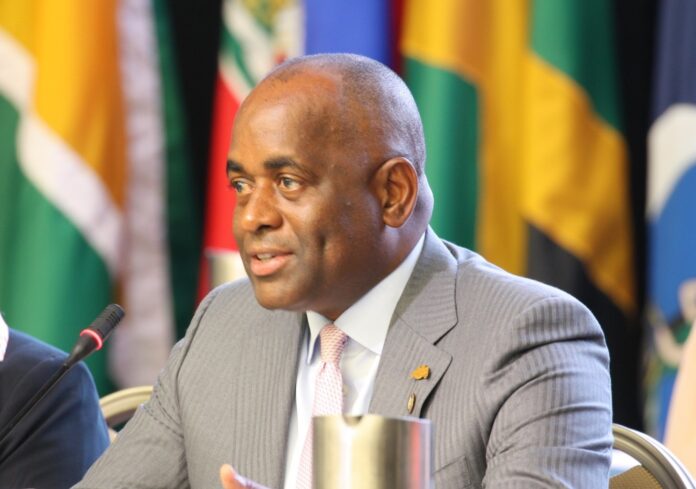
Dominica Prime Minister Roosevelt Skerrit

Prime Minister Roosevelt Skerrit says Dominica is prepared to act as a mediator in the escalating tensions between the United States and Venezuela, reiterating that the Caribbean must remain a zone of peace amid heightened military activity in the region.

Speaking at an end-of-year press conference on Monday, Skerrit said Dominica and the wider Caribbean Community (CARICOM) are urging dialogue and diplomacy, warning that any military conflict in Caribbean waters would have far-reaching consequences for the entire region.

“Dominica is a good friend of both the United States and Venezuela, and in the past we have worked together as an intermediary,” Skerrit told reporters. “We are prepared to do so in this current situation if there are messages from either side to each other.”

Skerrit said Dominica believes it is well-positioned to play that role but stressed his hope that mediation will not be necessary. He called on the United States to draw on its diplomatic record in resolving international conflicts.

“We hope and pray that nothing happens,” he said. “The U.S. president himself has been involved in a number of negotiations across the world and has used the United States’ influence to bring conflicts to an end. I would urge the United States to draw upon that trajectory.”

Since September, the U.S. government has carried out a series of military strikes off the coast of Venezuela and across the Caribbean and Eastern Pacific as part of what Washington describes as its war on illegal drugs. However, political observers and regional critics argue the actions point to a broader effort aimed at regime change in Caracas, citing Trump’s repeated public attacks on Venezuelan President Nicolás Maduro.

The U.S. military has reportedly struck several vessels in recent months, resulting in the deaths of more than 80 people, including two Trinidad and Tobago nationals.

The actions have drawn condemnation from international human rights bodies. UN High Commissioner for Human Rights Volker Türk said the strikes violate international human rights law and called for them to be halted immediately.

Earlier this month, the Inter-American Commission on Human Rights (IACHR) also expressed “deep concern” over reports of lethal U.S. operations against non-state vessels in the Caribbean Sea and Eastern Pacific Ocean. The commission urged Washington to ensure that all security operations comply with international human rights obligations, including protections for the right to life, due process and accountability.

CARICOM has issued its own statement reaffirming the Caribbean as a zone of peace, though the declaration was not endorsed by Trinidad and Tobago, whose prime minister has publicly stated that individuals involved in the illegal drug trade should be killed “violently.”

Despite the tensions, Skerrit acknowledged Dominica’s long-standing cooperation with Washington on security matters.

“The U.S. has been the number one partner of Dominica and continues to be, even today, in terms of their investment in Dominica for national security,” he said, noting that the United States recently provided and installed a radar system to help the island monitor its marine space.

Skerrit said the U.S. is also financing major infrastructure projects on the island and remains a key partner in combating illicit activities.

On the broader regional situation, Skerrit reiterated Dominica’s position that diplomacy must prevail.

“We always maintain that the Caribbean should be a zone of peace and that any thought of military actions in the Caribbean should be reconsidered,” he said. “Dialogue and diplomatic channels are better ways to resolve differences. If there is a breakout anywhere in the Caribbean Sea, it will have a negative impact on all of us.”

Trinidad and Tobago approves transit of US military aircraft through airports

Trinidad us military

The Trinidad and Tobago government has approved the transit of United States military aircraft through the country’s airports in the coming weeks, a move officials describe as routine but one that has sparked strong criticism from the political opposition.

In a media release issued Monday, the Ministry of Foreign and CARICOM Affairs said the approved aircraft movements are “logistical in nature,” intended to facilitate supply replenishment and routine personnel rotations.

Foreign and CARICOM Affairs Minister Sean Sobers said the decision reflects the government’s continued cooperation with Washington, noting that the partnership has delivered concrete benefits to Trinidad and Tobago, including joint military training exercises, enhanced surveillance capabilities and the installation of a radar system used in narcotics interdiction.

Sobers said Prime Minister Kamla Persad-Bissessar has reaffirmed the administration’s commitment to “cooperation and collaboration in the pursuit of safety and security for Trinidad and Tobago and the wider region.” The ministry also noted that the U.S. Embassy has supported national development through initiatives such as donations of school equipment and other educational support.

However, former Foreign Affairs and CARICOM Minister Dr. Amery Browne sharply criticized the government’s announcement, calling it “deceptive.”

Speaking on a local radio program, Browne said Trinidad and Tobago had never before granted what he described as blanket permission for unspecified foreign military aircraft to use local airspace and airports.

“There is nothing routine about this,” Browne said. “This has nothing to do with the usual cooperation and friendly collaborations that we have enjoyed for decades with the United States and our neighbours.”

Browne argued that the government’s statement risks undermining Trinidad and Tobago’s long-standing foreign policy posture and regional standing, claiming it moves the country away from established CARICOM principles.

Foreign Minister Sobers rejected those claims, saying the government remains in close engagement with the U.S. Embassy and is acting in the national and regional interest. “We welcome the continued support of the United States,” Sobers said.

The approval comes against the backdrop of increased U.S. military activity in the Caribbean linked to counter-narcotics operations. Prime Minister Persad-Bissessar has publicly supported U.S.-led efforts aimed at disrupting the illegal drug trade, a position that political observers note differs from that of several other CARICOM member states, which have repeatedly emphasized maintaining the Caribbean as a zone of peace.

Venezuela has also expressed concern in recent months, accusing Washington of using counter-narcotics operations as a pretext for broader geopolitical objectives, including efforts to destabilize the government of President Nicolás Maduro.

In its statement, the Ministry of Foreign and CARICOM Affairs reiterated that cooperation with the United States has contributed to the interception of millions of dollars’ worth of illegal narcotics and strengthened Trinidad and Tobago’s national security capacity.

Browne, however, said the prime minister has failed to adequately explain the implications of the policy shift to the public.

“For the past six months, the prime minister has refused to address this nation and properly explain what she has done to our neutral foreign policy and our standing in the region and the world,” Browne said.

The government has not indicated how many aircraft are expected to transit Trinidad and Tobago or the specific duration of the approvals, beyond saying the movements will occur “in the coming weeks.”

Broward Schools prepares to ship hurricane relief donations to Jamaica

More Than 125 Colleges, Universities, Technical Schools and Military Branches participating in Broward County College Fair

Broward County Public Schools (BCPS) is preparing to ship pallets of humanitarian supplies to Jamaica following a weeks-long Hurricane Relief Drive launched in response to the devastation caused by Category 5 Hurricane Melissa in October.

The district, working alongside community partners, collected donations from October 31 through December 12, mobilizing students, families, educators and local organizations in a coordinated effort to support Jamaica’s recovery. As final donations are consolidated, BCPS officials say shipments of much-needed relief items will soon be delivered to the island.

District leaders, school administrators and community partners are scheduled to provide an update on the effort during a media event on Wednesday, December 17, at 9:30 a.m., at the Kathleen C. Wright Administration Center in Fort Lauderdale.

The relief drive was organized under BCPS’ “One Broward” initiative, with key partners including BrightStar Credit Union, the Broward County Association of Student Councils, the Broward County Council of PTAs/PTSAs, the Broward Education Foundation, the Broward Principals’ and Assistants’ Association, the Broward Teachers Union, and Food For The Poor.

District officials said the effort reflects the strength of community partnerships and a shared commitment to humanitarian response during times of crisis.

In November, Dr. Jeff Holness, vice chair of the Broward County School Board and the District 5 representative, joined South Florida leaders at a press conference highlighting regional relief efforts following the hurricane. Holness, who is Jamaican-born and grew up in St. Elizabeth, underscored the district’s role in supporting the island.

“Broward County Schools have also joined relief efforts to make sure that we’re providing the necessary support to Jamaica, Haiti, parts of the Bahamas, and regions that have been affected,” Holness said at the time. “We’ve partnered with BrightStar Credit Union, the Broward County Association of Student Councils, the Broward Council of PTAs, the Broward Education Foundation, the Broward Principals and Assistant Principals Association, and the Broward Teachers Union to support Jamaica.”

BCPS officials noted that the district’s participation goes beyond material aid, emphasizing values of service, compassion and global citizenship among students and staff. The initiative also highlights the strong ties between South Florida’s Caribbean diaspora and the region.

Hurricane Melissa caused widespread damage across Jamaica in October, severely impacting homes, infrastructure and livelihoods. As recovery efforts continue, BCPS leaders say every contribution—large or small—helps support affected communities.

Jamaica welcomes 300,000 visitors after Hurricane Melissa

Jamaica
WestJet touches down on Saturday December 6, 2025, from Québec to Montego Bay as part of the airlines newest route to Jamaica.

Jamaica has welcomed more than 300,000 visitors since the passage of Category 5 Hurricane Melissa, a milestone Minister of Tourism Edmund Bartlett says reflects the sector’s rapid and coordinated recovery strategy.

The figure includes both stopover and cruise arrivals and comes as the island reopens fully for the critical winter tourism season, with major resort areas now operational.

Following the storm, Jamaica moved quickly to restore tourism infrastructure across key destinations, including Montego Bay, Ocho Rios, Negril and Kingston, all of which are now open and receiving visitors.

Bartlett confirmed that Jamaica has met its target of restoring tourism operations by December 15, just over six weeks after the hurricane.

“Our recovery has exceeded expectations,” Bartlett said. “Jamaica is not just back — we are stronger, more resilient, and more committed than ever to delivering the authentic Jamaican experience our visitors know and love. The dedication of our tourism workers, many of whom were personally affected by the hurricane, exemplifies the true spirit of Jamaica.”

All major airports — Sangster International Airport, Norman Manley International Airport, and Ian Fleming International Airport — have resumed normal operations, with airlines maintaining regular flight schedules. By the end of December, approximately 71% of hotels are expected to be reopened, with that figure projected to rise steadily through early 2026.

“This has been a whole-of-industry effort,” Bartlett said. “Hotels, attractions, transportation providers and government agencies have worked around the clock to ensure that Jamaica is ready to welcome our guests. Every visitor who chooses Jamaica during this time directly supports the rebuilding of communities and the restoration of livelihoods.”

Tourism attractions across the island are also operational, allowing visitors to once again experience Jamaica’s culture, music, cuisine and hospitality.

“The best way to support Jamaica is to visit Jamaica,” said Donovan White, Director of Tourism. “We are ready to deliver unforgettable experiences while showcasing the incredible strength and hospitality of the Jamaican people.”

Tourism accounts for more than 30% of Jamaica’s GDP and supports roughly one-third of jobs across the island. Officials say the sector’s swift recovery is critical to economic stability and household incomes nationwide.

Jamaica recorded 4.3 million visitors in 2024, and tourism authorities remain confident the destination will achieve a full recovery by December 2026, positioning the sector for sustained growth.

PAHO unveils playbook to tackle the Caribbean’s hypertension crisis

hypertension

The Pan American Health Organization (PAHO) has launched a new tool aimed at helping Caribbean and other countries across the Americas sharply reduce heart attacks and strokes—two of the region’s leading causes of death. Known as the HEARTS Quality Framework, the practical guide was published in The Lancet Regional Health – Americas and is designed for immediate use within primary health care systems.

Cardiovascular disease claims more than 2.2 million lives each year in the Americas, many of them among working-age adults. In the Caribbean, where noncommunicable diseases (NCDs) such as hypertension, diabetes and heart disease already place heavy strain on public health systems, the burden is particularly acute. Nearly four in 10 adults in the region live with high blood pressure, often without knowing it. Despite the availability of low-cost, effective treatment, only one in three people with hypertension has their condition under control.

“Hypertension remains the world’s deadliest health threat, but also one of the most manageable,” said Dr. Jarbas Barbosa, Director of PAHO. He described the framework not as a theoretical policy, but as a proven guide already improving outcomes in community clinics across the region. “If countries adopt and scale it up, we can prevent millions of heart attacks and strokes over the next decade,” he said.

A blueprint built for primary care

The HEARTS Quality Framework draws directly from real-world experience in clinics that have successfully improved blood pressure control. It targets common gaps that affect Caribbean health systems, including unreliable blood pressure measurements due to outdated equipment, inconsistent access to essential medicines, unnecessary monthly clinic visits for prescription renewals, and limited use of team-based care.

Among its key recommendations are the use of validated automated blood pressure monitors; pooled procurement to ensure a steady supply of affordable, high-quality medicines; multi-month prescriptions to reduce patient burden; and expanded roles for trained nurses to adjust medication doses. The framework also introduces simple monitoring tools that allow clinics to track outcomes and continuously improve care.

HEARTS in the Americas is the largest global adaptation of the World Health Organization’s HEARTS initiative. It is now active in 33 countries, reaching nearly 10,000 primary care facilities and managing care for more than six million people through standardized treatment protocols. Where the approach is fully implemented, six in 10 patients achieve blood pressure control—almost double the regional average.

Implications for the Caribbean

For Caribbean countries grappling with limited resources and rising NCD-related costs, the framework offers a pathway to stronger, more efficient primary health care. PAHO officials note that effective hypertension control supports the region’s broader health and development goals by keeping adults healthier for longer and reducing avoidable hospitalizations.

The framework is closely aligned with the 80-80-80 target for blood pressure control: 80% of people with hypertension diagnosed, 80% of those diagnosed treated, and 80% of those treated achieving control. According to Dr. Pedro Orduñez, PAHO Senior Advisor for Cardiovascular Disease, meeting this target could prevent more than 400,000 deaths and 2.4 million hospitalizations across the Americas by 2030.

“We urge ministries of health, policymakers and health-care providers to adopt the HEARTS Quality Framework,” said Dr. Anselm Hennis, PAHO’s Director of Noncommunicable Diseases and Mental Health. “By committing to this model, we can deliver better care for NCDs, save lives, and strengthen primary health care systems—especially in small island and middle-income settings.”

Proven results across the region

Countries that have adopted the HEARTS approach are already reporting measurable gains. In Trinidad and Tobago, along with communities in Colombia and Mexico, clinics have seen sustained improvements in blood pressure control. In Cuba’s Matanzas province, control rates increased from 36% to 58% in just one year, while Chile reported a rise from 37% to 65%.

In the Dominican Republic, HEARTS has become a government priority, providing free hypertension treatment to millions. El Salvador expanded the approach nationwide, achieving control rates nearing 70%, and Mexico has begun implementing the program across its primary care network. Economic analyses show the model can pay for itself in under two years by preventing costly cardiac events.

“These results show that hypertension control at scale is possible,” said Dr. Esteban Londoño, PAHO international consultant and lead author. “Primary health care built on standardized pathways, reliable medicines and team-based care can have a life-saving impact for millions—including across the Caribbean.”

As Caribbean health leaders continue to confront the growing toll of NCDs, PAHO’s new framework offers a tested, adaptable roadmap to tackle one of the region’s most persistent—and preventable—health threats.

Dr. Kerriann Peart tackles burnout and cultural disconnection among Caribbean diaspora women leaders

Dr. Kerriann Peart

For many Caribbean professionals building careers in the United States, Canada, and across the wider diaspora, navigating the workplace often comes with a familiar tension: balancing cultural identity with the pressure to perform, adapt and excel. As burnout rises across industries and professionals grapple with shifting workplace expectations, one Jamaican-born leadership strategist is sounding the alarm—and offering a new way forward.

Dr. Kerriann Peart, founder of Peart Consulting and a respected international leadership strategist, is leading a movement to help Caribbean and Caribbean American professionals reclaim their voice, cultural power and sense of self at work. The urgency of her work reflects broader trends: a 2023 Gallup report found that 44% of employees experience burnout “very often” or “somewhat often,” underscoring the strain facing workers, particularly women and professionals of color.

A Jamaica-Rooted Journey Into Leadership Transformation

Born and raised in Jamaica before migrating to the United States in 2001 for college, Dr. Peart’s career has spanned nonprofit HIV/AIDS advocacy, healthcare, education and corporate leadership. Yet at each stage, she encountered a recurring internal conflict familiar to many Caribbean-born professionals abroad: how to succeed in environments that often misunderstand directness, discipline and the work ethic shaped by Caribbean upbringing.

By 2020, burnout forced a reckoning. “My body made the decision before my mind could come to terms with what was going on,” she has shared publicly. That experience became the catalyst for Peart Consulting LLC, an organization dedicated to supporting professionals of color—particularly Caribbean women—through the emotional and cultural complexities of leadership.

Today, her firm helps clients unpack identity, pressure, and performance expectations, while also guiding organizations to create work environments rooted in cultural intelligence and well-being.

Centering EQ, CQ and Caribbean Identity

A cornerstone of Dr. Peart’s work is helping leaders strengthen both emotional intelligence (EQ) and cultural intelligence (CQ). For Caribbean professionals, often raised with messages such as “work hard” or “don’t make trouble,” these skills are critical for navigating predominantly white or culturally unfamiliar workplaces.

“EQ is understanding how we show up in the world,” she explains. “CQ is understanding how culture shapes that experience—ours and others’.”

Her approach resonates deeply with Caribbean and Caribbean American women who arrive at her coaching programs exhausted, overextended and unsure how to lead without compromising their integrity. That experience mirrors wider research: a 2022 McKinsey & Company report found that women leaders face burnout at rates up to 32% higher than men, reflecting the disproportionate emotional burden they carry.

Dr. Peart works to disrupt that cycle by helping women establish boundaries, reconnect with their authentic voice and develop leadership strategies that are culturally grounded rather than culturally suppressed.

“Many of us were taught to outwork everyone in the room,” she says, reflecting on the reality of Black women in corporate spaces. “But those same survival techniques often culminate in burnout as we climb the leadership ladder. It’s time to redefine what success looks like for Caribbean women.”

A Regional Vision With Global Reach

After spending just over two decades building her career in the United States, Dr. Peart has returned to the region and now lives in Barbados. From there, she splits her time between part-time teaching at the University of the West Indies, consulting for local and regional organizations, and supporting global clients through Peart Consulting.

Her work spans public health, education, corporate leadership and organizational strategy, with a strong emphasis on equity and human well-being. She has advised multinational companies, Caribbean institutions and U.S.-based nonprofits, consistently centering cultural nuance in leadership development.

Her regional efforts also include initiatives focused on chronic illness, mental health and workforce resilience—issues that continue to shape Caribbean public health and economic development.

A New Model of Leadership for the Caribbean Diaspora

At the heart of Dr. Peart’s message is an invitation for Caribbean professionals to lead from a place of grounded authenticity.

“Take a deep breath. Come back to your body. Ask yourself what you really need,” she tells clients. “When you lead from that place, you make better decisions and protect your well-being.”

For Caribbean Americans and diaspora professionals navigating multiple identities, Dr. Peart’s leadership philosophy is both affirming and liberating. It challenges traditional expectations and creates space for new leadership models—ones where cultural identity is treated as an asset, not a liability.

Her work reflects a broader shift among Caribbean professionals at home and abroad who are calling for workplaces where they can lead boldly, rest meaningfully and thrive without abandoning who they are.

In Dr. Peart’s words: “Leadership isn’t about fitting in. It’s about showing up fully as yourself—grounded, confident and aligned.”

Golden Krust steps in with J$3M to aid Jamaican farmers after Hurricane Melissa

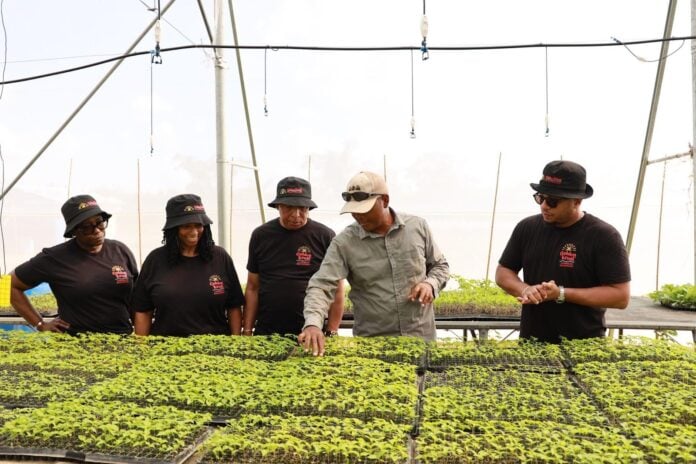
Luke Lee (second right), Director of Clarendon-based Gen Paradise farm, leads the Golden Krust executive team on a tour of his greenhouse that remained upright throughout Hurricane Melissa’s passage. Listening attentively are (L-R) Executive Director of Restaurant Operations - Orlean Lunan-Dowe, Golden Krust CEO - Jacqueline Hawthorne-Robinson, Director of Quality Control, Regulatory Affairs and Research & Development - Christopher Hylton and Vice President of Marketing - Steven Clarke

Golden Krust Caribbean Restaurants has announced a J$3 million agricultural recovery initiative to support small farmers affected by Hurricane Melissa, as the company moves to help accelerate farm rehabilitation and safeguard rural livelihoods.

The initiative, undertaken in partnership with the American Friends of Jamaica (AFJ), is providing direct support to 10 farmers across St. Elizabeth, Clarendon, St. Catherine, St. Mary and Manchester whose operations suffered significant crop losses, flooding and infrastructure damage during the storm. Each farmer received J$300,000 worth of seedlings, equipment and essential farming supplies to assist with replanting and restoring production.

Golden Krust’s leadership team recently travelled to Jamaica to distribute the supplies, assess damage on affected farms and meet with producers who supply key ingredients such as scotch bonnet peppers, escallion and thyme used in the company’s bakery and restaurant products across North America.

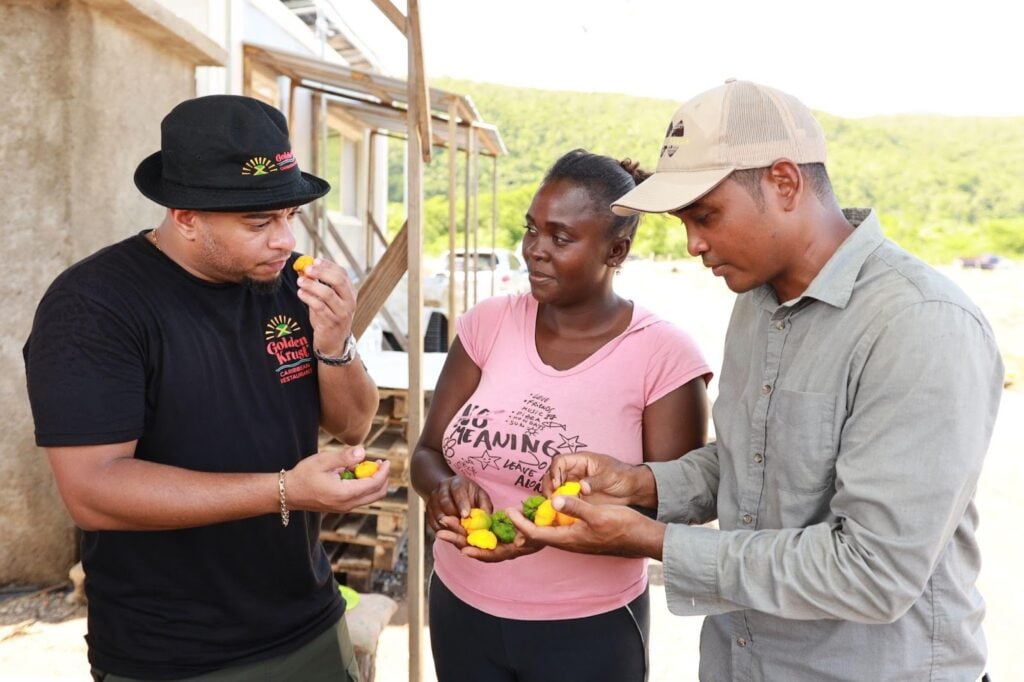
Director of Gen Paradise farm, Luke Lee (left), and scotch bonnet pepper farmer, Govinda Fisher (centre), examine crops salvaged following the passage of Hurricane Melissa alongside Vice President of Marketing at Golden Krust, Steven Clarke

“Hurricane Melissa severely affected families and farmers across Jamaica, and we recognize how difficult it has been for many to restart after such a significant loss,” said Jacqueline Hawthorne-Robinson, chairman and chief executive officer of Golden Krust. “This is just the beginning of an ongoing rehabilitation effort. These farmers are part of our extended Golden Krust family. It was their labour and commitment that helped shape the Jamaican flavours we’re known for. This effort is about helping families rebuild, protecting livelihoods, and strengthening the agricultural communities that are essential to Jamaica’s future.”

Farmers welcomed the support, noting that widespread crop losses and disruptions to production cycles placed heavy financial strain on farming communities. The recovery initiative is expected to help stabilize output and ensure continuity for producers who have supplied Golden Krust for nearly three decades.

Luke Lee, director of Clarendon-based Gen Paradise Company Limited, said Hurricane Melissa caused extensive flooding and structural damage to his farm and greenhouses.

“This land means a whole lot to us, and we’ve invested a lot of time and energy into its growth,” Lee said. “Melissa was devastating for our crops and for the team.”

Lee said the support from Golden Krust was critical to helping his operation recover. “The support from Golden Krust is immeasurable. Them being here in person has really lifted our spirits. We know we have a partner who is not only just talk, but who takes action, and that is where the rubber meets the road,” he said. “Their support with seedlings, fertilizer and supplies makes it possible for us to bounce back more quickly.”

Vice President of Marketing, Steven Clarke (right), and Director of Quality Control, Regulatory Affairs and Research & Development, Christopher Hylton, prepare fertilizers for various farmers in St Elizabeth as part of relief efforts in aid of farmers impacted by the passage of Hurricane Melissa

Steven Clarke, Golden Krust’s vice president of marketing, said the company’s reliance on Jamaican-grown ingredients makes protecting local agriculture essential.

“Every Golden Krust patty carries a piece of Jamaica within it,” Clarke said. “For nearly three decades, our scotch bonnet peppers and thyme have come directly from farms like the ones we visited across the island this week. There’s a special heat and flavour you can only get from Jamaican farms, and protecting that authenticity means standing with the people who grow it.”

The agricultural recovery programme forms part of Golden Krust’s broader Hurricane Melissa relief effort, delivered in partnership with AFJ. In recent weeks, the company has mobilised nationwide fundraising efforts and donation drives across its U.S. restaurant network, while collaborating with partners including the NCB Foundation, Food For The Poor, Global Empowerment Mission, Sanmerna Foundation, the Office of Disaster Preparedness and Emergency Management (ODPEM), JetBlue and Dennis Shipping.

Those efforts have supported the distribution of food supplies, household items and community assistance across the island. Additionally, through a partnership with U.S.-based distribution company Imperial Dade, two shipping containers of medical supplies valued at more than J$300,000 were handed over to the Ministry of Health as part of the initial response.

“Seeing the damage firsthand was difficult, but witnessing the resilience of these farmers reaffirmed why we needed to show up,” said Christopher Hylton, Golden Krust’s director of quality control. “Farmers are essential to Jamaica’s agricultural backbone. This support goes beyond immediate recovery — it’s an investment in the stability of our food systems and in protecting the heritage of the flavours that make Jamaican cuisine unique.”

Golden Krust said its post-hurricane intervention reflects the company’s long-standing commitment to local sourcing and community upliftment, as it seeks to support food security and strengthen Jamaica’s agricultural sector following one of the most disruptive weather events in recent years.

Veteran reggae, dancehall singer Hopeton James dies at 65

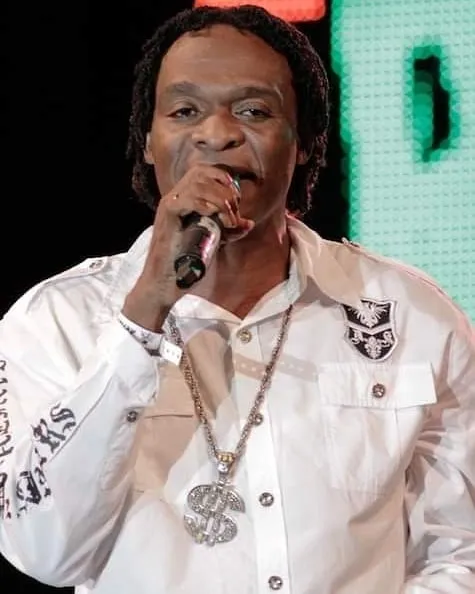
Hopeton James

Veteran reggae and dancehall singer Hopeton James, whose silky falsetto and romantic style earned him a place among Jamaica’s most memorable voices of the 1980s and early 1990s, has died. He passed away in Kingston on December 12 at the age of 65.

His death was confirmed by his widow, Patsy Lafayette-James, who said the artist had suffered four strokes over the past three years. The health challenges effectively brought an end to a recording career that began in the early 1980s and spanned some of the most competitive and creative years in Jamaican popular music.

Born in St. Mary, James came to prominence during the dancehall era’s melodic surge, carving out a niche with a smooth falsetto that set him apart from many of his contemporaries. He recorded several songs for producer Winston Riley at Techniques Records, one of the decade’s hottest hit factories. During that period, Techniques was home to chart-topping artists such as Sanchez, Flourgon, Tenor Saw, Super Cat and Yami Bolo, and James comfortably held his own among that company.

His biggest hit for Riley was In the Mood, a cover of the classic rocksteady song originally done by The Techniques in the 1960s. The song would enjoy an even bigger resurgence in 1991 when James teamed up with Lady G for the hugely popular combination hit Samfie Lover, which became a staple on sound systems and radio playlists both locally and overseas.

James also found international success with a cover of Michael Jackson’s Got to Be There for the UK-based Pickout Records, earning him a minor hit and further expanding his audience beyond Jamaica. Over the years, he worked with a number of leading producers, including Lloyd “King Jammy” James and Mikey Bennett, and was a familiar presence on the Killamanjaro sound system, one of the most influential platforms in dancehall history.

Though he was never among the most prolific hitmakers of his generation, Hopeton James was respected for his vocal ability and for bringing a soulful, lovers-rock sensibility to dancehall at a time when the genre was rapidly evolving. His songs remain fondly remembered by fans of classic dancehall and lovers’ music.

Hopeton James is survived by his widow, Patsy Lafayette-James; his seven children; grandchildren; brothers; sisters; and a wide circle of relatives, friends and admirers. His passing marks the loss of a distinctive voice from an important chapter in Jamaica’s musical story.

Jamaica Strong brings UBS Arena to its feet in powerful benefit concert

Jamaica Strong crowd pic
Patrons in the crowd. Photo credit: Sam Johnston /UBS Arena

The recent Jamaica Strong Benefit Concert, held last Friday at UBS Arena in Queens, New York, delivered a stirring night of unity, memorable performances and musical excellence, as a near-capacity crowd gathered in support of Jamaican and Caribbean music, culture and collective purpose.

From the opening performances by Yaksta and Abby Dallas, it was clear the evening would be special.

Veteran singer Richie Stephens came fully prepared for the moment, opening powerfully with his dancehall classic Trying To Get Close To You, which struck an immediate chord with the audience. He followed with Let’s Drink To the Hard Working People, drawing loud cheers and warm smiles. Elegantly dressed and continuing to earn praise for his sleek physique and well-crafted designer outfits, Stephens took the energy several notches higher when he launched into Sam Cooke’s timeless classic A Change Is Gonna Come. As Derrick Barnett’s Statement Band strummed the opening chords, the arena erupted—lighters flashed, patrons rose to their feet, and the ovation that followed was thunderous.

“It was clinical and powerful, especially knowing the reason we were all there,” shared New York radio host Nicky Reid.

Mikey Spice used his rich baritone to deliver soulful favorites, including I Am I Said, Lift Me Higher and Born Again, while UK-based Maxi Priest warmed hearts with Wild World and House Call. Inner Circle, with Trevor “Skatta” Bonnick on lead vocals, delivered a sweet, polished set. The band—first established in Kingston in the 1970s by brothers Ian and Roger Lewis, alongside Richard Daley, Stephen “Cat Coore” and Ibo Cooper—represented vintage reggae with Tenement Yard. Hits including Sweat, Beres Hammond’s Tempted To Touch and the TV theme Bad Boys closed out their powerful performance.

One of the most emotional moments of the night came from Gramps Morgan, joined by his sons Jemere and Piers Morgan. Together, they delivered moving renditions of Wash The Tears Away, Give A Little More and Down By The River. The set culminated in a deeply personal tribute to Gramps’ late father, reggae icon Denroy Morgan, and brother Peetah Morgan, bringing the audience to its feet in applause and reflection.

Former The Voice winner Tessanne Chin proved she still possesses extraordinary vocal power. From the first note, she reminded the world why she captivated millions, delivering a soul-stirring version of Bob Marley’s Redemption Song alongside her hit Hideaway. Additional standout performances came from Demarco, I-Octane, dancehall quartet TOK, and reggae royalty Marcia Griffiths, the “Queen of Reggae,” who delighted longtime fans when she was joined onstage by Lukie D.

Chronic Law scored with Higher Life, while Tee Jay drew cheers with No Friend Dem and his dance hit Drift. The dancehall artiste who generated the biggest buzz, however, was Aidonia, who mesmerized fans with a string of hits including Yeah Yeah, Ukku and Girl Yuh Want.

Trinidadian soca powerhouse Kes brought infectious energy and commanding stage presence, running through hits such as Hello, Wotless, Cocoa Tea, Stage Gone Bad and Savannah Grass. Many in attendance named Kes among the top performers of the night, crediting him with transforming the arena into a pulsating Caribbean fête.

Headliners Shaggy and Sean Paul reminded the crowd why dancehall has thrived for decades—from the early days of Prince Buster, Big Youth and U-Roy, through icons like Yellowman, Beenie Man and Bounty Killer—while continuing to cross borders and generations.

Shaggy took fans down memory lane with his ’90s New York hit Big Up, followed by Boombastic and his player’s anthem It Wasn’t Me. His No. 1 hit Angel, performed with Rayvon, was a golden moment. Sean Paul ignited the arena with Gimme The Light, Get Busy, Give It Up To Me, Like Glue, Temperature and I’m Still In Love With You.

As the night drew to a powerful close, performers returned to the stage for a moving rendition of the Jamaican National Anthem, joined by Jamaica’s Minister of Culture Olivia “Babsy” Grange, U.S. Congresswoman Yvette Clarke, and VP Records co-founder Miss Pat Chin—an emotional moment underscoring the enduring bridge between Jamaica and the U.S. diaspora.

Audience reaction reflected the magnitude of the night, which was punctuated by consistently strong performances.

“The night was epic,” Jamaican-born socialite Diva Madonna told Caribbean National Weekly. New York businessman Gurvan Whitely added, “The event was well put together on such short notice. Kes, Richie Stephens, Demarco, Gramps and Queen Marcia Griffiths were my favorite performers.”

New York party promoter Michael “Eye Collection” Williams summed it up best: “It was the crème de la crème of Jamaican and Caribbean performers.”

One business entrepreneur and CEO of Dumpling Cove Restaurant, who purchased floor seats but was unable to attend due to an emergency, instead watched the Amazon/TVJ live feed, which amassed more than one million views in under 24 hours.

“After buying tickets for $400, I couldn’t attend because my daughter was sick. Fortunately, I have TVJ and watched the entire show,” he said. “It was great seeing artists from lovers rock, dancehall and soca, with Kes delivering a standout performance. Marcia never disappoints. Richie Stephens’ rendition of A Change Gonna Come was exceptional. Tessanne’s voice is among the world’s greats, reaching heights few singers can. Shaggy and Sean Paul are always reliable crowd-pleasers.”

One of the most poignant segments of the night was an In Memoriam tribute honoring recently departed Jamaican legends whose contributions shaped the nation’s cultural, sporting and artistic legacy. Honorees included global superstar Jimmy Cliff, Cocoa Tea, Pluto Shervington, Owen Gray, George Rhoden, Junior Byles, Leroy Gibbons, Joe Lick Shot, Determine, Jamaica’s Consul General to New York Alsion Wilson, and football great Allan “Skill” Cole.

The Jamaica Strong Benefit Concert was organized and promoted by Jammins Events, Irie Jam Foundation and Roadblock Radio, with support from Shaggy’s Make A Difference Foundation, Sean Paul’s preferred charity Food For The Poor, the Consulate General of Jamaica in New York, and Solid Agency.

PM Holness reassures Jamaicans there is no ban on Christmas parties

Prime Minister, Dr. the Most Hon. Andrew Holness (centre) addresses residents at the Petersfield High School in Westmoreland on Saturday (December 13) during the Prime Minister's Christmas Treat. Photo: RUDRANATH FRASER

Prime Minister Dr. the Most Hon. Andrew Holness has reassured Jamaicans that there is no ban on festive celebrations, dismissing social media rumours claiming citizens are prohibited from hosting parties during the Christmas season.

The clarification comes amid confusion sparked by comments made at a post-Cabinet press briefing last week, where the Government announced the cancellation of official Christmas parties across ministries, departments and agencies (MDAs) as Jamaica recovers from the impact of Category 5 Hurricane Melissa.

At the December 10 briefing at Jamaica House, Minister of Education, Skills, Youth and Information, Senator Dr. Dana Morris Dixon, said the directive applied only to government-hosted events, not to the general public or private sector.

“We have agreed to allow small in-ministry or in-department recognition and morale-building activities,” Morris Dixon said. “So, if you are doing something in the office itself, that is fine, but no rental of external venues is allowed.”

The Minister also urged the private sector to proceed with Christmas events, warning against a slowdown in economic activity, particularly in areas not as heavily impacted by the storm.

“We really do need to make up for what is happening in the west, in terms of the downturn in economic activity,” she said. “So, those of us in areas that haven’t been affected as much, please go out and spend money.”

The Prime Minister warned that the spread of misinformation has the potential to undermine public order and create unnecessary confusion.

“There are those people… who are vested in telling you lies to mislead you,” Dr. Holness said. “For what reason? I don’t know. Maybe they want the country to descend in chaos. They don’t like to see law and order.”

Dr. Holness was speaking with residents at the hurricane shelter at Petersfield High School in Westmoreland during the Prime Minister’s Christmas Treat on Saturday, December 13.

While encouraging entertainment and festive activities, the Prime Minister emphasized that events must be properly organised and comply with public safety requirements. He noted that the police are prepared to issue permits once promoters make the necessary arrangements.

“The police have said that they will give permits for parties so long as the promoters make the proper arrangements,” he said.

Dr. Holness outlined practical considerations organisers must address, particularly in communities still affected by infrastructural challenges following recent storms.

“Some places don’t have light, so if you’re going to keep a party, you have to put up light. You have to get one generator, people have to have water [to] use bathroom facilities,” he explained.

He also stressed the importance of security at entertainment events, noting that some venues can be targeted by criminals.

“You have to prepare for the safety of the patrons. So, you need to arrange for security,” the Prime Minister said.

“The government wants communities to return to normal, and therefore, go back to your business. Having parties and dances are part of the business to return the community to business,” he added.

Dr. Holness also cautioned Jamaicans to be careful about the information they consume, especially on social media.

“Information is like food. If you consume bad food, it will make your body unhealthy. If you consume bad information, it will make your mind unhealthy,” he said, warning that false claims can lead to poor decision-making.

Jamaica to shift Hurricane Melissa relief to voucher system by new year

Hurricane Melissa
Residents of Black River, St. Elizabeth, who were severely affected by Hurricane Melissa, waiting in line to receive care packages and other essential relief items on Saturday (November 1). Residents in Black River Receive Care Packages Photo: Yhomo Hutchinson Residents of Black River, St. Elizabeth, with care packages containing food and other relief supplies during a distribution of relief supplies in the town on Saturday (November 1). Residents in Black River Receive Care Packages Photo: Yhomo Hutchinson The St. Elizabeth Parish Court in Black River was severely damaged by Category 5 Hurricane Melissa.

The Jamaican Government is preparing to transition its post–Hurricane Melissa relief program from direct food distribution to a voucher-based system by early 2026, aimed at giving affected residents greater purchasing power and flexibility.

Permanent Secretary in the Office of the Prime Minister (OPM), Ambassador Dr. Rocky Meade, disclosed the plan during Wednesday’s (December 10) sitting of Parliament’s Public Administration and Appropriations Committee.

Dr. Meade explained that in the immediate aftermath of Hurricane Melissa, the Government relied on emergency procedures to deliver rapid assistance, with a strong focus on food distribution. As recovery progresses, however, officials believe it is time to adjust the approach.

“Now that we have done that quite a bit… we’re hoping… to have a change in how we assist the country,” Dr. Meade said. “We want to give more purchasing power to those who are in need so that, as the businesses come back up, they can actually get the things they want and not just a package that we assume that might be, [where] they may have too much of one thing and not something else.”

He said the Ministry of Labour and Social Security (MLSS) is leading work on the new system, which he loosely described as a voucher model, though it may not involve traditional paper vouchers.

“It’s really putting purchasing power in the hands of citizens,” he said. “We have had some meetings on how that could work, and the details of that are also being worked out.”

According to Dr. Meade, the MLSS will also provide guidance on identifying priority needs and determining beneficiary eligibility under the new arrangement. The goal, he said, is to pivot to this method of delivering relief by the start of the new year.

He noted that officials recently presented the proposed system to Prime Minister Dr. the Most Hon. Andrew Holness, who requested a few adjustments before final approval.

“I can assure you there has been progress, and they (the Ministry) have a product,” Dr. Meade said. “But for some tweaks, [it] will be ready [for] rollout in January. I am reasonably confident that by the New Year, we’ll be able to roll something out.”

Holness had previously expressed concern about images of people rushing for care packages and called on both relief groups and residents to maintain self-respect throughout the recovery process. The new system, he explained, will allow individuals to choose what they need. “Giving persons coupons or cards [will enable them to] buy the stuff that they need.”

The proposed shift is intended to support both hurricane-affected households and local businesses as economic activity gradually resumes following the storm.

Thomson Fontaine narrowly re-elected leader of Dominica’s main opposition party

Dominica’s opposition United Workers Party (UWP), Dr. Thomson Fontaine

Economist Dr. Thomson Fontaine has been narrowly re-elected leader of Dominica’s main opposition United Workers Party (UWP), warning supporters that internal divisions could prevent the party from returning to government.

Fontaine secured 83 votes at the party’s leadership election on Sunday, edging newcomer Pastor Randy Rodney, who polled 75 votes. Rodney, pastor of the Truth and Grace Fellowship Global Church, said his decision to contest the leadership was driven by a sense of responsibility.

“It is one taken out of a burden, a burden to see justice strengthen, opportunities expanded and unity restored,” Rodney said. He later declined nomination for the post of deputy leader.

In his victory address, Fontaine — a former employee of the International Monetary Fund (IMF) — called for an end to infighting within the party, including criticism directed at his leadership.

“We are all in this together. Let us combine our efforts. Stop seeing faults, or the many faults in your leader, and let us stand together,” Fontaine told supporters.
“It is not acceptable that you sit on the sidelines, hoping that I fail as a leader. That’s not acceptable. If one of us fails, all of us fail… We are in this together to win the next general election.”

Fontaine emphasized that the stakes were too high for division, urging members to support new strategies he is implementing to rebuild the party.

“There is too heavy a price to pay if we fail. We are talking about the future of this country,” he said, adding that while some of his approaches may differ from past practices, patience is needed.

“So I am doing some things differently… In 2025, we are not in 1998… Just be patient, give it a chance.”

He also claimed the party is gaining traction nationwide.

“Persons who previously dismissed our party are willing to give us a second chance,” Fontaine said. “They are drawn to our message of shared prosperity and how a United Workers Party government under my leadership will transform this country.”

The UWP last held office between 1995 and 2000 under Edison James. It was defeated by the Dominica Labour Party (DLP), initially led by Rosie Douglas until his death in October 2000, and later by Pierre Charles, who served until his death in January 2004. The DLP has since been led by Prime Minister Roosevelt Skerrit, who has been in office since 2004.

Ahead of Sunday’s election, former UWP president and opposition leader Lennox Linton defended the party’s annual leadership elections, describing them as a key pillar of internal democracy. Linton issued a statement following remarks by Fontaine, who had previously criticized the constitutionally mandated elections as a “wash-your-foot-and-come” process.

Fontaine reiterated his concerns, arguing that frequent leadership challenges could undermine stability.

“Anybody come off the streets, wash their feet and challenge me for the leader,” he said, questioning whether such a system benefits the party.

In response, Linton said the matter had been discussed by the UWP’s National Executive Committee and that Fontaine had agreed to the release of Linton’s statement, indicating that the issue should ultimately be left to the public to judge.

Sunday’s closely contested result highlights ongoing tensions within the opposition party as it seeks to position itself as a viable alternative government ahead of the next general election due in 2027.

RJRGLEANER CEO Anthony Smith dies after brief illness

RJRGLEANER CEO Anthony Smith

Chief Executive Officer of the RJRGLEANER Communications Group, Anthony Smith, has died.

The company announced Sunday that Smith passed away earlier that morning following a brief period of illness.

Smith was appointed CEO in January 2024, after joining the RJRGLEANER Communications Group in October 2022 as Deputy Chief Executive Officer for Print and Digital Media.

“Our thoughts and prayers are with Anthony’s immediate and extended family at this time,” the company said in a statement on Sunday.

Tributes have since poured in from across Jamaica’s media and public sectors.

Minister of Culture, Gender, Entertainment and Sport Olivia Grange said she was “deeply saddened” by Smith’s sudden passing, describing him as one of the country’s outstanding media leaders.

“With Smith’s death we have lost yet another of the outstanding leaders of our media fraternity,” Grange said in a statement issued Monday. She extended condolences to Smith’s family, friends, associates, and the RJRGLEANER Communications Group.

The Media Association of Jamaica (MAJ), which represents media owners, also paid tribute, acknowledging his passing with “profound regret.”

The Caribbean Broadcasting Union (CBU) likewise expressed condolences.
“I extend sincere condolences to the board, management, staff and wider RJRGLEANER Communications Group family on the passing of Chief Executive Officer, Anthony Smith,” said CBU President Andrew Greene. “We also express our deepest sympathy to his loved ones. We join you in mourning this sad loss.”

An engineer by training, Smith previously held several senior executive roles in the telecommunications sector in Jamaica and across the wider Caribbean. His career included leadership positions at Cable & Wireless and Massy Technologies Limited, before transitioning into media management.

Smith’s death marks a significant loss for Jamaica’s media industry, where he was widely regarded for his leadership in print, digital transformation, and corporate strategy.

Carnival, Miami HEAT back major medical relief effort for Jamaica after Hurricane Melissa

Former NBA Miami Heat Center Alonzo Mourning and Carnival Horizon Captain Niccolo De Ranieri supervise the loading of medical aid onto the Carnival Cruise ship departing for Jamaica on Dec. 14, 2025. (Brea Burkholz/Direct Relief)

As Jamaica continues its recovery from Hurricane Melissa, a major private-sector humanitarian response led by Carnival Corporation and the Miami HEAT has delivered large-scale emergency medical aid to the island, supporting hospitals and clinics strained by the storm’s aftermath.

The weekend deployment was carried out through a partnership with Direct Relief and the Micky & Madeleine Arison Family Foundation, which together contributed US$1 million toward Hurricane Melissa response efforts. The coordinated operation shipped 144 pallets — 68 tons — of essential medicines and medical supplies to Jamaica by air and sea, marking one of the largest private humanitarian relief efforts supporting the country’s post-storm recovery.

Medical aid arrives in Jamaica via charter flight on Dec. 14, 2025. (Luis David Rodriguez/Direct Relief)

On Saturday, December 13, Direct Relief conducted a dedicated airlift from Miami International Airport to Kingston, transporting urgently needed medical supplies requested by Jamaican health authorities to help replenish depleted inventories at hospitals and clinics serving storm-affected communities. The response continued on Sunday, December 14, when additional medical aid departed Miami aboard the Carnival Horizon, which is scheduled to arrive in Ocho Rios on December 18. Miami HEAT legend Alonzo Mourning joined the effort, assisting with the loading of pallets bound for Jamaica.

“After a disaster of this magnitude, people need to know that care will be there when they need it,” said Amy Weaver, CEO of Direct Relief. “Because of the longstanding partnership and commitment of Carnival Corporation, the Miami HEAT, and the Micky & Madeleine Arison Family Foundation, we’re able to get essential medical support to communities across Jamaica as they continue to recover.”

Christine Duffy, president of Carnival Cruise Line, said the effort reflects the strength of collaborative action. “Carnival is proud to work alongside Direct Relief and the Miami HEAT to deliver these essential supplies to Jamaica,” she said.

Miami HEAT President of Business Operations Eric Woolworth described the storm’s impact as long-lasting. “The devastation of Hurricane Melissa was incredible and will be felt in Jamaica for years to come,” he said. “Along with Direct Relief and Carnival, it’s our hope that the supplies we send will help start the road to recovery.”

The shipments included a wide range of essential medicines and medical supplies, supporting chronic disease treatment, emergency care, and routine clinical services—critical resources as healthcare providers continue operating amid infrastructure damage and ongoing supply disruptions caused by the hurricane.

Direct Relief has maintained a long-standing partnership with Jamaica since 1988 and has provided more than US$76 million in medicines and medical supplies to the country since 2008. The organization continues to work closely with the Ministry of Health and Wellness and local healthcare partners to ensure aid reaches facilities with the most urgent needs.

This latest deployment builds on Direct Relief’s sustained Hurricane Melissa response and underscores a continued commitment—alongside Carnival and the Miami HEAT—to supporting Jamaica’s healthcare system through both immediate recovery and longer-term resilience.

South Florida, home to one of the largest Jamaican diaspora communities in the United States, has also been a hub of grassroots relief since Hurricane Melissa made landfall on October 28. In the immediate aftermath of the storm, organizations such as South Florida Caribbean Strong, Global Empowerment Mission (GEM), The Miami Foundation, and faith-based groups rallied volunteers, hosted donation drives, and coordinated supply shipments from Doral and beyond, underscoring the region’s enduring ties to Jamaica and its commitment to supporting recovery efforts back home.

New leadership platform WHISTLE aims to coordinate Caribbean diaspora power

Caribbean diaspora
WHISTLE founders Stacey Luces (second left) and Denise Williams (second right) pose with keynote speaker Keith Levy (left) and The Bynx Charity’s John Reid, who donated US $2,000 to the event's Hurricane relief drive.

More than 60 senior leaders from across the Caribbean diaspora and the United States gathered on December 9 for an exclusive preview of WHISTLE, a new leadership platform aimed at unifying Caribbean-rooted influence around shared purpose, economic power, and long-term legacy.

Several attendees traveled specifically for the event, organizers said, underscoring the growing urgency among a diaspora estimated at more than 10 million people and responsible for roughly US$170 billion in annual economic activity.

Founded by Trinidadian-born Denise Williams and Stacey Luces, WHISTLE is positioned as the first coordinated platform designed to align Caribbean leadership across sectors, including finance, public systems, philanthropy, and multi-country operations.

“For the first time, leaders across the diaspora showed up not just to connect, but to build with purpose,” said Luces, WHISTLE’s chief purpose officer. “WHISTLE exists because we are done rising alone.”

The keynote address was delivered by Jamaican-born financial executive Keith Levy, chairman of JN Bank and managing partner of Visionario Venture Capital. Levy emphasized the importance of trust and collective action, drawing on his experience in international trading and structured finance.

“Capital flies as fast as trust,” Levy said. “Let’s build a future where we trust each other and move with courage.” He noted that while Caribbean professionals often excel individually on the global stage, they have historically struggled to mobilize collectively.

During the event, Williams and Luces also unveiled WHISTLE’s legacy initiatives, including We WHISTLE With Love, the platform’s philanthropic arm, and WHISTLE Next Gen, focused on developing the next generation of Caribbean-rooted leaders. Through these initiatives, WHISTLE mobilized targeted support for families in Jamaica affected by Hurricane Melissa, prompting several private contributions during the gathering.

“Our leaders are ready for a platform that aligns influence, grows wealth, and drives collective impact,” said Williams, WHISTLE’s chief impact officer.

One highlight of the evening included a US$2,000 donation presented by John Reid, a Canadian-born former CEO of Cable & Wireless, on behalf of his family charity, Bynx. The contribution, along with additional member pledges, will support Breaking Healthcare Barriers (BHB), an organization providing medical care, pharmaceuticals, and volunteer support to Jamaican communities in need. Levy currently serves as a board member of the organization.

Attendees described the gathering as a rare alignment of influence, purpose, and shared intention, noting that leaders at this level had not previously convened around a unified mandate to build a coordinated institution for the Caribbean diaspora.

The preview event marked a milestone in WHISTLE’s global pre-launch phase. Throughout 2025, the platform plans to activate its membership model, expand its leadership framework, and deepen strategic partnerships ahead of a full global launch scheduled for January 2026.

WHISTLE aims to position itself as a central institution through which Caribbean-rooted leaders and strategic partners can align influence, expand economic outcomes, and drive long-term impact across the diaspora and the wider region.

Antigua signs new visa agreements with African and Middle Eastern countries

chet greene antigua

Antigua and Barbuda has expanded its international travel access after signing a series of new visa agreements with countries in Africa and the Middle East, the government has announced.

Foreign Affairs Minister E.P. Chet Greene disclosed during the 2026 Budget Debate that Antigua and Barbuda has concluded visa arrangements with the United Arab Emirates, Ghana, Kenya, Rwanda and Benin. He said the agreements form part of a deliberate effort to improve global mobility for Antiguans and Barbudans while strengthening diplomatic and economic ties.

According to Greene, the new visa arrangements are aimed at making it easier for citizens to travel abroad and fostering deeper engagement with key international partners. While the minister did not provide specific details on the terms of each agreement, he emphasized that they are intended to deliver tangible benefits rather than symbolic diplomatic gestures.

“These are practical outcomes of foreign policy,” Greene told Parliament, framing the agreements as tools to support trade, investment and people-to-people connections.

Greene also referenced Japan as part of Antigua and Barbuda’s broader diplomatic outreach, noting that existing arrangements with Tokyo remain in place, even though no new visa agreement with Japan was announced during the budget debate. He said the government continues to strengthen long-standing relations with the Asian nation.

The visa agreements were outlined against the backdrop of wider changes to Antigua and Barbuda’s foreign service, which Greene detailed during his budget presentation. These include new diplomatic appointments, adjustments to overseas missions and efforts to expand the country’s international presence.

Government officials have increasingly highlighted visa access as a key measure of diplomatic reach, particularly for small island states where international mobility can directly influence trade opportunities, education access and tourism development.

Greene said the latest agreements reflect the government’s view that foreign policy should produce everyday benefits for citizens, rather than remain confined to diplomatic statements.

He did not indicate whether additional visa agreements are expected in the near term but suggested that the government would continue pursuing similar arrangements as part of its broader international strategy.

CARICOM IMPACS and partners intercept more than 772 kg of cocaine in Virgin Islands waters

CARICOM IMPACS
The 772 kilograms of cocaine seized in the joint operation.

The Caribbean Community (CARICOM) Implementation Agency for Crime and Security (IMPACS) played a central role in a major joint anti-narcotics operation in Virgin Islands waters last week that led to the seizure of more than 772 kilograms of cocaine and the arrest of six people.

The multi-agency operation took place between December 8 and 9 and involved the Royal Virgin Islands Police Force (RVIPF), His Majesty’s Customs, and external law enforcement partners, including the United States Customs and Border Protection (USCBP).

Authorities said the interception followed intelligence reports of suspicious maritime activity within Virgin Islands waters. CARICOM IMPACS facilitated the real-time exchange of critical intelligence that enabled a targeted response, resulting in the interception of a vessel, the recovery of the drugs, and the apprehension of the suspects.

Lt. Col. Michael Jones, executive director of CARICOM IMPACS, said the operation highlights the importance of coordinated regional and international action.

“This operation is a profound testament to the power of regional and international cooperation in securing our shared maritime space,” Jones said. “The continuous flow of real-time intelligence and the seamless coordination among all partners … demonstrate an unwavering commitment to dismantling the criminal networks that threaten the security and well-being of the Caribbean.”

The six individuals arrested have been charged with offenses including importation of a controlled drug and four counts of possession of a controlled drug with intent to supply. They remain in custody pending their appearance before the Magistrate’s Court.

Interim Acting Commissioner of Police Richard Ullger praised the professionalism and swift action of the participating agencies, noting the risks involved in such operations.

“This seizure is a clear demonstration of what can be achieved when law enforcement agencies work together with precision, intelligence and determination,” Ullger said. “The removal of more than 772 kilograms of cocaine from circulation represents a major blow to organised crime.”

CARICOM IMPACS said the operation underscores the value of regional security mechanisms in strengthening stability across the Caribbean.

The agency was established in July 2006 by the 27th Meeting of the Conference of Heads of Government of CARICOM, held in Bird Rock, St. Kitts and Nevis. It serves as the implementation arm of the region’s crime and security framework, with responsibility for research, analysis, monitoring and evaluation, and the development and execution of regional crime and security initiatives.

Former US Virgin Islands Budget Director convicted in federal bribery and corruption case

sentenced

A United States federal jury has convicted former Director of the U.S. Virgin Islands Office of Management and Budget, Jenifer O’Neal, on all counts in a high-profile bribery and corruption case following a landmark trial in St. Thomas.

O’Neal was found guilty alongside former Police Commissioner Ray Martinez after jurors returned unanimous verdicts last week.

Prosecutors said O’Neal, a native of Virgin Gorda in the British Virgin Islands, knowingly participated in a bribery, honest services wire fraud, and money laundering conspiracy linked to government contracts funded by federal relief money.

The case centred on dealings with cooperating witness David Whitaker, whose business relationships with senior government officials formed the backbone of the government’s case.

According to prosecutors, O’Neal approved and advanced inflated invoices tied to government contracts while receiving personal benefits in return. The jury heard evidence that an invoice valued at US$216,000 was inflated by approximately US$70,000.

Prosecutors argued that O’Neal knew the invoice was fraudulent. When informed that the additional funds were needed for Martinez’s restaurant, O’Neal allegedly responded “lol” before instructing a subordinate to move the invoice forward.

The court also heard evidence related to a lease payment for a coffee shop owned by O’Neal. Prosecutors said she expressed concerns about traceability and did not want the payment directly linked to her.

A subsequent wire transfer showed the lease payment was made by Whitaker, using funds prosecutors said originated from the inflated invoice.

“Nothing about Jenifer O’Neal’s actions was accidental,” Assistant U.S. Attorney Cherrisse Amaro told the court.

O’Neal faced charges including honest services wire fraud, bribery concerning programmes receiving federal funds, and money laundering conspiracy. She was convicted on every count.

Her defence team argued that the government’s case relied too heavily on Whitaker, challenging his credibility and denying that O’Neal knowingly joined any conspiracy. Her attorney described Whitaker as operating by “lie, steal, repeat,” and maintained that O’Neal’s actions were lawful and misunderstood.

In rebuttal, prosecutors said the case was supported by more than witness testimony, pointing to text messages, recordings, and wire transfers introduced as evidence.

“The government does not pick the criminal co-conspirators,” trial attorney Alexandre Dempsey said. “The criminals pick each other.”

Sentencing for O’Neal has been tentatively scheduled for June 2026. She has been allowed to remain out of custody pending sentencing, with the final penalty to be determined.

Haiti’s Gang Suppression Force nears 5,500-troop target after international pledges

Haiti’s Gang Suppression Force

The United States and Canada have welcomed new international commitments toward Haiti’s Gang Suppression Force (GSF), following a force generation conference held December 9 in New York that brought together partner countries seeking to stabilize the violence-plagued nation.

In a joint statement released December 12 by the two governments on behalf of the Standing Group of Partners, Washington and Ottawa said the participation and pledges made at the conference reflect a shared determination to help Haitians confront ongoing security challenges threatening both national and regional stability.

The conference focused on coordinating personnel, resources, and technical support for the GSF, which is intended to succeed the Multinational Security Support Mission. According to the statement, 18 entities pledged contributions, underscoring what the governments described as a “burden-sharing approach” designed to ensure the force has the training, tools, and compliance mechanisms required to meet its mandate.

“Haiti’s transitional government is taking significant measures to re-establish a democratic process,” the statement said, citing the adoption of an electoral decree that would allow Haitians to choose their leaders for the first time in nearly a decade.

Separately, officials and sources familiar with the discussions said the GSF appears poised to meet its target of deploying 5,500 personnel, following strong commitments—particularly from African and South Asian nations.

Chad offered to deploy 1,500 soldiers, according to two sources familiar with the talks who were not authorized to speak publicly. Additional commitments came from Sierra Leone, Burkina Faso, and The Gambia in West Africa, as well as Burundi in East-Central Africa.

Kenya, which currently has about 700 police officers deployed in Haiti, was also represented at the conference. South Asian nations Bangladesh and Sri Lanka stepped forward as well. Sri Lanka offered to send a combat unit, while Bangladesh said its pledge of 1,500 personnel would include support for securing Haiti’s land and sea borders. Both countries previously contributed troops to the United Nations Stabilization Mission in Haiti between 2004 and 2017.

In a press statement issued Wednesday, the office of Haiti’s Prime Minister, Alix Didier Fils-Aimé, said the conference united partner countries around a shared objective: delivering a “decisive, robust response” to gang violence threatening Haiti’s sovereignty and future.

“Participants unanimously reaffirmed that the mission remains essential to restore the legitimate authority of the State, secure the territory and create the necessary conditions for a sustainable return to constitutional order,” the statement said.

The Prime Minister’s office added that the international engagement—coordinated by the United States and Canada—reflects global recognition of “the urgency and existential nature of the Haitian security crisis” and confidence in the government’s security roadmap.

The US and Canada also thanked countries that contributed personnel to the previous Multinational Security Support Mission, reaffirming their commitment to work alongside Haiti and international partners to protect civilians, improve security conditions, and support a safer and more prosperous future for the country.