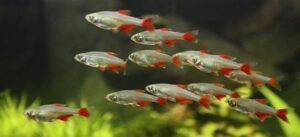
Six hundred and fifty-nine fish species were found and documented during research efforts conducted in Guyana by foreign and local biologists, and it is believed this information can be used to inform governmental decisions about areas where fishes need to be protected.
The findings come after Donald Taphorn, a retired biologist from the United States, accompanied by a team of other researchers including Elford Liverpool, the head of the Department of Biology at the University of Guyana compiled, researched, and documented the list of fish species explored thus far.
Taphorn, in an interview with the Guyana News Room, explained that when he was an undergraduate, his research began, but this was to study the impact of the ornamental fish industry in South America.

“Basically, we found that there was very heavy mortality in the handling of the fishes but that impacts were localized…so that’s how I ended up going to Guyana the first time. We also made collections of the fishes in the places that we visited and I guess that’s when I started trying to identify them,” he said.
Since then, Taphorn, Liverpool, and numerous other researchers and biologists combined their knowledge of fish to identify the over 600 species. But this is not all. The researchers suspect that there are over 200 species yet to be compiled as certain areas are not yet explored.
He said although the research has taken years to compile, and samples were taken from several parts of Guyana, there is much more that can be done in this regard.

The next phase will include creating maps to identify areas where one specie is highly populated and another will be for the areas where the specie risks extension to be protected.
“To the average citizen whose only concern is what fish he wants to eat for supper, it probably isn’t that big of a deal, but for scientists, it’s important to inform governmental decisions about where the biodiversity hot spots are in Guyana and which areas need to be protected,” the researcher said.
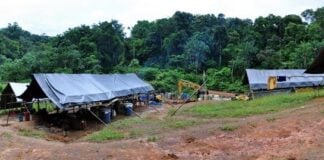
This research can greatly support the country’s biodiversity preservation plans. Human activities, especially mining, are altering river physio chemistry and geomorphology in Guyana. This is resulting in significant shifts in fish community structure, the research states.

CMC/